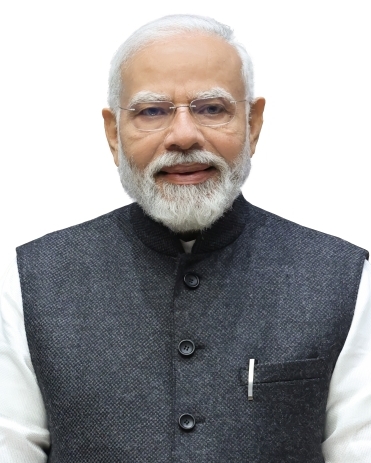
Modi vows ‘stringent punishment’ over exam fraud as protests grow
Indian Prime Minister Narendra Modi pledged Thursday to deliver what he called “stringent punishment” to those responsible for a sweeping exam paper leak scandal, as youth-led protests demanding accountability continued to rattle his government just weeks into his historic third term.
A scandal that won’t go away
The crisis centres on the alleged leaking of question papers for the NEET-UG medical entrance exam, which over 2.3 million students sat in May. Allegations of widespread cheating and paper trading networks have since engulfed the National Testing Agency, the government body responsible for administering some of India’s most high-stakes exams. The CBI has so far arrested at least 25 people in connection with the case. But for millions of students who spent years preparing, arrests feel like cold comfort.
The Cockroach Janta Party takes to the streets
The protests have taken on a life of their own, driven largely by a loose, social media-fuelled coalition calling itself the Cockroach Janta Party — a name deliberately chosen to mock India’s political class and signal that, like cockroaches, the movement won’t be easily crushed. On Wednesday, thousands of demonstrators converged on Jantar Mantar in New Delhi, waving placards and chanting slogans against the government. Police used batons and water cannons to disperse crowds, and at least 40 protesters were detained, according to local reports.
Videos of the clashes spread rapidly on X and Instagram, drawing fresh waves of outrage online and pulling even more people into the streets.
Modi speaks, but students aren’t convinced
Speaking during a parliamentary address, Modi acknowledged the public fury. “Those who have played with the future of our youth will not be spared,” he said, calling for a swift investigation and promising systemic reform of the examination process. A senior government official later told reporters that a high-level committee would be formed within two weeks to recommend changes to how national entrance exams are managed and monitored.
Still, the response has done little to quiet the anger.
Many protesters say they’ve heard promises before. “He’s talking about punishment, but students have been saying this for years and nothing changes,” said one 21-year-old demonstrator who gave her name only as Priya and had travelled from Patna to join Wednesday’s march in Delhi. “We don’t want speeches. We want the exam cancelled and re-held.”
A defining test for Modi’s third term
The protests represent arguably the most significant domestic challenge Modi has faced since his BJP-led coalition returned to power following June’s general election — an election, it should be noted, in which his party lost its outright majority and now governs through coalition partners. Youth unemployment and competitive pressure on India’s limited professional opportunities have been simmering tensions for years. This scandal simply lit the match.
Whether Modi’s promise of accountability translates into meaningful action — or gets swallowed by bureaucratic inertia — will likely determine how much further this movement grows. The next major rally is already being organised for next week.