Reviving communities in Gaza, one temporary home at a time
Reviving communities in Gaza is happening slowly, painfully, and one family at a time. For Mayyada, 24, seven months pregnant with twins and already caring for a two-year-old daughter, the arrival of a temporary home felt like something close to a miracle.
A family finally has walls to call their own
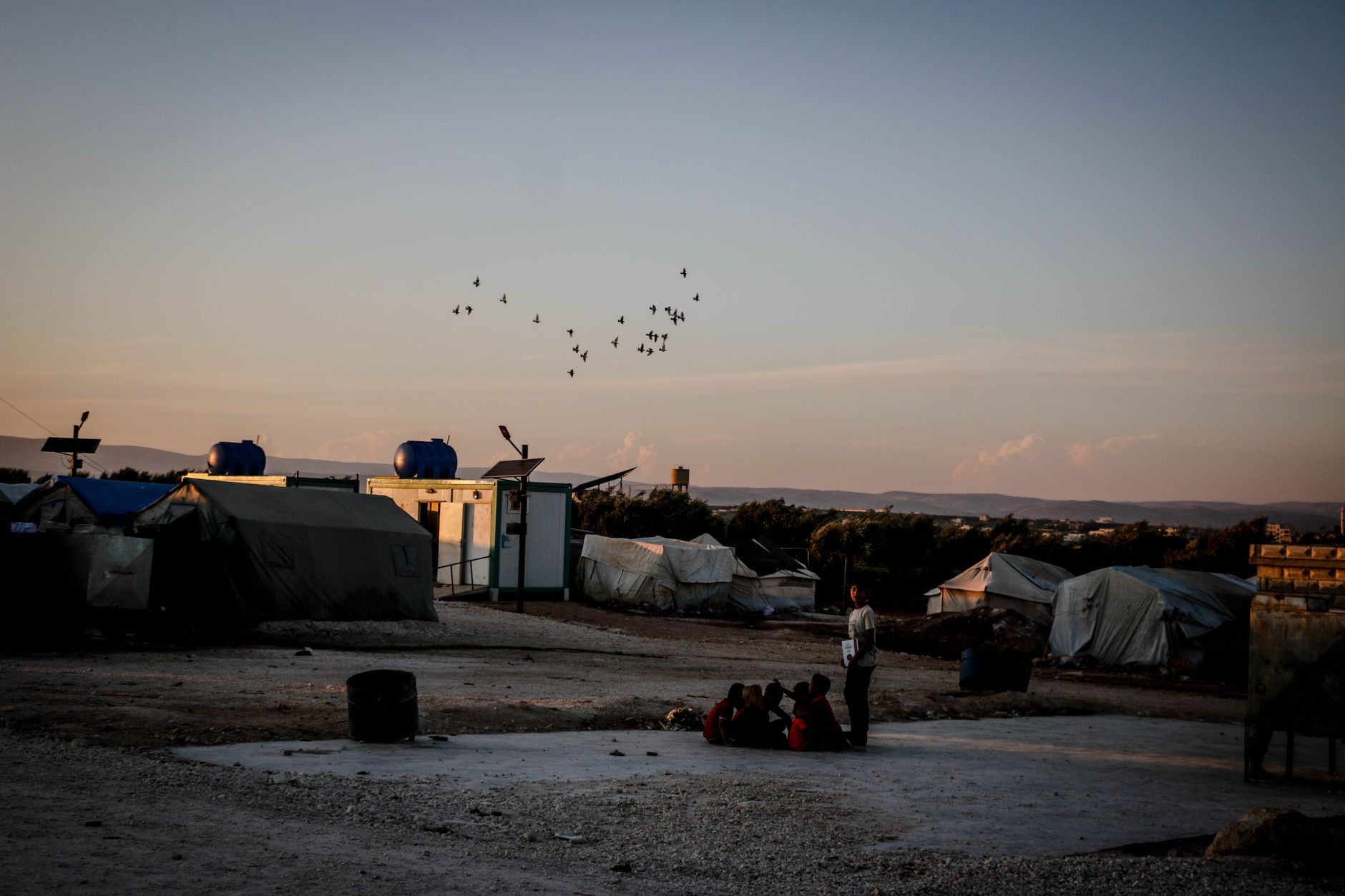
Before the move, Mayyada and her family had been shifting between relatives’ floors, makeshift shelters, and crowded displacement sites since the war tore through their neighborhood. She hadn’t had a kitchen of her own in months. Her daughter, Lana, had been sleeping in borrowed spaces since before her second birthday.
Now they have a prefabricated unit — roughly 40 square meters — with a small bedroom, a functional bathroom, and a door that locks. It’s not much. But it’s theirs.
Still, the emotional weight of the transition is hard to put into words. “When a family has a place to return to each evening, the psychological recovery can begin,” said a humanitarian coordinator working on shelter distribution in southern Gaza. “Without that foundation, nothing else sticks.”
Displacement numbers tell a brutal story
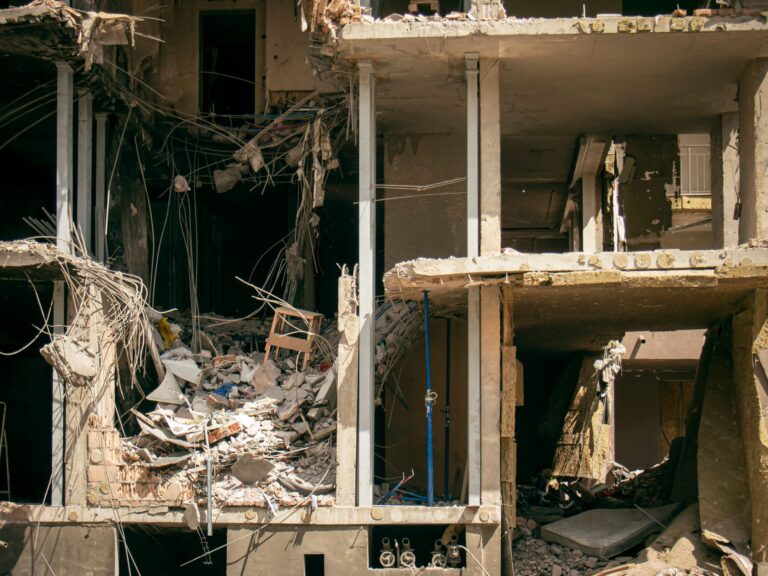
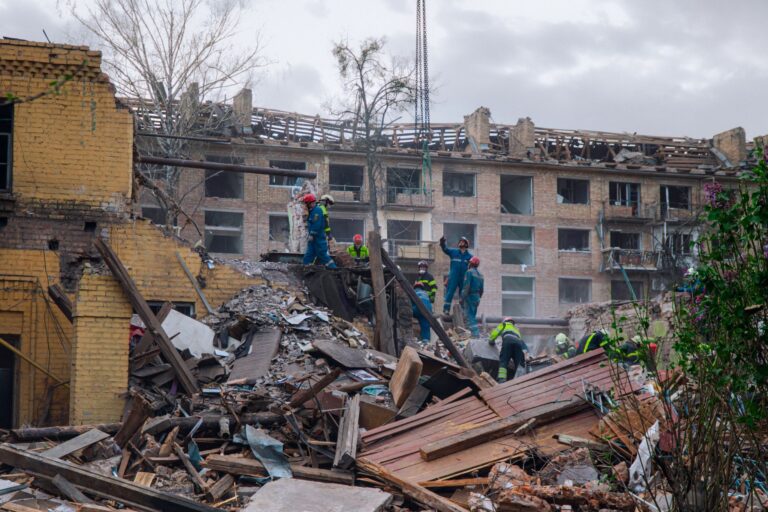
More than 1.9 million people — nearly the entire population of Gaza — have been displaced at some point since October 2023. Entire neighborhoods have been reduced to rubble. Streets that once held bakeries, schools, and corner pharmacies now exist mostly in photographs and memory.
For pregnant women like Mayyada, the conditions have been particularly dangerous. Access to prenatal care collapsed in many areas. Carrying twins while moving between overcrowded sites, with limited clean water and unpredictable food access, put her pregnancy at serious risk.
She’s now within reach of a clinic that’s partially operational. That proximity alone could change the outcome of her delivery.
Shelter programs scaling up amid enormous need
Several international organizations have been racing to distribute prefabricated housing units across Gaza, though the scale of need far outpaces current supply. Tens of thousands of units are required. So far, deliveries are measured in the hundreds to low thousands, depending on the area and the week.
Logistics remain brutal. Damaged roads, ongoing security concerns, and import restrictions have all slowed the pipeline. Materials that should take days to move sometimes sit for weeks.
And yet families keep arriving at distribution points. Some have walked significant distances. Some carry everything they own in two bags.
What comes next for Mayyada and families like hers
Mayyada is expected to give birth within eight weeks. She’s hoping both babies arrive healthy. She’s also hoping, quietly, that by the time they’re old enough to ask questions, there will be something left of Gaza worth explaining to them.
The road to rebuilding communities here won’t be fast or clean or linear. But for one young mother in a 40-square-meter unit with a door that locks, it has, at least, quietly begun.