South Sudan crisis forces massive displacement as global hunger worsens
Hundreds of thousands have fled their homes in South Sudan’s Jonglei State as months of relentless fighting create what UN officials are calling one of the worst displacement emergencies in recent years. The crisis adds another layer to already mounting global challenges, including surging food production demands and deepening hunger across conflict zones.
Jonglei State Descends Into Chaos
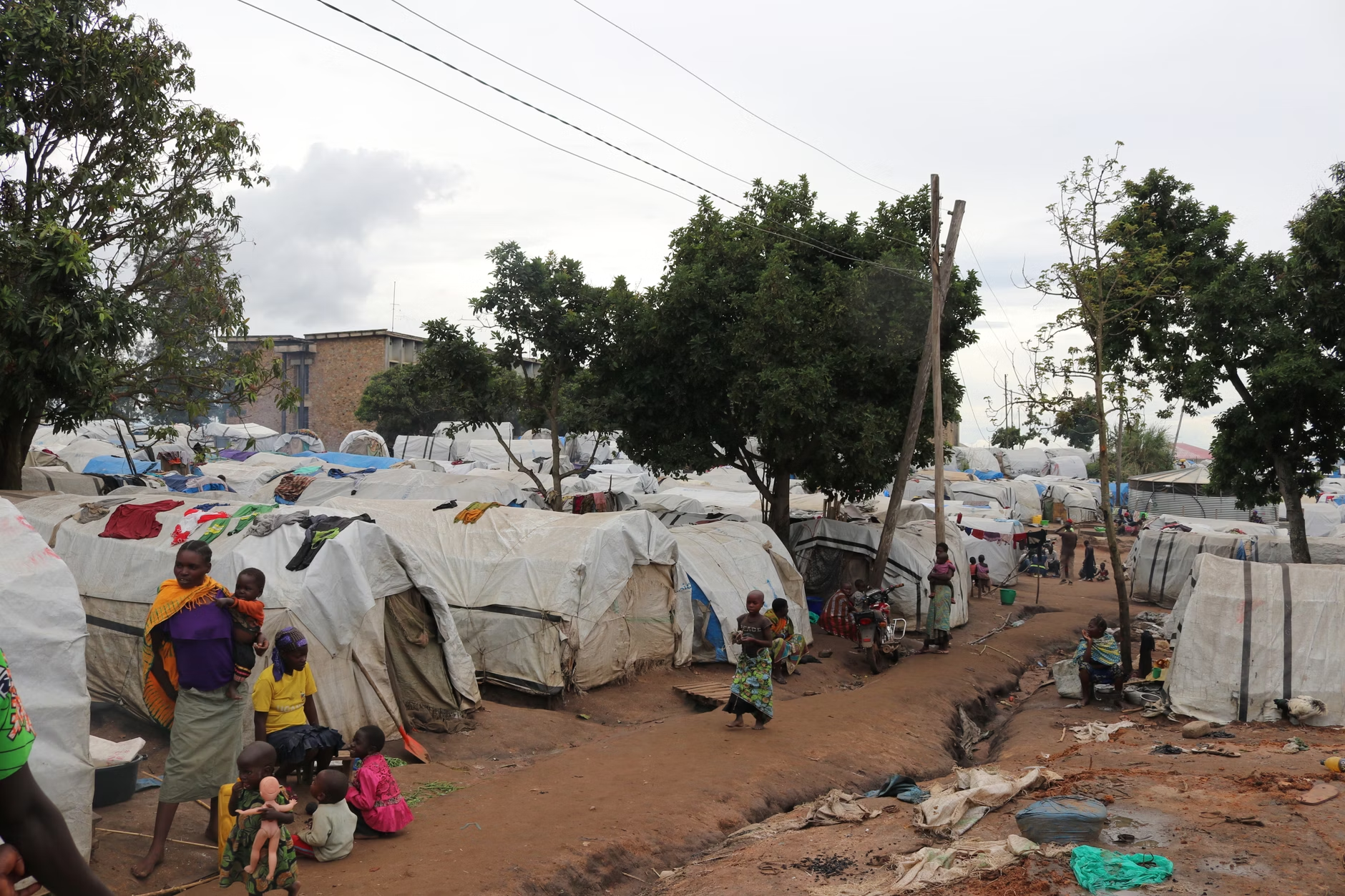
The UN refugee agency confirmed Friday that ongoing violence in eastern South Sudan has triggered a massive humanitarian emergency. Families have abandoned entire villages, carrying whatever they could as armed groups clash across the region. UNHCR officials say the scale of displacement hasn’t been seen in years.
It’s a familiar pattern for South Sudan, where civil war and ethnic violence have plagued the world’s youngest nation since its 2011 independence. But this latest surge caught many off guard.
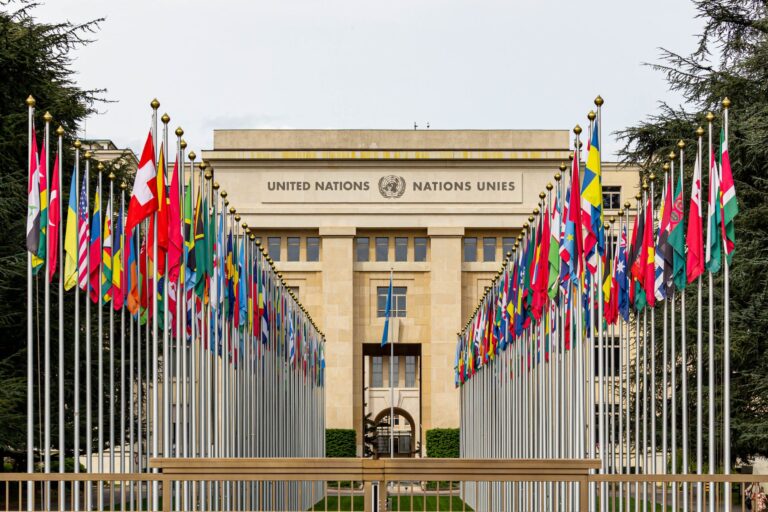
Aid workers report desperate conditions in makeshift camps. Clean water is scarce. Medical supplies are running low. And the rainy season threatens to make bad situations catastrophic. “The needs are overwhelming, and resources are stretched to breaking point,” a UN humanitarian coordinator stated in a briefing.
Global Meat Production Sees Dramatic Expansion
Meanwhile, international agricultural data shows global meat supply has quadrupled over recent decades, driven by rising demand in developing economies and industrial farming expansion. Yet this abundance hasn’t translated to food security for millions.
The disconnect is stark. While production soars, distribution systems fail those who need it most. Conflict zones like South Sudan see almost none of this increased supply, as war disrupts trade routes and destroys local agriculture.
Middle East Conflicts Fuel Hunger Crisis
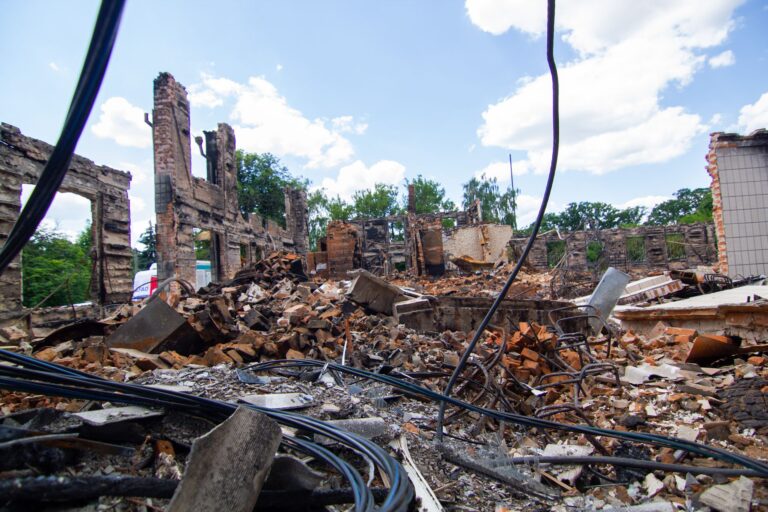
The situation in South Sudan mirrors deteriorating conditions across the Middle East, where ongoing conflicts have pushed hunger to alarming levels. Yemen, Syria, and Gaza face acute food shortages as fighting prevents humanitarian access and destroys critical infrastructure.
Global aid agencies warn that 2024 could see record numbers facing severe food insecurity. The combination of conflict, climate shocks, and economic instability has created what experts call a “perfect storm” of hunger.
International donors face tough choices. Funding requests far exceed available resources, forcing agencies to prioritize the most critical emergencies. But every crisis seems critical now.
So where does that leave places like Jonglei State? Observers say the international community must find new approaches to addressing both immediate humanitarian needs and the underlying conflicts driving displacement. Without sustained political solutions, the cycle of crisis and response will continue indefinitely.