Sudan drone strike injures students as UN warns on civilian toll
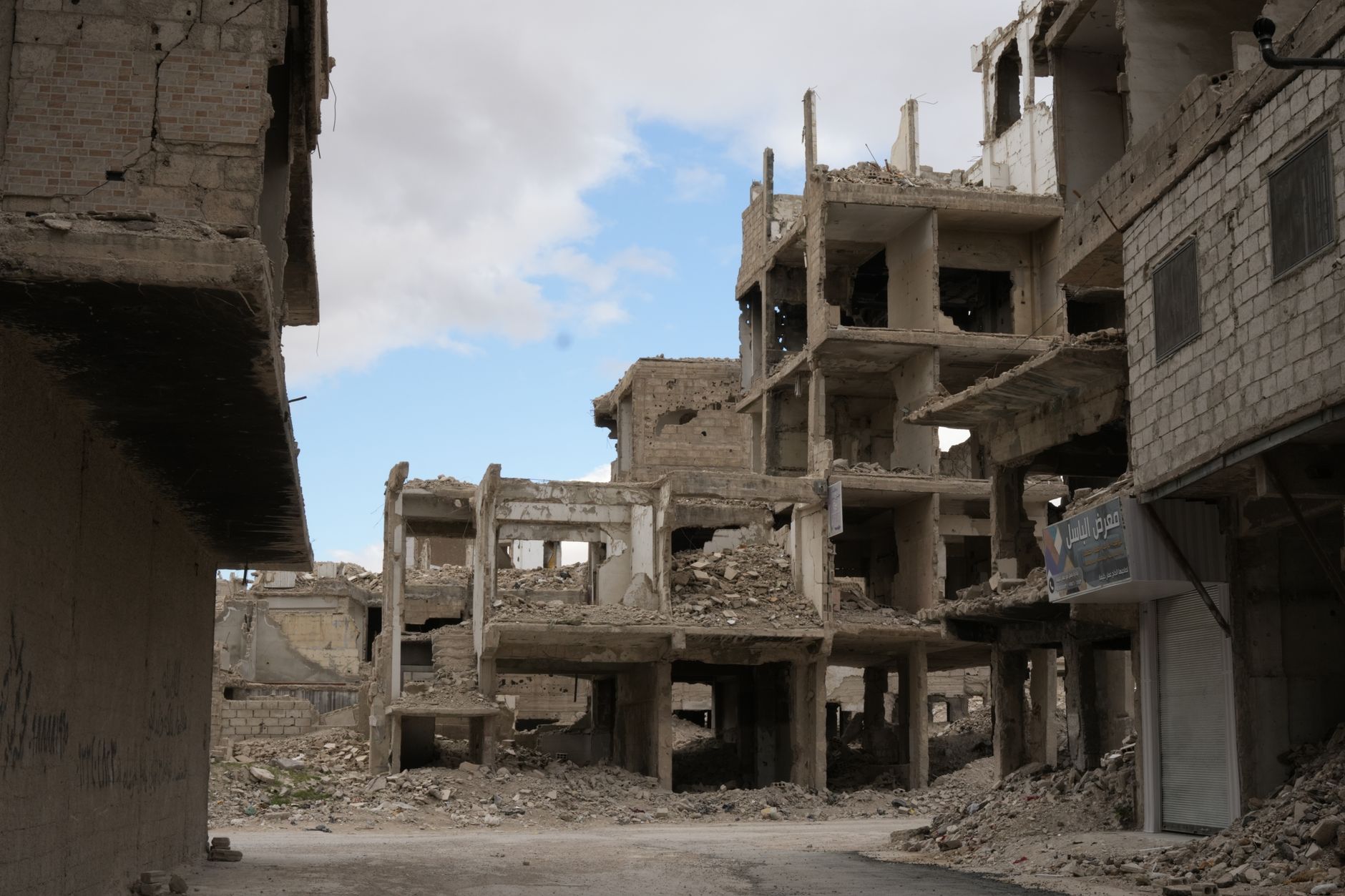
A drone strike hit a school in the Sudanese city of El Obeid on Tuesday, injuring several students and adding to a growing list of civilian casualties in a conflict that shows no sign of slowing down. The United Nations said on Wednesday that ongoing fighting in the city continues to endanger civilians and damage critical infrastructure, painting a bleak picture of daily life for those trapped inside.
Students caught in the crossfire
The strike struck during school hours, when classrooms were occupied. At least a dozen students were reported injured, according to UN officials monitoring the situation on the ground. It’s the kind of attack that has become grimly routine in El Obeid, the capital of North Kordofan state, where the war between the Sudanese Armed Forces and the Rapid Support Forces has ground on for months. Medical facilities in the area are already overwhelmed, and getting the injured proper care isn’t straightforward. Roads are damaged. Supplies are running low.
“Civilians are paying an unbearable price,” a UN spokesperson said, urging all parties to respect international humanitarian law and protect civilian sites, including schools and hospitals.
Dangerous returns in south Lebanon
Meanwhile, hundreds of kilometres away, a different kind of danger is unfolding. In southern Lebanon, residents who fled the conflict between Hezbollah and Israel are trickling back to their villages — and finding that coming home can be just as deadly as leaving. Unexploded ordnance litters fields and roads. Some homes have been booby-trapped. Since a fragile ceasefire took hold in late November, at least 22 people have been killed by explosive remnants in the south, according to the Lebanese Army.
Still, people keep returning. For many, there’s simply nowhere else to go, and the pull of home — even a damaged one — is powerful. Aid organisations are scrambling to map contaminated zones, but the scale of the problem is enormous.
Celebrating women in diplomacy
On a markedly different note, Wednesday also marked an international event recognising women diplomats, with ceremonies held in Geneva, New York and several capitals around the world. The numbers remain sobering: women hold just 26 percent of ambassadorial posts globally, according to data from the International Labour Organization. That’s up from 19 percent a decade ago, but progress has been slow.
Advocates say the gap isn’t about talent or ambition. It’s about systems, networks and institutional cultures that still weren’t built with women in mind.
What comes next
In Sudan, the UN is pressing for humanitarian corridors into El Obeid, where food and medicine are critically short. Talks between warring factions haven’t yielded a ceasefire, and there’s little optimism in diplomatic circles that one is imminent. In Lebanon, the army has pledged to accelerate demining operations in the south, though experts warn the work could take years. And the push for more women in diplomatic roles will likely find its next major test at the UN General Assembly later this year, where representation — or the lack of it — will be hard to ignore.