T. rex fossil could become most expensive ever sold at auction
A 67 million-year-old Tyrannosaurus rex skeleton is heading to the auction block in New York, with a pre-sale estimate of $30 million that could make it the most expensive dinosaur fossil ever sold. But while collectors and billionaires circle the lot with excitement, the scientific community is watching with deep unease.
A giant going under the hammer
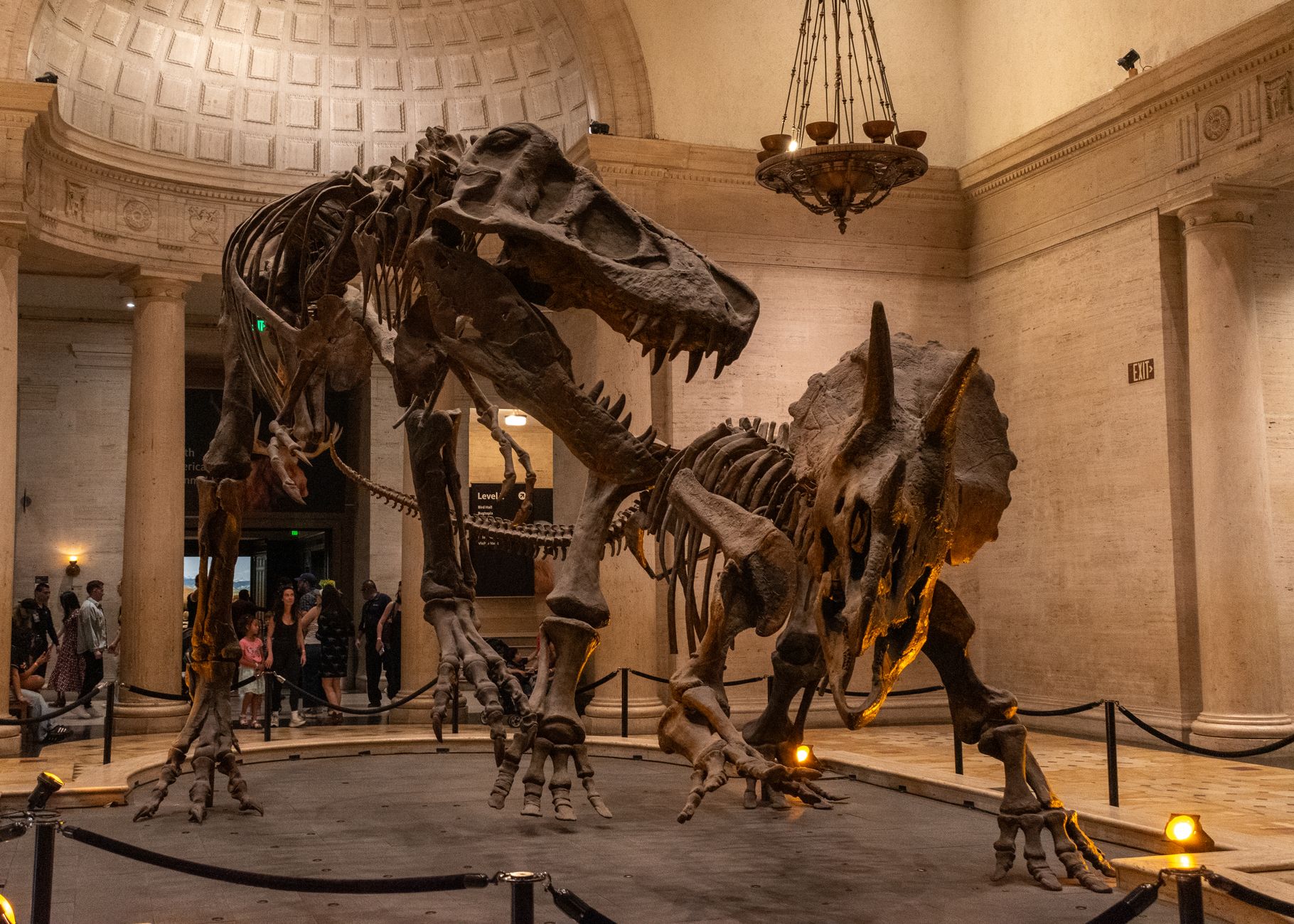
The specimen, nicknamed “Apex,” measures roughly 40 feet long and stands about 13 feet at the hip. It was discovered in South Dakota in 2022 and is considered one of the most complete T. rex skeletons ever found, with paleontologists estimating around 70% of the original bones are present. Sotheby’s is handling the sale, scheduled for later this year, and the auction house is already calling it a landmark event in natural history collecting.
It’s not hard to see why. The previous record for a dinosaur fossil at auction was set in 2020, when a T. rex named “Stan” sold for $31.8 million — nearly four times its pre-sale estimate. Apex’s $30 million estimate suggests the final price could push well past that figure.
Why scientists are alarmed
The problem isn’t the price tag. It’s where the fossil ends up.
When specimens like this are purchased by private collectors, they effectively disappear from science. Researchers can’t study what they can’t access. And a fossil of this quality — large, well-preserved, nearly complete — represents an irreplaceable data set for understanding T. rex biology, growth patterns, and behavior. Once it’s locked in a private estate or a corporate lobby, that window closes.
“Every time a significant specimen like this goes to a private buyer, we lose a piece of our shared natural heritage,” said one vertebrate paleontologist who has spent decades working on Cretaceous-era fossils. “These aren’t just beautiful objects. They’re primary scientific evidence.”
The issue is also tied to the fossil trade’s legal landscape in the United States. Unlike many other countries, the U.S. allows fossils found on private land to be sold commercially. That means landowners in fossil-rich states like Montana, Wyoming, and South Dakota can legally profit from specimens that might otherwise enter museum collections.
A widening divide between commerce and science
The Apex sale is arriving at a moment of genuine tension in the paleontology world. Museums simply don’t have $30 million sitting around for a single acquisition. The Smithsonian’s entire annual acquisitions budget is a fraction of that figure. So the realistic buyers are wealthy individuals, investment groups, or corporations — none of whom are obligated to provide scientific access.
Some auction houses have encouraged buyers to loan specimens to institutions. But that’s voluntary, unenforceable, and easily reversed.
What happens next
The sale is expected to draw international bidders and significant media attention. Paleontology advocacy groups are already pushing for policy conversations about whether iconic specimens should qualify for some form of protected status before they leave public reach for good.
Still, barring any legal intervention, Apex will go to whoever writes the biggest check. Science, in this case, doesn’t get a vote.