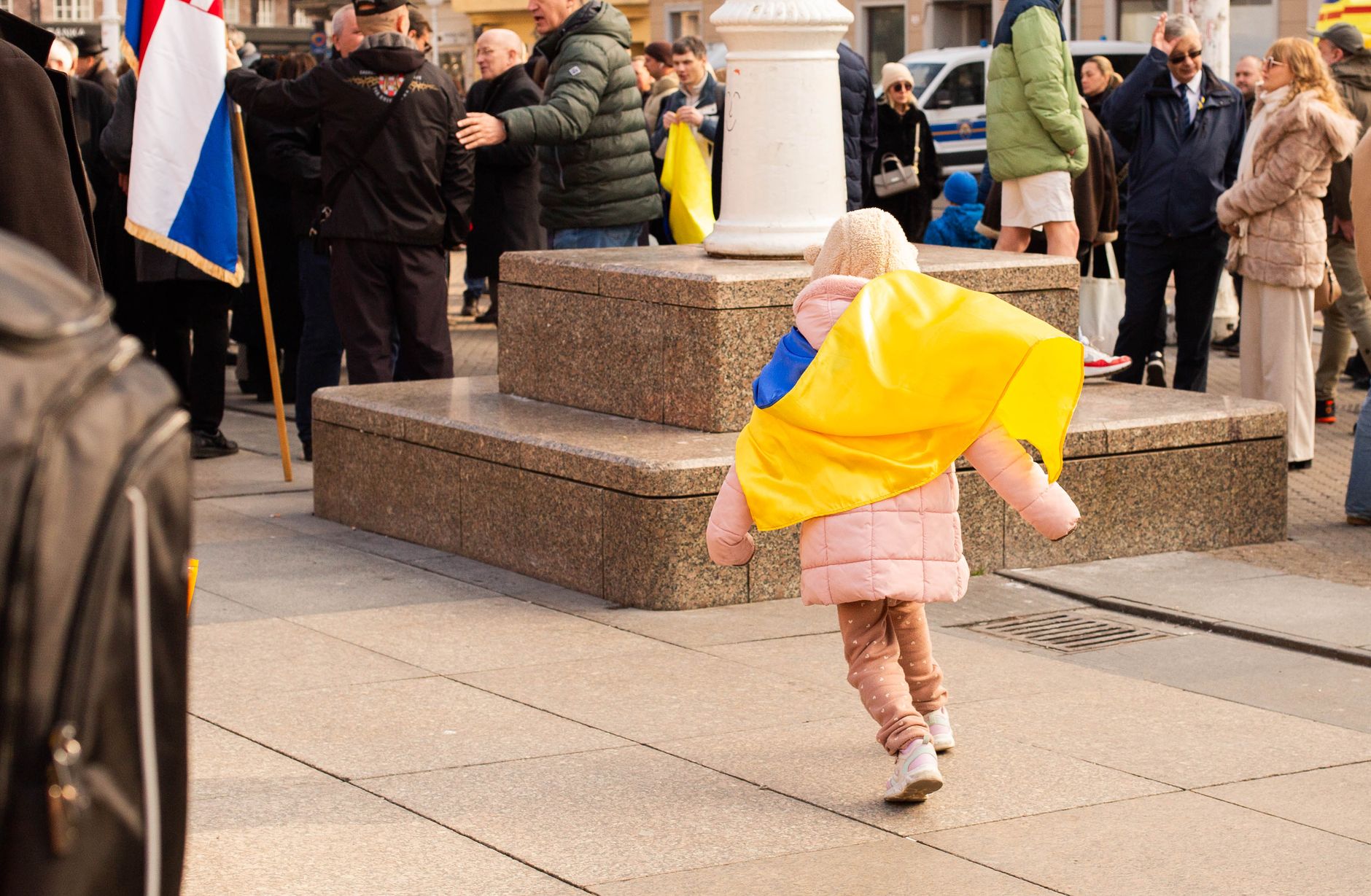
Ukraine’s children bear heavy psychological burden of prolonged conflict, UN envoy warns
According to UN News – Global perspective Human stories, young people across Ukraine continue to endure severe psychological and educational disruption as the ongoing conflict with Russia enters another year, with many forced to adapt to learning in basement shelters while living under the constant threat of aerial bombardment.
The United Nations child rights envoy has highlighted the devastating impact that prolonged warfare has had on Ukrainian children, who have spent formative years of their development surrounded by the sounds of warning sirens and the ever-present danger to themselves and their loved ones.
Education has been fundamentally transformed for countless Ukrainian students, with many attending classes in makeshift underground facilities designed to protect them from missile strikes. Others have been compelled to transition to remote learning platforms, disrupting normal social development and peer interaction that are crucial during childhood and adolescence.
The psychological toll of this extended period of conflict cannot be overstated, according to child welfare experts. Young Ukrainians have been forced to normalize the abnormal, developing coping mechanisms for situations no child should face. The piercing sound of air raid warnings has become a regular feature of daily life, creating an environment of sustained stress and anxiety.
UN officials emphasize that the impact extends far beyond immediate physical safety concerns. Children are experiencing interrupted education, separation from family members, displacement from their homes, and the loss of the stability essential for healthy development. The constant state of alert takes a measurable toll on mental health, with many young people exhibiting signs of trauma and stress-related conditions.
The educational disruption poses long-term consequences for an entire generation. Students struggling to learn in bunkers or through computer screens face significant challenges in achieving the same academic outcomes as their peers in peacetime conditions. Teachers, themselves coping with the same stresses, must find innovative ways to deliver quality education under extraordinary circumstances.
International child rights advocates are calling for increased support for psychological services and educational resources tailored to children affected by conflict. They stress that addressing the mental health needs of Ukrainian youth must be a priority, as the effects of prolonged exposure to warfare can persist long after hostilities cease.
The situation underscores the broader humanitarian crisis facing Ukraine, where civilian infrastructure, including schools, continues to face threats, forcing communities to make impossible choices between education and safety.