US-Iran cycle of war and talks: Can Washington break free?
The guns have barely cooled and already diplomats are talking again. Since the US-Israel campaign that killed Supreme Leader Ali Khamenei on the first day of strikes back in February, Iran has emerged from the wreckage of that 11-day war battered, defiant, and holding a card nobody quite anticipated it would play this hard: the Strait of Hormuz.
A chokepoint worth more than a bomb
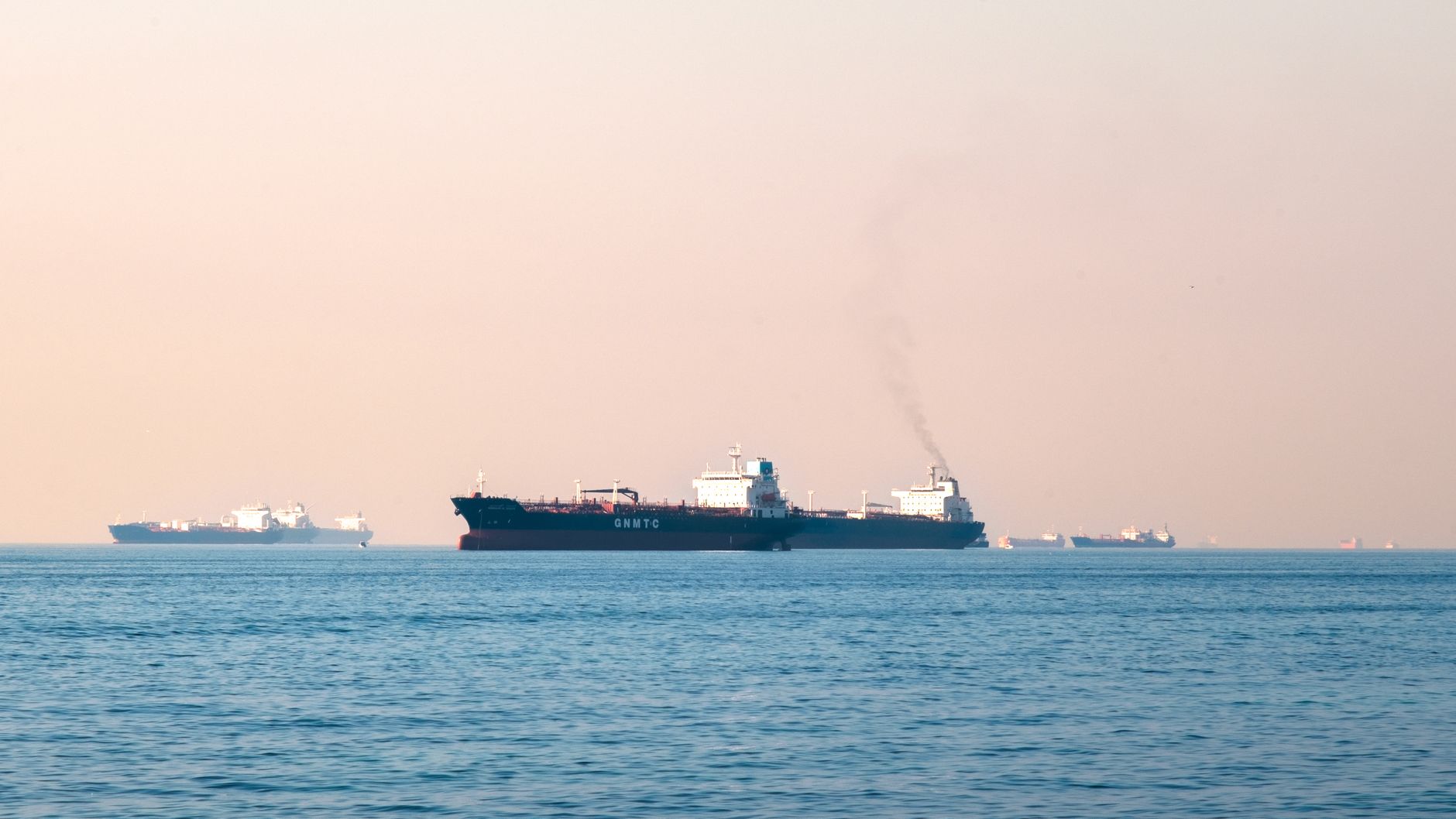
Roughly 21 million barrels of oil pass through the strait every day. That’s about 21 percent of global petroleum liquids, and Iran’s Revolutionary Guard knows exactly what that number means in a White House already watching gasoline prices tick past $5.40 a gallon in swing states. Who needs a nuclear warhead when you can bring the global economy to its knees from a narrow sliver of water 33 kilometers wide at its tightest point? Tehran’s new provisional leadership, still consolidating power after Khamenei’s death, has made that calculus very publicly.
And ordinary Iranians are paying the price. The rial has lost another 34 percent of its value since February 28th. Bread lines in Mashhad stretch around city blocks. But the hardliners running the provisional council don’t appear to care, or at least they’re betting they can outlast the political pain.
Trump’s threats and the credibility question
President Trump has posted no fewer than 17 times since March threatening a full ground invasion if Iran doesn’t stand down. Yet the troops haven’t moved. That gap between rhetoric and action hasn’t gone unnoticed in Tehran, or in Riyadh, or in Beijing.
“There is a serious credibility deficit that any negotiating team will have to contend with before talks can produce anything durable,” said one senior Western diplomat familiar with the back-channel discussions, speaking on condition of anonymity.
So here’s the core problem. The US wants Iran to abandon uranium enrichment, release four American detainees still held since before the war, and formally renounce support for Hezbollah remnants in Lebanon. Iran wants sanctions lifted, frozen assets — roughly $16 billion worth — returned, and some form of security guarantee that the US won’t finish the job militarily. Neither side trusts the other to hold up their end. They’ve been here before.
A pattern older than the Islamic Republic itself
This is the seventh distinct round of US-Iran crisis negotiations since 1979. Each prior cycle followed a similar rhythm: escalation, back-channel contact, partial deal or collapse, repeat. The 2015 nuclear agreement was the closest thing to a genuine break in that pattern, and it lasted less than three years before Trump walked away in his first term.
Still, something is structurally different now. Khamenei is gone. The Revolutionary Guard’s top two commanders died in the February strikes. Iran’s institutional memory for hardline brinksmanship died with them, at least partially.
Whether Washington can exploit that opening before the provisional council hardens into a new orthodoxy is the question everyone in the region is watching. The window, analysts warn, probably won’t stay open past autumn.