US strikes near Tehran mark new escalation in Persian Gulf tensions
American forces carried out strikes in areas around Tehran for the first time during the current wave of military action, Iranian state media reported late Tuesday, as the conflict between the two countries entered a dangerous new phase. The attacks came hours after the US military fired a precision missile into the funnel of a Curaçao-flagged oil tanker in the Persian Gulf, a strike Washington says was a direct response to the vessel’s refusal to comply with repeated warnings.
The tanker strike
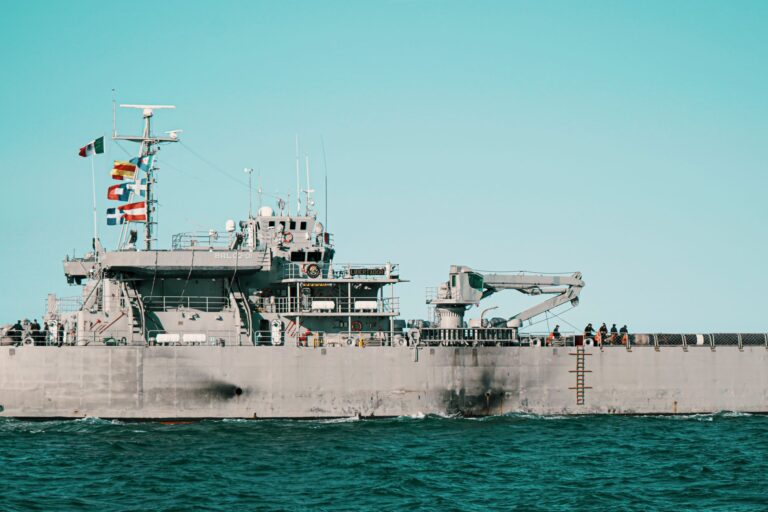
The US Central Command said the unnamed tanker was moving toward Kharg Island, Iran’s primary oil export terminal, when naval forces intervened. According to the Pentagon, the ship “ignored multiple warnings” before a single missile was fired into its funnel — a deliberately targeted hit designed to disable without sinking. It’s a tactic US forces have used before to signal intent while limiting casualties. But Iranian officials rejected that framing entirely, calling the strike an act of aggression against a civilian vessel operating in international waters.
Kharg Island handles an estimated 90 percent of Iran’s crude oil exports. Any disruption there would send shockwaves through global energy markets almost immediately.
Strikes near the capital
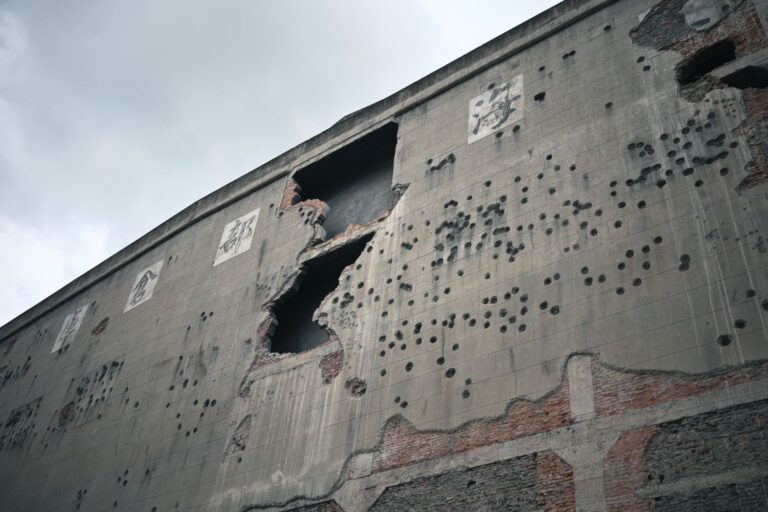
The extension of US operations to the Tehran region is the most significant geographic escalation since the current conflict began. Iranian state media, citing unnamed security officials, said explosions were heard in at least two locations within 40 kilometers of the capital on Tuesday night. The reports couldn’t be independently verified, and the Pentagon hadn’t formally confirmed those specific strikes at the time of publication.
“The Islamic Republic will respond to any aggression against its territory and its people at a time and place of its choosing,” a senior Iranian government spokesperson said in a statement broadcast on state television.
Still, the scale of damage — if any — from the Tehran-area attacks remains unclear.
Regional and market reaction
Oil prices jumped more than 4 percent in early Asian trading following the reports, with Brent crude climbing to $94.60 a barrel. Gulf states, several of which host US military installations, have so far declined to publicly comment on the latest developments. That silence speaks volumes. Saudi Arabia’s foreign ministry issued only a boilerplate call for “de-escalation and dialogue,” a phrase that’s been repeated so often in recent weeks it’s started to lose meaning.
Shipping companies have already begun rerouting vessels away from the northern Persian Gulf. Lloyd’s of London war risk premiums for the region spiked sharply overnight, industry sources said.
What comes next
The Biden administration hasn’t formally addressed the Tehran-area reports, but a White House official told reporters Tuesday that the US “retains the right to defend freedom of navigation” and would continue to act accordingly. Diplomatic back-channels through Oman, which have been active in recent months, are reportedly still open — but nobody on either side is publicly optimistic right now. The next 48 hours will be critical.