Venezuela frozen assets: Caracas demands release for earthquake aid
Venezuela is demanding the release of billions of dollars in frozen state assets to fund recovery efforts following a devastating earthquake that struck the country’s northwest, as the United Nations launched an urgent appeal Wednesday to raise €259 million for emergency relief operations.
Caracas points finger at sanctions
Venezuelan officials say the country’s ability to respond to the disaster has been crippled by international sanctions and asset freezes that have locked up funds held in foreign banks and financial institutions. The government estimates it needs at least $400 million in the immediate term to repair infrastructure, rehouse displaced families, and restore basic services to affected regions. But with access to those resources blocked, Caracas says it’s fighting the crisis with one hand tied behind its back.
A government spokesperson said Wednesday that the situation was “unacceptable” and called on the United States and European governments to temporarily unfreeze accounts to allow humanitarian spending. “You cannot put politics above the lives of thousands of people buried under rubble,” the spokesperson said.
Scale of the disaster
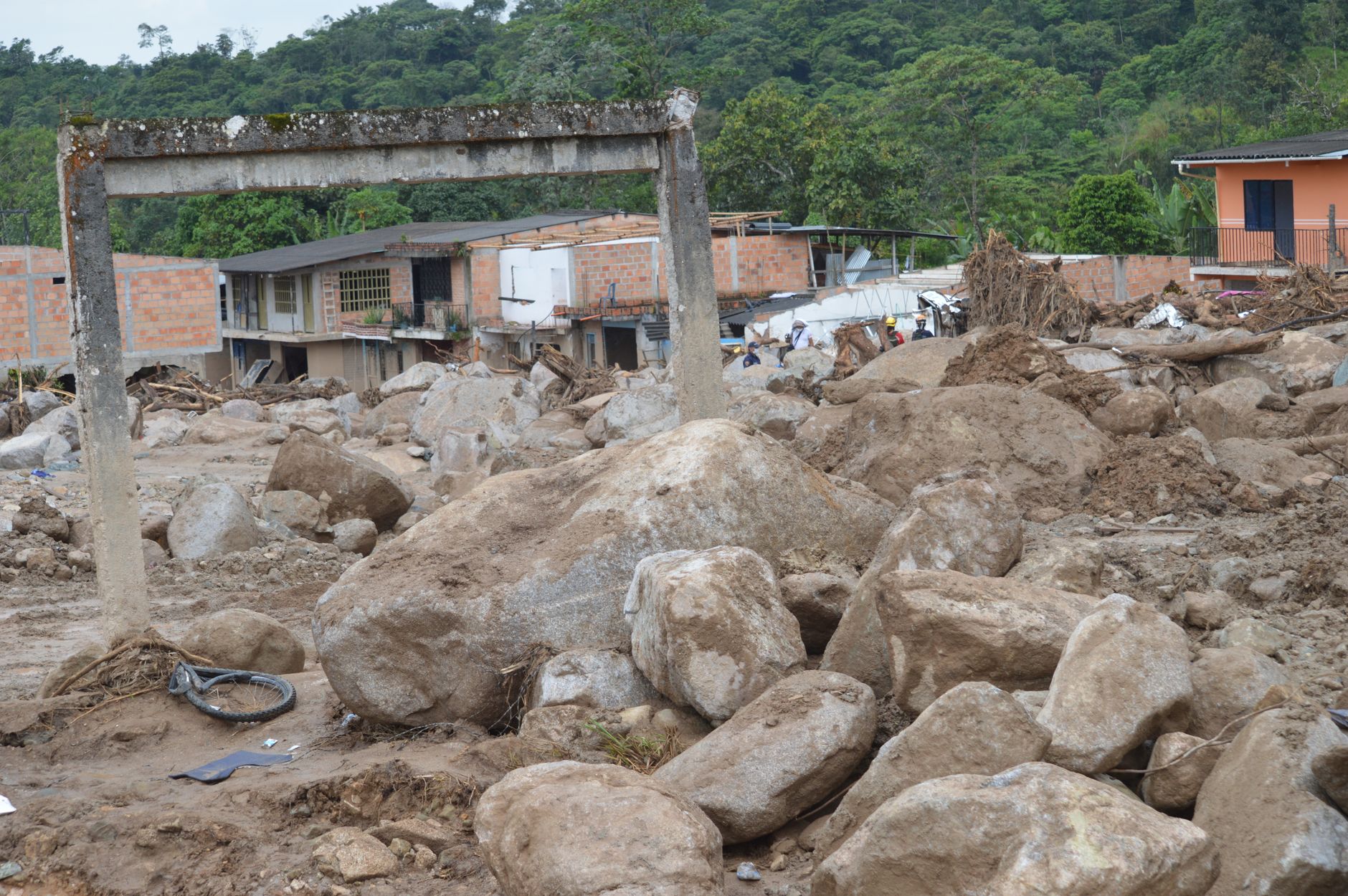
The 6.3-magnitude quake struck near the town of Choroní in Aragua state, killing at least 87 people and leaving more than 12,000 homeless. Search and rescue teams have been working around the clock. Still, dozens remain missing, and local officials warn the death toll is likely to rise as crews reach more remote villages cut off by landslides.
More than 3,400 homes were destroyed or badly damaged. Hospitals in the region are overwhelmed. Power and clean water remain unavailable to roughly 60,000 residents across three affected municipalities.
UN appeal and international response
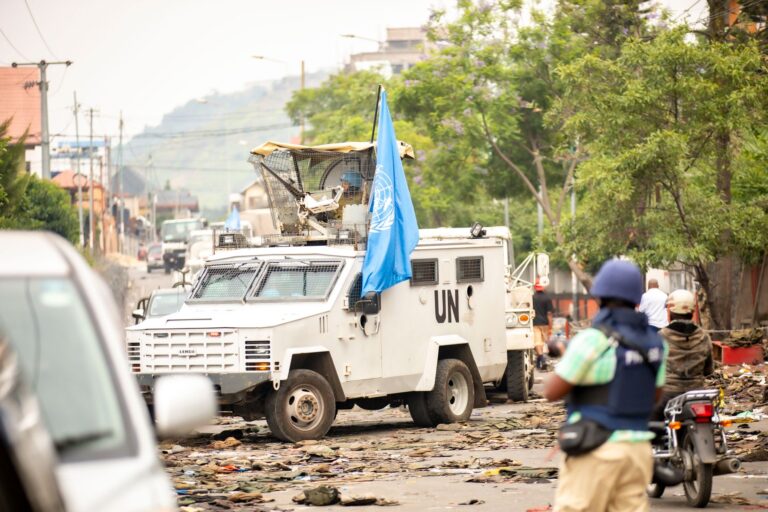
The United Nations launched its emergency appeal on Wednesday, targeting €259 million to cover food, shelter, medical care, and logistics for relief teams on the ground. Agencies including the World Food Programme and UNICEF have already begun mobilizing supplies, though access to some areas remains difficult.
So far, pledges have been modest. Several Western governments say they’re willing to provide bilateral aid but won’t route funds through Venezuelan state institutions, citing concerns over transparency and the risk that money could be diverted. That standoff has already slowed coordination efforts in the critical first days after the disaster.
The debate over frozen assets isn’t new. Venezuela has been pushing for years to recover funds seized under sanctions imposed by the U.S., the EU, and others over concerns about democratic backsliding and human rights abuses. But the earthquake has given Caracas a fresh and urgent argument.
What comes next
Diplomatic channels are reportedly active, with several Latin American nations pushing for at least a temporary humanitarian exemption on the frozen funds. It’s unclear whether Washington or Brussels will agree.
For the families sleeping in tents outside collapsed homes in Choroní, that answer can’t come soon enough.