Venezuela quake recovery needs real action, says UN relief chief
The wave of global sympathy following Venezuela’s deadly twin earthquakes must now translate into concrete aid and reconstruction funding, UN Emergency Relief Coordinator Tom Fletcher warned on Wednesday — and he’s not willing to wait.
From words to action
Fletcher briefed member states in New York this week, making clear that solidarity statements alone won’t rebuild communities flattened by the two powerful earthquakes that struck Venezuela last month. The quakes, which hit within days of each other and registered magnitudes of 6.3 and 6.5, killed at least 27 people, injured hundreds more, and left tens of thousands displaced across several states including Sucre and Nueva Esparta.
“Help is coming,” Fletcher told reporters after the briefing. “But coming isn’t enough. It needs to arrive, and it needs to arrive now.”
So far, international pledges have been substantial in volume but uneven in delivery. Aid organizations on the ground report that some promised supplies have been delayed at ports or held up in logistical bottlenecks. Fletcher said his office is working directly with Venezuelan authorities and partner agencies to clear those obstacles.
Scale of the damage
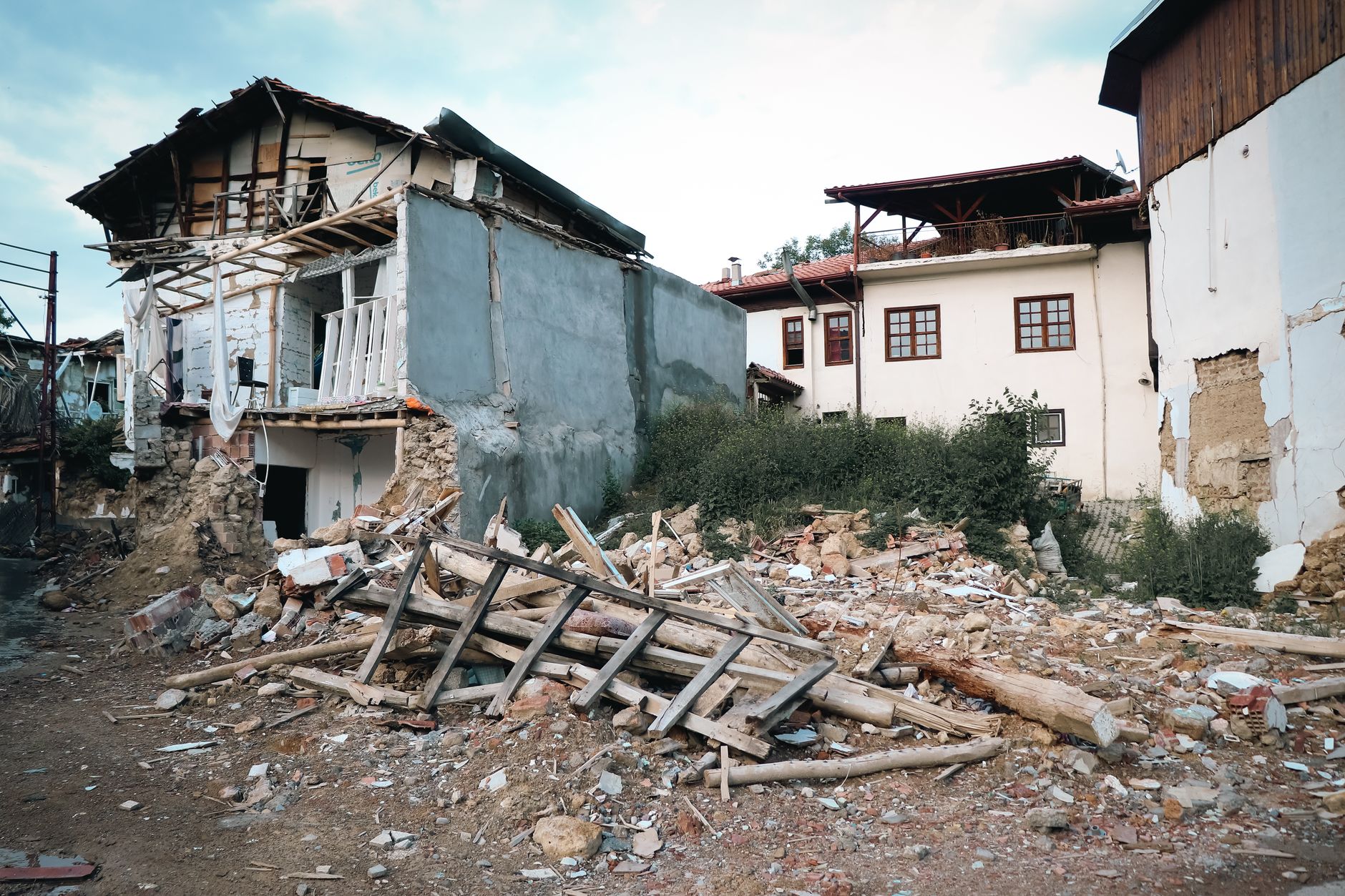
The numbers are stark. More than 16,000 homes suffered structural damage, according to UN assessments, with roughly 3,400 deemed completely uninhabitable. Schools, clinics, and water infrastructure also took significant hits. In some coastal communities in Sucre state, entire neighborhoods were reduced to rubble.
And Venezuela was already struggling before the ground shook. Years of economic crisis have left hospitals under-equipped and emergency services stretched thin. The earthquakes compounded a humanitarian situation that aid workers describe as deeply fragile.
Still, there are signs of momentum. The UN’s Central Emergency Response Fund released an initial $2 million within 72 hours of the second quake, and the World Food Programme has reached approximately 8,000 people with food assistance so far.
What recovery actually requires
Fletcher’s message on Wednesday centered on three priorities: shelter, safe water, and health services. He’s calling on donor governments to fast-track funding commitments rather than letting pledges sit on paper for months.
It’s a familiar frustration in humanitarian circles — the gap between what’s promised and what’s delivered.
A senior UN official familiar with the briefing said the situation “requires the kind of sustained attention that disasters often lose once they fall out of the headlines.” That attention, the official added, has to come with money attached.
What comes next
A formal donor coordination meeting is expected to be convened in the coming weeks, with the UN pushing for multi-month funding commitments rather than one-off contributions. Venezuelan authorities have also submitted a formal needs assessment to UN agencies, which will form the basis for a broader recovery framework.
Fletcher didn’t sugarcoat things. But he left Wednesday’s briefing with a clear message: the world showed up emotionally after Venezuela’s earthquakes. Now it needs to show up financially — and fast.