
Wildlife recoveries show nature can bounce back, conservationists say
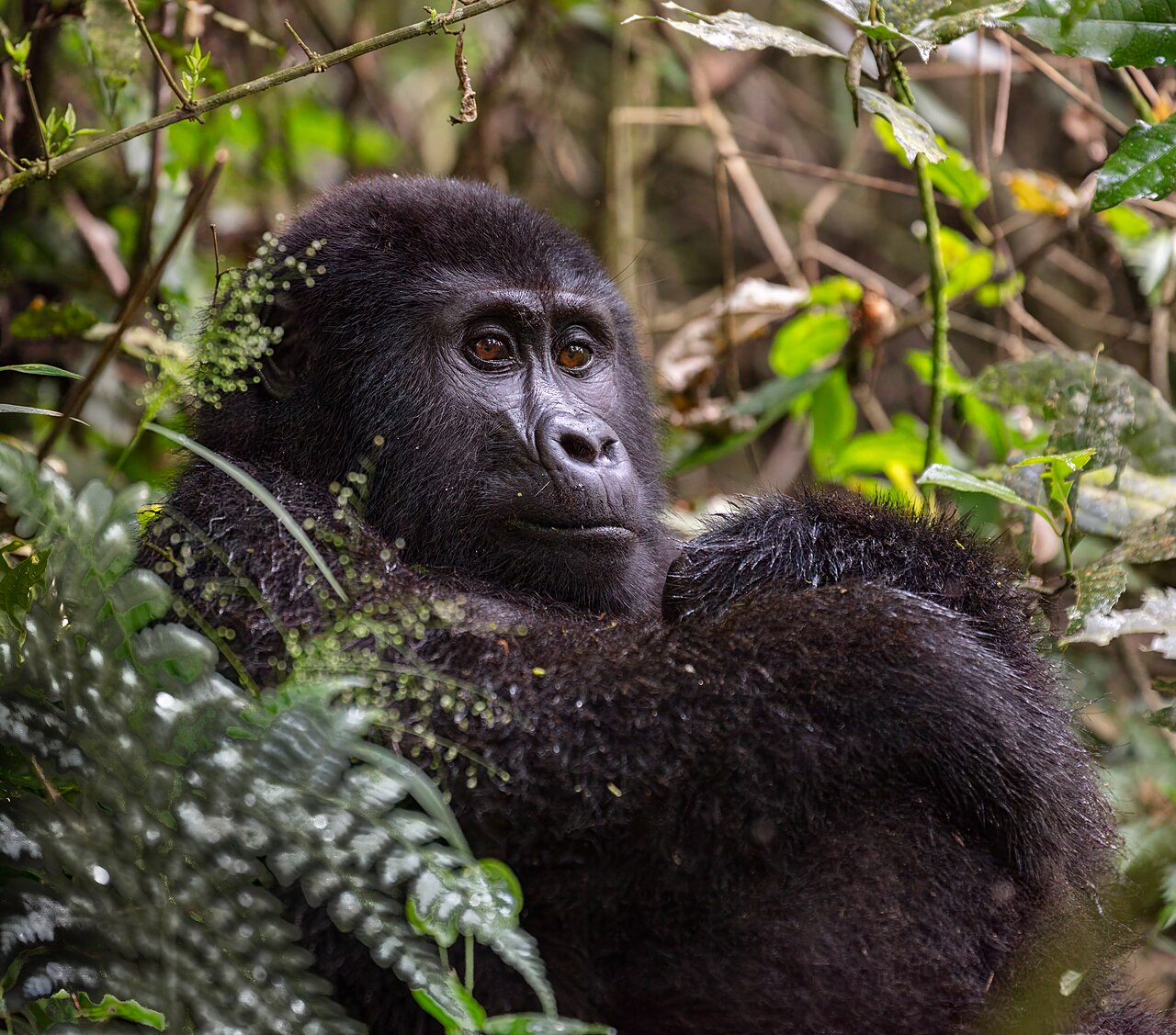
Tourists pay $800 each to spend time with a gorilla troop in Uganda’s Bwindi Impenetrable National Park. Villages around the park earn money from wood carvings and accommodation for up to 40,000 visitors a year. The park, which lies along the Rift Valley near the border with the Democratic Republic of the Congo, provides jobs for rangers and guides. Deeper in the forest, other mountain gorillas live away from people, foraging, building nests and spreading seeds.
In the 1980s, the mountain gorilla was racing towards extinction. Today, more than 1,100 of them live in thriving populations across Uganda, Rwanda and the DRC. Tara Stoinski of the Dian Fossey Gorilla Fund said the mountain gorilla story shows that conservation can work. She called it an important example of the effort needed—decades of sustained action that includes protection, science-informed management and community involvement.
Global declines but notable recoveries
This year’s Living Planet Report by the World Wide Fund for Nature found that over the past 52 years, monitored wildlife populations shrank by 73 percent on average. Habitats have been degraded or lost worldwide because of overexploitation, climate change, pollution and invasive species. But the report also highlights recoveries: green turtles, bluefin tuna, tigers and Southern African elephants.
Andrew Terry, chief conservation officer at the Zoological Society of London and a contributor to the report, said nature has been undervalued for too long. He stressed that these declines are not inevitable and change is possible. “Nature can recover, and these stories are a powerful reminder of this,” he said.
Global wild tiger numbers rose by more than 70 percent between 2010 and 2025, helped by commitments from countries including India, Bhutan, Nepal, Laos and China. The green sea turtle became the first marine turtle to be moved from “endangered” to “least concern” on the IUCN Red List. That change reflected five decades of research, protection of nesting females and eggs, measures to reduce fishing gear and sustained community engagement.
Visible results and remaining challenges
Brendon Godley, a professor at the University of Exeter and the Sharjah Marine Research Centre, has spent his career researching and protecting sea turtles. He said the recovery of species like green turtles shows that when science, policy, enforcement and public support align, populations can rebound. But he warned that these successes are not grounds for complacency.
Atlantic bluefin tuna populations had fallen by 80 percent by 2010 and were listed as endangered. The fish had disappeared from much of its historical range, including UK waters. Now they are returning in numbers not seen for generations. Tom Horton, a research fellow at the University of Exeter, said the recovery is visible: coastal communities, fishers and sea-users who had never seen a bluefin tuna in British waters are now encountering them regularly. “It transforms conservation from an abstract concept into something tangible,” he said.
The Grauer’s gorilla, the largest primate on Earth, remains critically endangered. Its home range in the vast remote forests of the DRC is beset by instability and habitat loss. Numbers have dropped by an estimated 60 percent to just 6,800 today. Urbain Ngobobo, country director for the Dian Fossey Fund in the DRC, said the challenge is significant, but so is the opportunity. He said every forest protected, every gorilla monitored, and every young Congolese person developing conservation skills represents progress. Hope, he said, comes from knowing that actions today can change what is possible tomorrow.