Young refugee in Uganda uses basketball to rebuild young lives
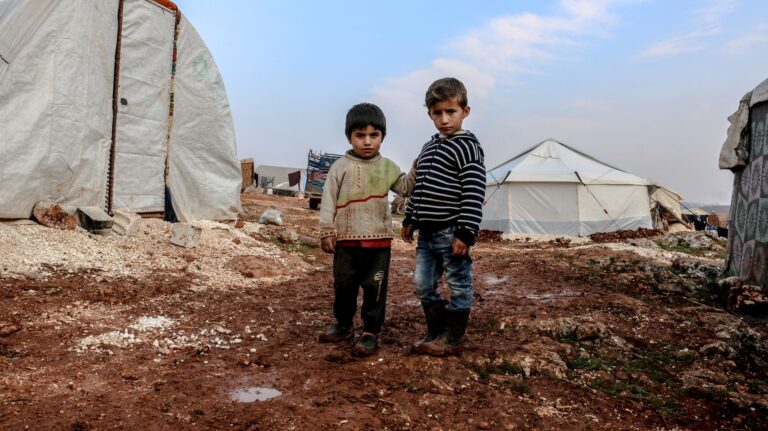
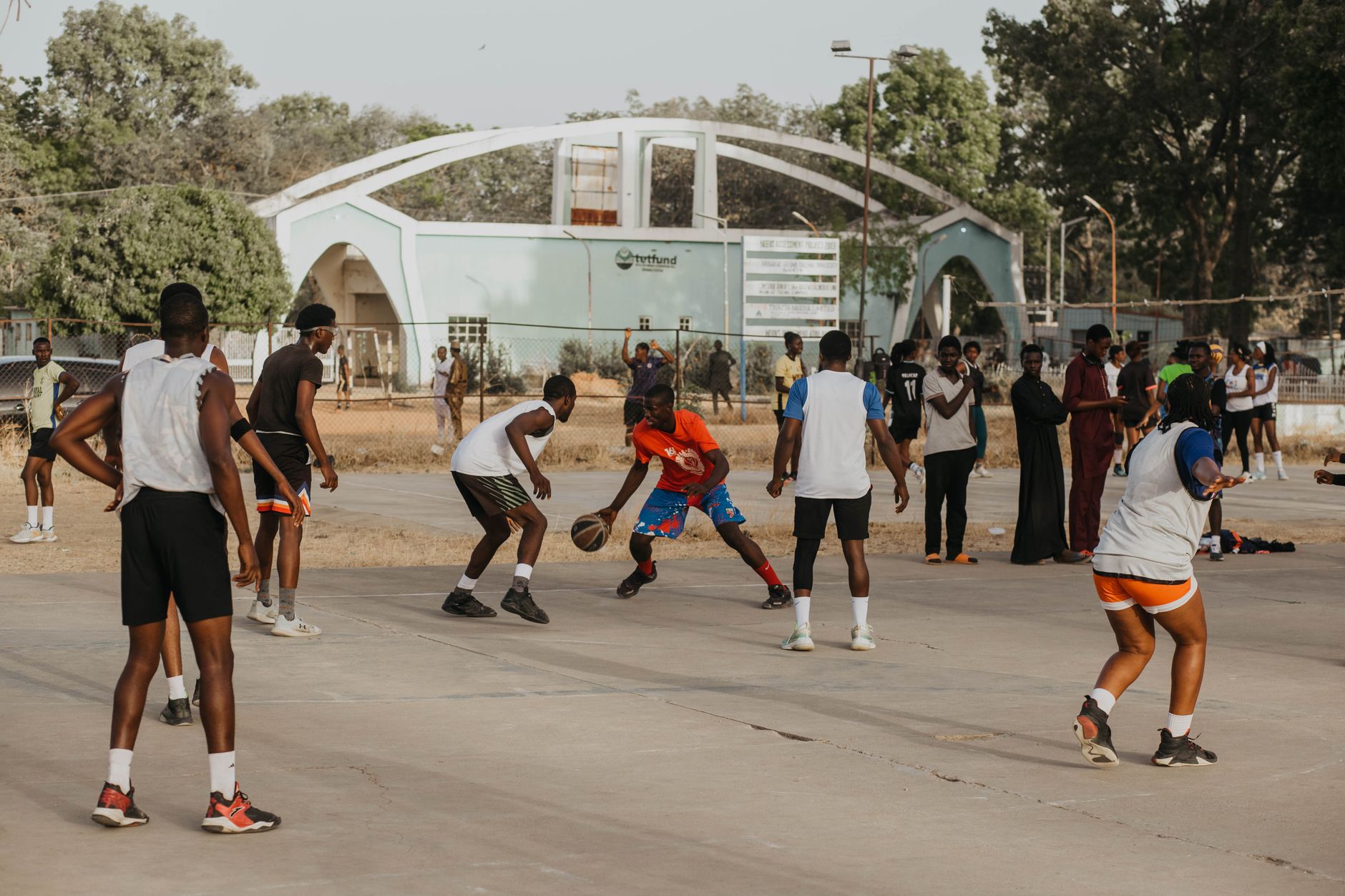
KAMPALA, Uganda — When 19-year-old Stephane Kulimushi looks around the cracked concrete basketball court in Kampala where he trains young refugees, he sees more than players. He sees kids who crossed borders with nothing. Kids who watched things no child should ever watch. And he sees, in their eyes, something he once had to find himself.
From the DRC to a court in Kampala
Kulimushi fled the Democratic Republic of Congo with his family in 2018, arriving in Uganda at age 13 with little more than the clothes on his back. He spoke no Luganda. He knew almost nobody. But a local youth organization handed him a basketball, and that changed everything. Within two years he was competing in inter-settlement leagues. By 17, he was coaching.
Today he runs twice-weekly training sessions for 34 children aged 8 to 16, all of them refugees registered with UNHCR, drawn from settlements across the Kampala metropolitan area. He does it for free.
Basketball as a tool, not just a sport
It’s a small operation. There’s one ball that’s slowly losing air, a donated set of second-hand jerseys in two mismatched colors, and a half-court that the neighborhood kids share with motorbike taxis who park there when practice isn’t running. But what Kulimushi has built is real.
He tracks attendance in a battered notebook. He calls parents when a child misses two sessions in a row. Three of his players have enrolled in school since joining the program — something Kulimushi considers a direct result of the routine and sense of belonging that practice provides.
“Sport is structure,” he says simply. “When you have somewhere to be at 4 o’clock, you start thinking about tomorrow.”
That philosophy has caught attention beyond the court.
Wider recognition, limited resources
A regional refugee support coordinator who works with youth programming in Kampala says Kulimushi’s approach reflects something organizations are increasingly trying to formalize. “Community-led initiatives like this one fill gaps that larger programs can’t always reach,” the coordinator said. “Young people trust other young people.”
Still, funding is almost nonexistent. Kulimushi applied to two sports development grants in 2024. He was rejected from both. He currently covers small costs — water, transport for younger kids — out of his own part-time earnings from a mobile phone repair stall near Nakivubo.
What comes next
He’s not giving up. Kulimushi says he wants to expand to 60 players by the end of 2025 and is in early conversations with a Kampala-based NGO about possible support. He also wants to formalize a mentorship component, pairing older teen players with the youngest kids in the program.
He’s 19. He doesn’t have papers that allow him to work full-time. He doesn’t have a gym, or a sponsor, or a guaranteed future in Uganda.
But three afternoons a week, 34 children show up. And for Kulimushi, that’s enough reason to keep going.