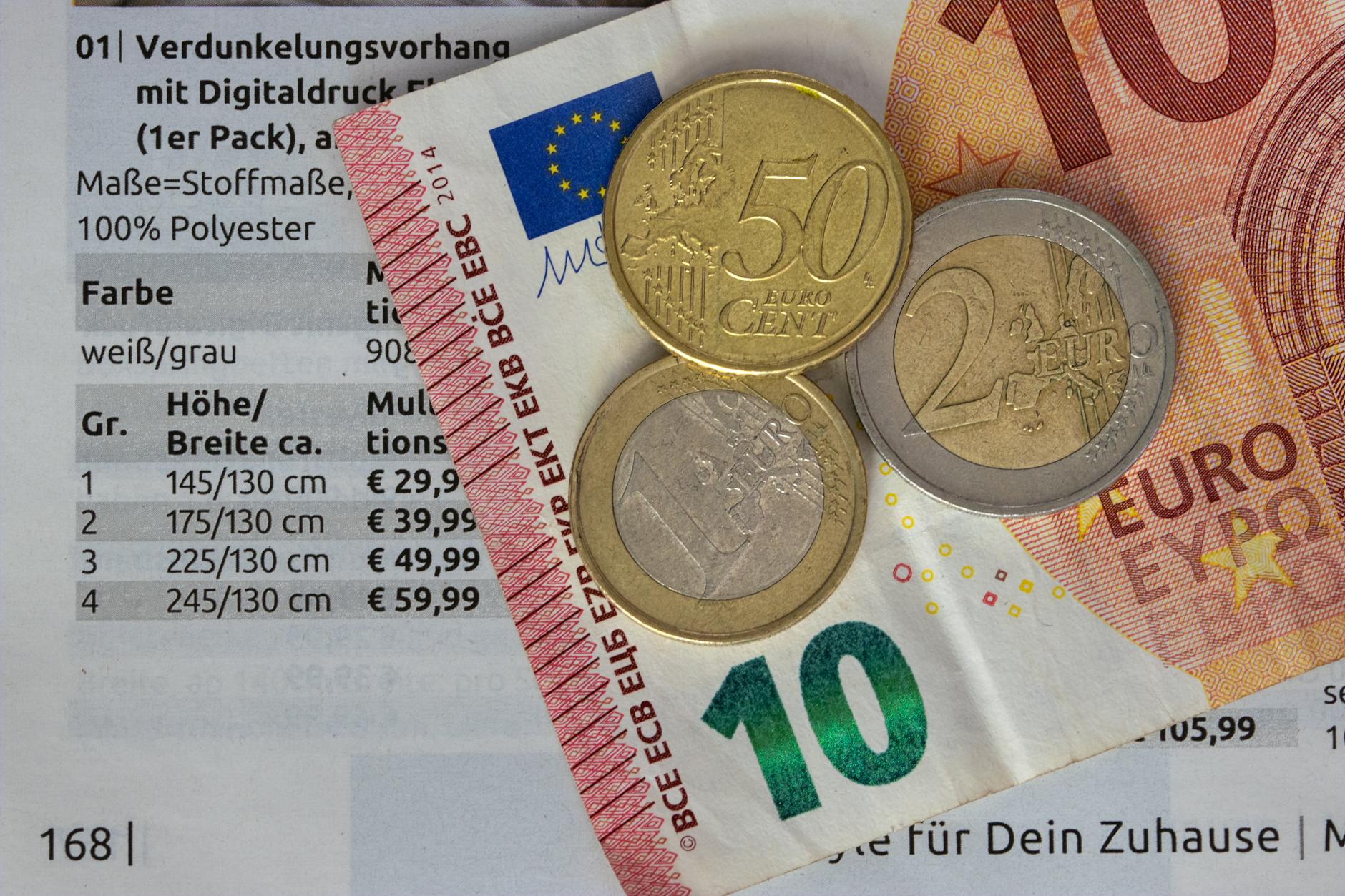
Czech President reignites euro adoption debate amid EU tensions
The long-dormant question of Czech euro adoption has roared back to life as President Petr Pavel publicly challenged his nation’s reluctance to join the eurozone, setting off a fresh wave of political debate that could reshape the country’s economic future.
Pavel’s recent statements mark a significant shift in tone for a country that’s been obligated to adopt the common currency since joining the EU in 2004 but has repeatedly postponed the move. The Czech Republic remains one of seven EU member states outside the eurozone, alongside Poland, Hungary, Sweden, Romania, Bulgaria, and Denmark.
Breaking With Tradition
The president didn’t mince words. He argued that staying outside the euro has become more of a political stance than an economic calculation, suggesting that fears about losing monetary sovereignty have been overblown. Yet his position puts him at odds with much of the Czech political establishment, which has grown comfortable with the koruna.
But timing matters. The Czech economy contracted by 0.4% in 2023, and inflation peaked at 18% in late 2022 before cooling to around 7% currently. Some economists argue that eurozone membership could have provided a buffer against such volatility.
Political Pushback Expected
Prime Minister Petr Fiala’s government has shown little appetite for euro adoption, and the country lacks even a target date for joining. That’s a stark contrast to neighboring Slovakia, which adopted the euro in 2009 and now boasts closer integration with European markets.
Still, public opinion remains split. Recent polling shows roughly 70% of Czechs oppose euro adoption, worried about price increases and loss of economic control. Those concerns aren’t entirely unfounded—several eurozone countries experienced inflationary spikes after conversion.
Economic Implications
The Czech National Bank has maintained its independence fiercely, using interest rate policy to steer the economy through multiple crises. Base rates currently stand at 4%, giving policymakers flexibility that eurozone members don’t enjoy. And that’s precisely what opponents of euro adoption want to preserve.
A senior government official speaking on background said the administration “respects the president’s views but sees no urgent reason to revisit our currency policy at this time.”
The debate arrives as the EU faces broader questions about cohesion and integration. With enlargement on the horizon and multiple crises testing European unity, the Czech position on the euro has become more than a domestic matter—it’s a statement about the country’s vision for its role in Europe.
Whether Pavel’s intervention shifts the conversation remains uncertain. But he’s succeeded in forcing Czechs to reconsider a question many thought was settled: what kind of European partner does the country want to be?