US strikes Iran after Apache crash in Strait of Hormuz
The United States launched limited military strikes against Iranian naval facilities early Thursday morning, marking the first major breach of the fragile ceasefire that had held since April 8. The Pentagon characterized the action as a “proportional response” to last week’s downing of a US Army Apache helicopter over the Strait of Hormuz, which killed all four crew members aboard.
Escalation Threatens Month-Old Ceasefire
Defense officials confirmed that F/A-18 Super Hornets from the USS Abraham Lincoln carrier strike group hit three Iranian Revolutionary Guard Corps naval bases along the southern coast. The strikes, which occurred at approximately 2:30 a.m. local time, targeted radar installations and fast-attack craft staging areas. Preliminary damage assessments indicate at least 12 Iranian vessels were destroyed, though casualty figures haven’t been released.
But the operation immediately drew sharp condemnation from Tehran. Iran’s Foreign Ministry issued a statement within hours calling the strikes an “act of aggression” and demanding that all foreign military forces withdraw from the Strait of Hormuz immediately. The ministry didn’t specify whether Iran would retaliate, though it reserved “the right to defend its sovereignty.”
Apache Downing Sparked Crisis
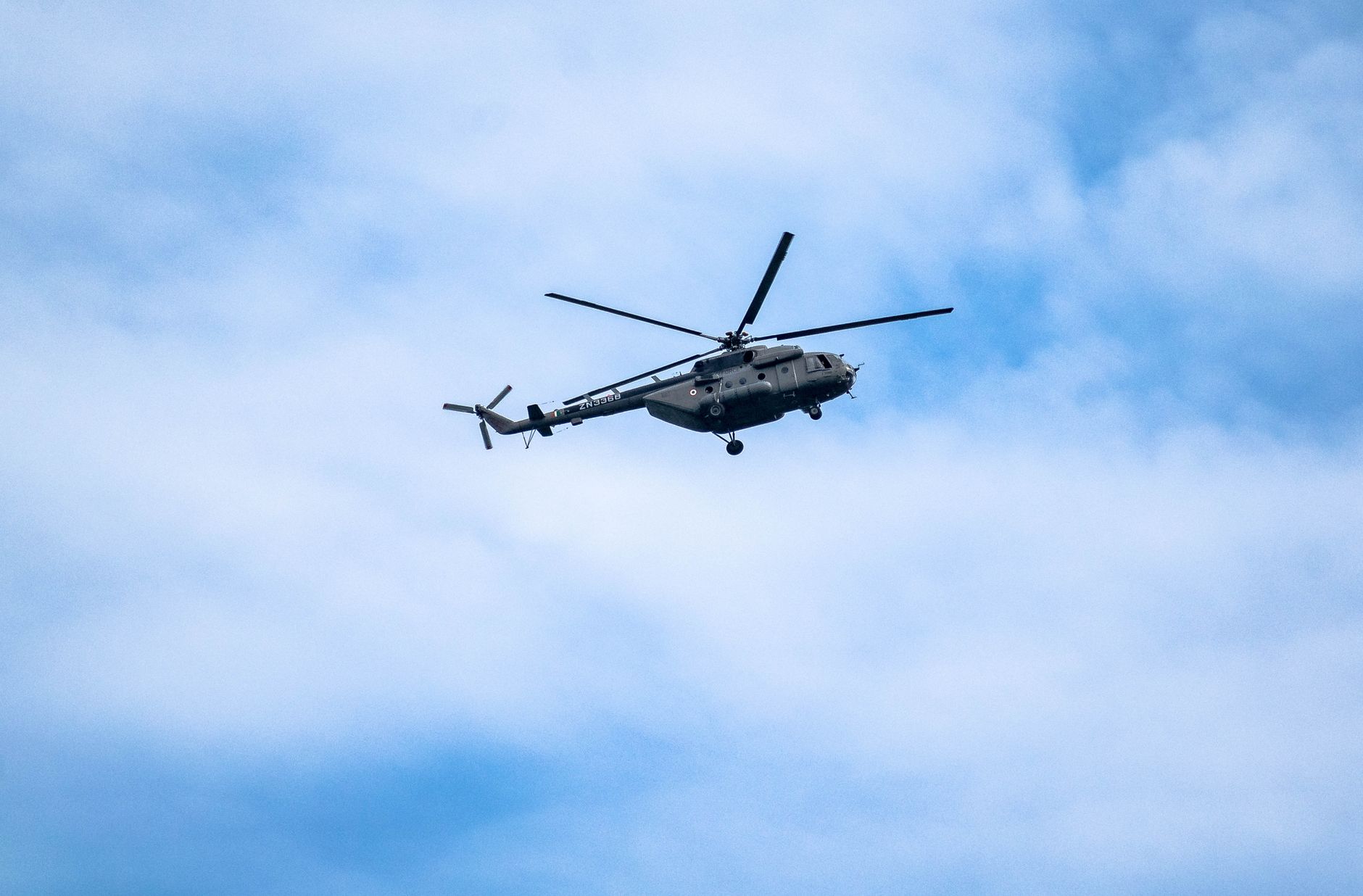
The catalyst for Thursday’s strikes came on October 19, when an AH-64E Apache flying a routine reconnaissance mission went down 18 nautical miles northeast of the Emirati coast. Iranian state media initially claimed the helicopter violated their airspace, but US officials insist it remained in international territory throughout its flight path.
Flight data recovered from a Navy vessel in the area showed the Apache was operating at 3,500 feet when it was struck by what Pentagon analysts believe was a Khordad-15 surface-to-air missile system. The crew—two pilots and two weapons officers from the 1st Battalion, 227th Aviation Regiment—had no time to eject.
Regional Tensions Mount
“We will not stand by while American servicemembers are killed in international airspace,” a senior defense official said during a Thursday briefing, speaking on condition of anonymity. “This response was measured, proportional, and designed to degrade Iran’s ability to threaten maritime navigation.”
Yet the strikes raise serious questions about whether the April ceasefire can survive. That agreement, brokered through intermediaries in Oman, had largely ended months of tit-for-tat attacks between US forces and Iranian proxies across the region. Oil markets reacted swiftly to Thursday’s news, with Brent crude jumping 4.2% to $89.70 per barrel in early trading.
Regional analysts now warn that the Strait of Hormuz—through which roughly 21% of global petroleum passes daily—could become the flashpoint for broader conflict. Iranian officials have repeatedly threatened to close the waterway during past confrontations, though they’ve never followed through. Whether this time proves different may depend on Tehran’s next move.