Philippines hit by 7.8 magnitude earthquake, tsunami warnings issued
A devastating 7.8 magnitude earthquake struck the Philippines on Thursday morning, sending tremors across multiple provinces and triggering urgent tsunami warnings throughout the region. The powerful quake, centered offshore in the Philippine Sea, marks the strongest seismic event to hit the country in 2024.
Officials confirmed that one-metre tsunami waves slammed into coastal areas within 30 minutes of the initial tremor. Power grids collapsed across affected regions, plunging thousands into darkness.
Coastal City Bears the Brunt
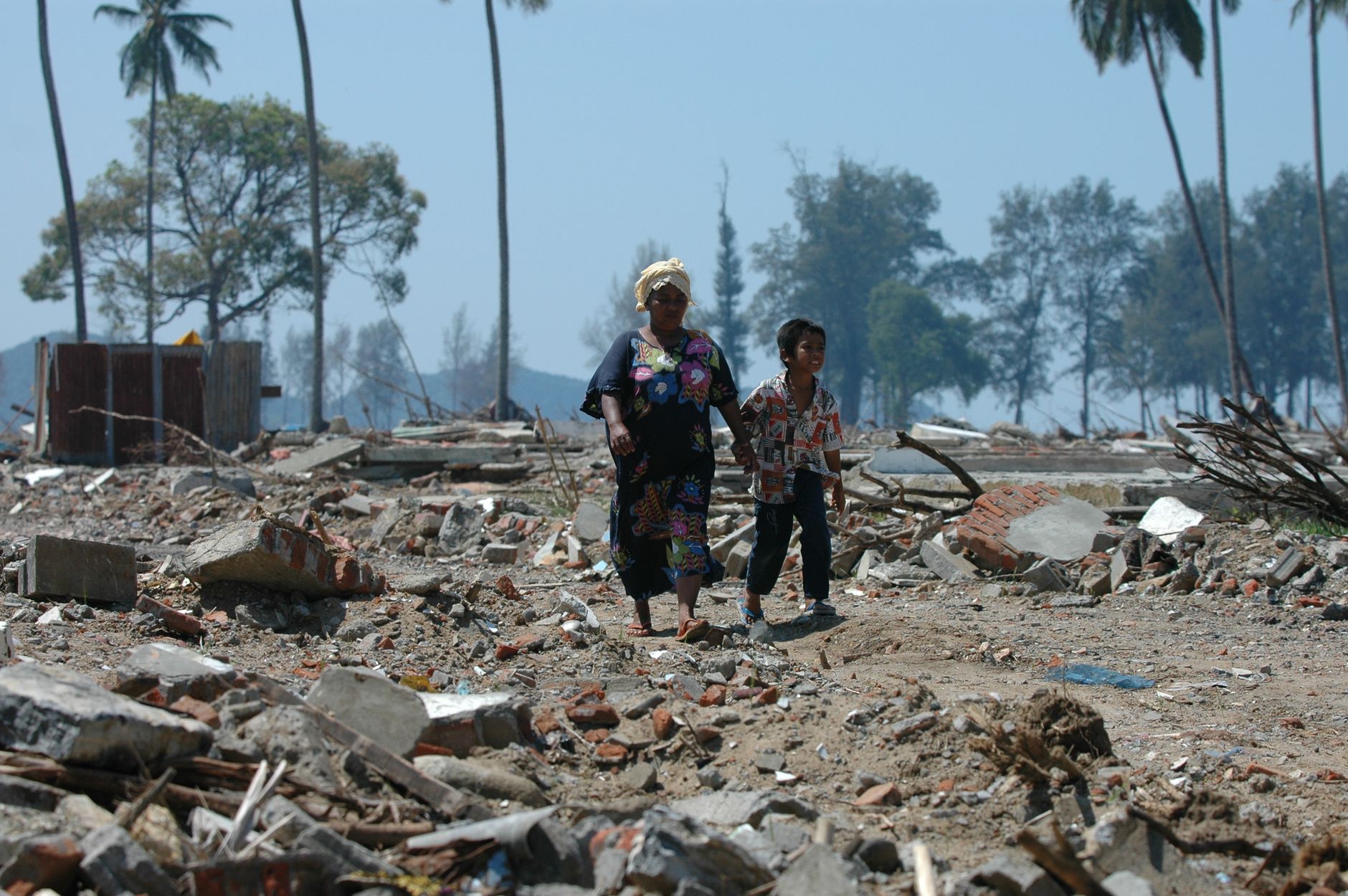
A major coastal city suffered significant structural damage as buildings swayed violently during the quake, which hit at approximately 6:47 AM local time. Residents poured into the streets in panic as the ground shook for nearly two minutes. Dozens of buildings sustained cracks and partial collapses, though full damage assessments are still underway.
The city’s port facilities took a direct hit from the tsunami waves. Fishing boats were tossed onto docks, and water surged several blocks inland in low-lying neighborhoods. But there’s been no official death toll announced yet, as emergency responders continue searching through affected areas.
Regional Alert System Activated
The Pacific Tsunami Warning Center immediately issued alerts for countries across the region, including Japan, Taiwan, and Indonesia. Coastal communities in at least five provinces were ordered to evacuate to higher ground. That’s when traffic gridlock became a secondary crisis, with thousands attempting to flee simultaneously.
“We’re treating this as a major emergency event,” a spokesperson from the National Disaster Risk Reduction and Management Council stated during a press briefing. “All available resources have been mobilized to assist affected communities, and we’re working closely with local government units to ensure public safety.”
Aftershocks Continue to Rattle Region
More than 15 aftershocks have been recorded since the main quake, with magnitudes ranging from 4.2 to 5.8. Seismologists warn that stronger aftershocks can’t be ruled out in the coming days. Schools and government offices in six provinces have been ordered closed until structural inspections can be completed.
Communication networks remain spotty in the worst-hit areas. Mobile phone towers lost power, and some sustained physical damage from the shaking. Yet emergency radio systems are functioning, allowing coordination between rescue teams and command centers.
As dawn breaks on the scale of destruction, authorities are racing against time to reach isolated coastal villages. The next 48 hours will be critical for search and rescue operations, while geologists continue monitoring seismic activity across the Philippine archipelago’s numerous fault lines.