Nine EU nations demand stricter visa rules for Russian tourists
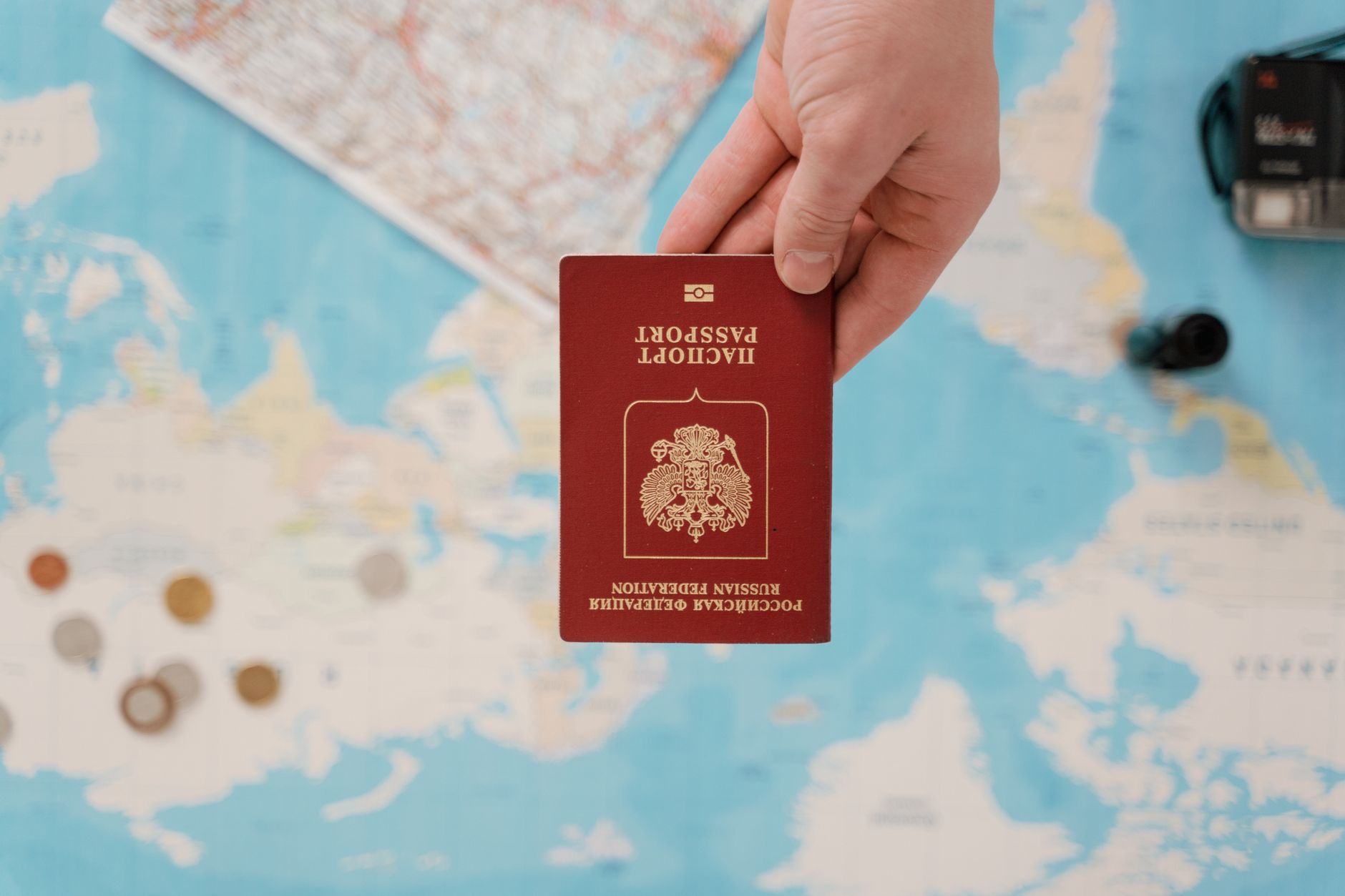
Nine European Union member states have jointly called for tougher restrictions on visa issuance to Russian tourists, marking a significant escalation in the bloc’s response to Moscow’s continued aggression in Ukraine. The push comes as European capitals grapple with the uncomfortable reality of Russian holidaymakers vacationing across the continent while war rages on European soil.
The coalition includes Estonia, Latvia, Lithuania, Poland, Finland, the Czech Republic, Denmark, the Netherlands, and Belgium. All nine countries share either geographical proximity to Russia or have experienced heightened security concerns since the invasion of Ukraine began.
Security Concerns Drive Policy Shift
Estonian officials have been particularly vocal about the issue. The country’s foreign ministry released a statement arguing that “business as usual” with Russian tourist visas sends the wrong message about European unity and resolve. Finland, which shares an 832-mile border with Russia, has reported a steady stream of Russian tourists crossing into the country despite broader sanctions packages.
But the proposal faces resistance from some EU heavyweights. Germany and France have expressed reservations about blanket visa restrictions, arguing they could punish ordinary Russians who oppose the Kremlin’s policies. That divide highlights the ongoing tension within the EU between taking a hard line on Russia and maintaining some channels for people-to-people contact.
What’s Actually on the Table
The nine countries aren’t calling for a complete visa ban. Instead, they’re pushing for stricter scrutiny of applications, longer processing times, and higher fees. They also want to suspend the 2007 EU-Russia visa facilitation agreement, which currently makes it easier and cheaper for Russians to obtain short-stay Schengen visas.
A senior EU diplomat familiar with the discussions said the proposal will likely be discussed at the next Foreign Affairs Council meeting. “There’s clearly momentum building for some kind of action,” the diplomat noted. “Whether that translates into concrete policy changes remains to be seen.”
Numbers Tell the Story
EU member states issued approximately 394,000 Schengen visas to Russian citizens in 2023, down from over 3 million in 2019 before the pandemic. Yet those numbers still rankle countries like Poland and the Baltic states, which argue any Russian tourism is inappropriate while Ukrainian cities face bombardment.
So what happens next? The proposal needs support from a qualified majority of EU member states to become policy. That’s proving difficult when major players like Germany remain unconvinced. The debate will likely intensify in coming weeks as European leaders prepare for their next summit, where Russia policy continues to dominate the agenda despite nearly two years of war.