US Military strikes Iran after Apache helicopter downed
The US military launched airstrikes against Iranian targets early Wednesday after Iran’s Revolutionary Guard Corps shot down an American Apache helicopter, killing two US soldiers and pushing tensions between the two nations to their highest point since 2023.
Defense officials confirmed that at least seven Iranian military installations were hit in the coordinated strikes, which began at approximately 2:35 a.m. local time. The targets included three radar sites, two coastal defense batteries, and naval facilities near Bandar Abbas. Satellite imagery verified significant damage to at least four locations.
Apache Crew Lost in Strait of Hormuz
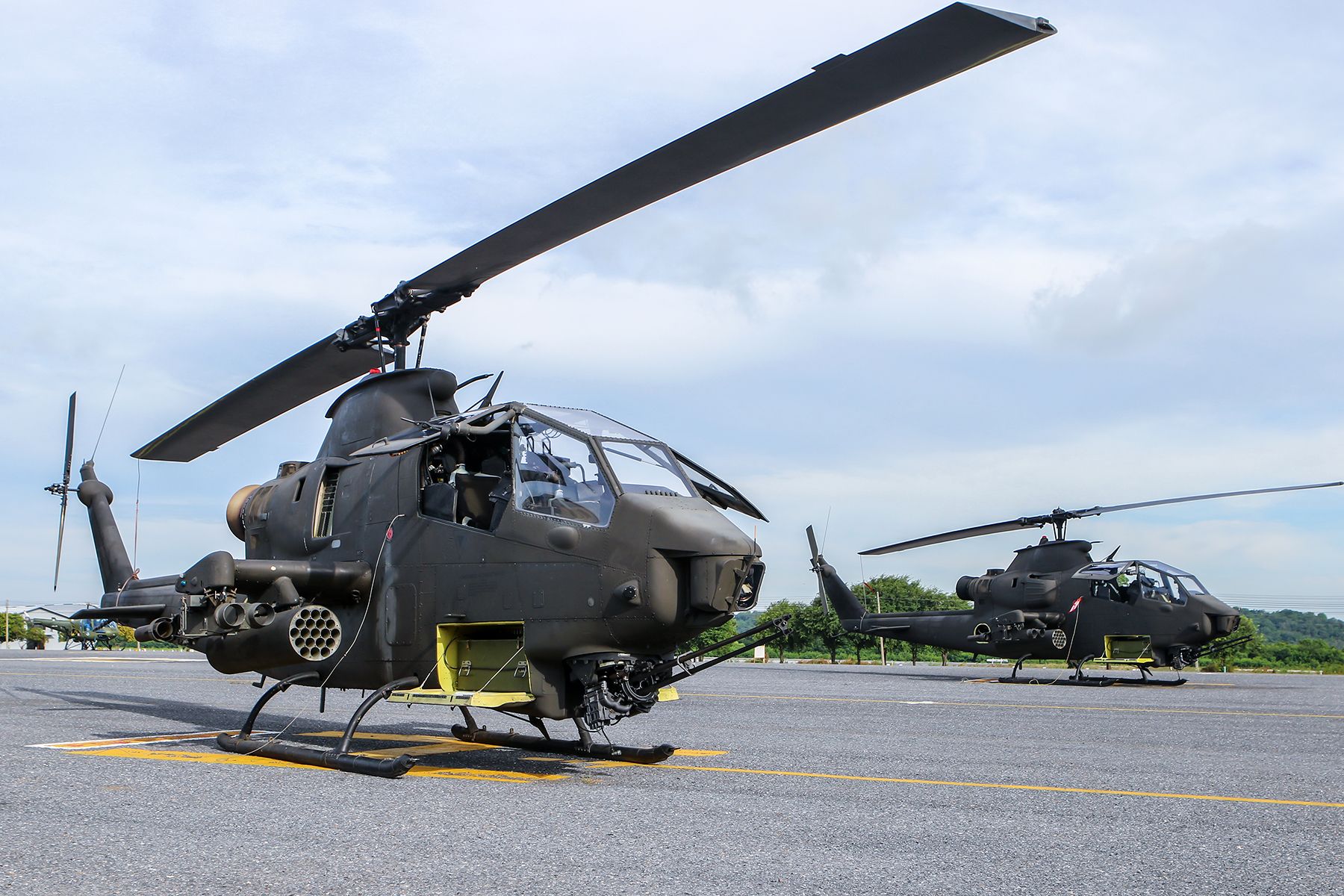
The AH-64E Apache helicopter went down Tuesday evening during what the Pentagon described as a routine patrol operation over international waters. Iranian forces claimed the aircraft had violated their airspace—a charge US Central Command categorically denied. Both crew members, identified as Chief Warrant Officer Marcus Chen, 34, and Chief Warrant Officer Sarah Mitchell, 29, were killed instantly.
It didn’t take long for Washington to respond.
President’s administration convened an emergency National Security Council meeting within three hours of the downing. By midnight Eastern time, US forces had received authorization to strike. B-52 bombers from Al Udeid Air Base in Qatar, along with Navy destroyers USS Carney and USS Roosevelt, carried out the operation. Approximately 45 precision-guided munitions were deployed across the target set.
Regional Allies on High Alert
The strikes prompted immediate reactions across the Middle East. Israel raised its military alert status to Level 3, while Saudi Arabia called for restraint from both sides. UAE authorities temporarily closed airspace over the northern emirates for commercial traffic.
“The United States will not tolerate attacks on our service members,” a senior Defense Department official stated in a briefing. “These strikes were proportional, precise, and aimed solely at degrading Iran’s ability to threaten freedom of navigation in the Strait of Hormuz.”
Iranian state media reported casualties but didn’t provide specific numbers. The Foreign Ministry in Tehran promised “severe consequences” and summoned diplomatic representatives from several Western nations.
What Comes Next
Crude oil prices jumped 6.3% in early Asian trading as markets absorbed news of the confrontation. The Strait of Hormuz handles roughly 21 million barrels of oil daily—about 21% of global petroleum consumption.
Pentagon officials say additional US assets are moving into the region. The aircraft carrier USS Abraham Lincoln, currently in the Arabian Sea, has been ordered to maintain position indefinitely. Defense Secretary Lloyd Austin cut short a European trip and was returning to Washington.
But whether this represents a one-time response or the beginning of sustained military operations remains unclear. The White House hasn’t ruled out further action if Iran retaliates, setting up a potential cycle of escalation that both nations have carefully avoided for years.