US strikes on Iran kill 50 as Israel vows powerful response
The United States launched a new wave of military strikes against Iran on Saturday, killing at least 50 people and wounding 517 others, according to Iranian officials. The attacks marked a sharp escalation in regional tensions as Israel simultaneously vowed a “powerful” response to Tehran following weeks of cross-border hostilities.
What triggered the US strikes
Washington said the strikes were direct retaliation for an Iranian-backed attack on a US military base in Jordan earlier this week. That assault killed two American service members, left one soldier missing, and injured four others. It’s the deadliest single incident targeting US forces in the region in recent memory, and the Biden administration made clear it wasn’t going to let it go unanswered.
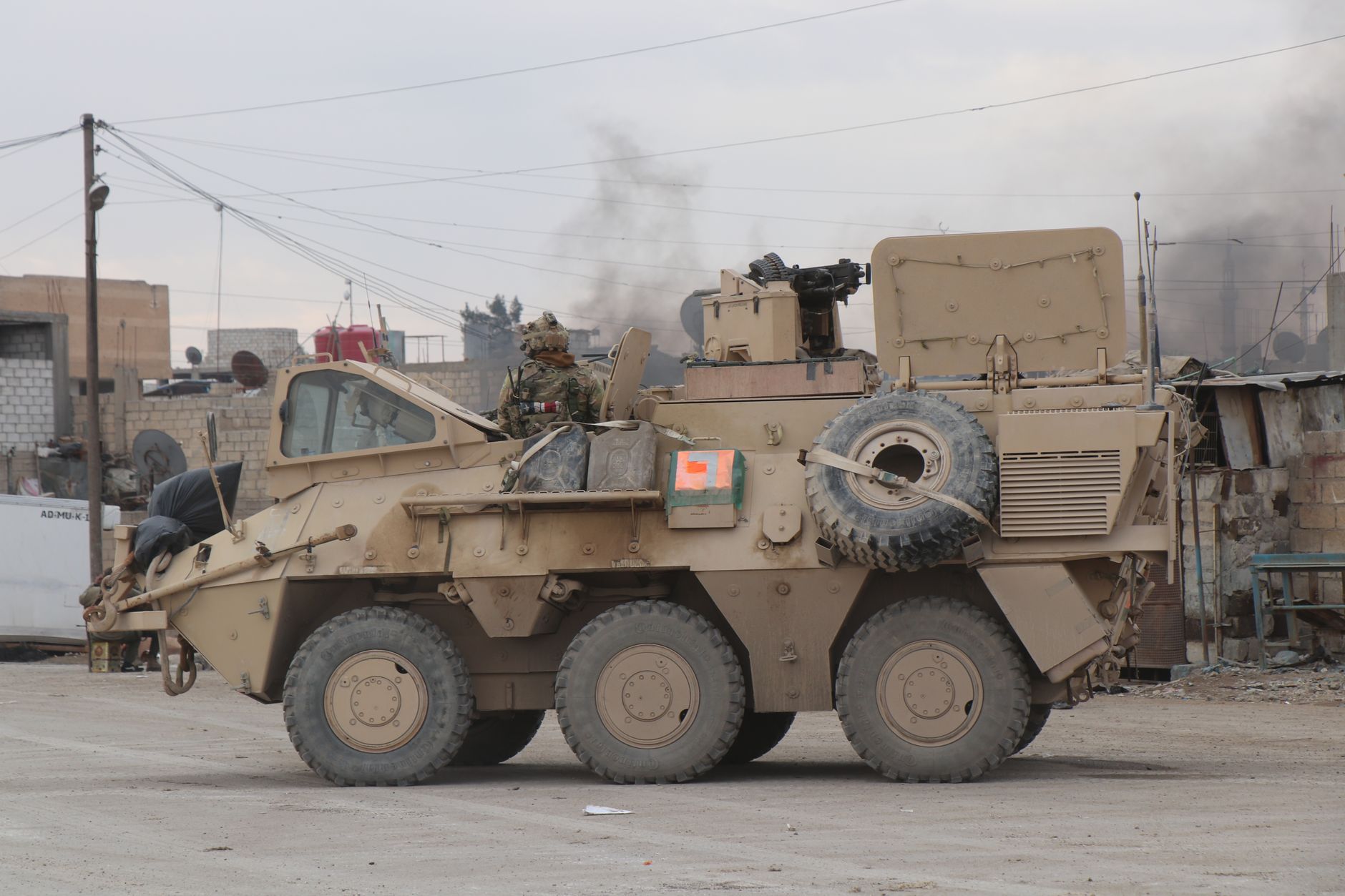
US Central Command confirmed the strikes hit multiple locations, targeting what officials described as weapons storage facilities, command centers, and personnel linked to Iran-backed militia groups. The operations involved long-range bombers and naval assets already positioned in the region.
Iran’s response and casualty figures
Iranian state media reported the 50 deaths and 517 wounded late Saturday, though those numbers couldn’t be independently verified. Tehran condemned the strikes as an act of aggression and promised consequences. But Iran stopped short of announcing any immediate military action, a posture analysts found telling.
“The Islamic Republic will not allow this criminal act to go unanswered,” a senior Iranian official said in a statement broadcast on state television.
Still, the language was measured compared to previous Iranian declarations, suggesting Tehran may be calculating its next move carefully rather than responding impulsively.
Israel enters the equation
The situation grew more volatile as Israeli officials pledged a “powerful” response to recent Iranian missile and drone activity. Israel’s defense minister addressed the nation Saturday evening, warning that any further aggression from Tehran would be met with force that Iran “hasn’t seen before.”
That’s a significant statement.
Israel and the US aren’t formally coordinating their responses under a single operational command, but the parallel escalations create a two-front pressure on Iran that diplomats in the region described as deeply worrying. European officials called for immediate de-escalation, and the UN Secretary-General urged all parties to step back from the brink.
What comes next
The Pentagon hasn’t ruled out additional strikes. Senior defense officials told reporters Saturday that the US would continue to respond to any attacks on American personnel or assets in the region. And with the missing US service member still unaccounted for, the pressure on the administration to act further remains intense.
Iran’s proxies in Iraq, Syria, and Yemen are all watching how Tehran responds before deciding their own next moves. So are the roughly 40,000 US troops currently deployed across the Middle East. The next 48 to 72 hours will likely determine whether this becomes a contained exchange or something much harder to walk back.