Venezuela oil deal: Trump claims control over 65bn barrels
Donald Trump has announced what he’s calling a landmark Venezuela oil deal that would hand the United States effective control over an estimated 65 billion barrels of Venezuelan crude — one of the largest untapped reserves on the planet. The president described the arrangement as “historic” and said it would bring “massive wealth” back to the American people, though critics are already questioning the legal and geopolitical complexity of the agreement.
What’s actually in the deal
Details remain thin, but the broad outline is striking. Under the arrangement, American energy companies would gain preferential access to Venezuela’s oil fields, with Washington taking a supervisory role over extraction and export operations. The deal reportedly includes a revenue-sharing structure that would funnel a significant portion of profits back to Caracas. Venezuelan interim president Edmunda Carreño, who has been navigating a fragile transition from the Maduro era, confirmed the framework in a statement from Caracas on Tuesday.
“This agreement is not a surrender of sovereignty — it’s a lifeline,” she said. “Venezuela’s oil belongs to its people, and this partnership will finally let us develop it for their benefit.”
Why Venezuela said yes
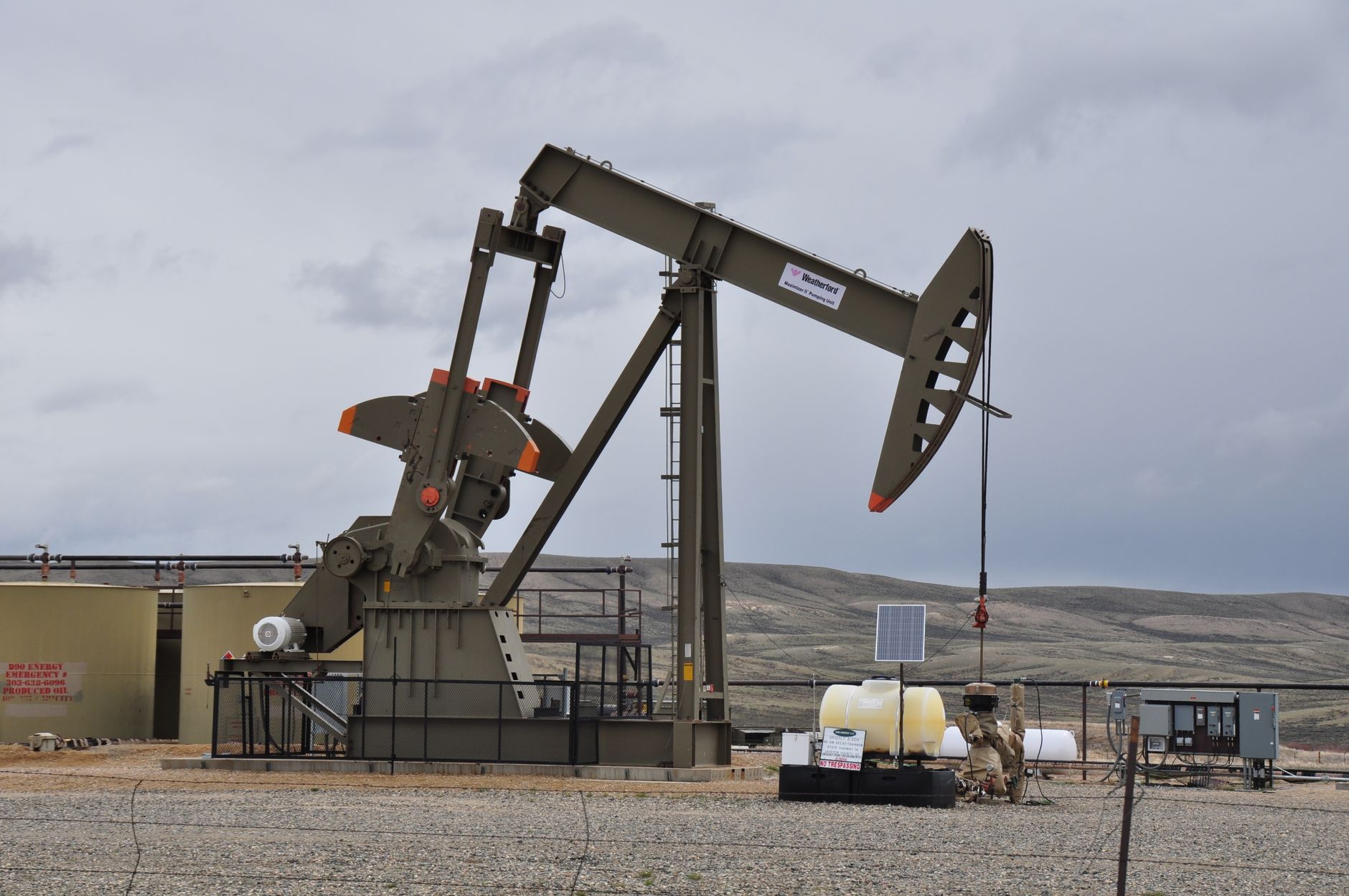
The country’s economy has been in freefall for years. Hyperinflation, U.S. sanctions, and chronic underinvestment have gutted oil production, which once topped 3.2 million barrels per day but has cratered to roughly 800,000 in recent years. So the calculus in Caracas was, in many ways, straightforward. Venezuela needs capital, technical expertise, and — critically — relief from the sanctions regime that has strangled its financial access to global markets.
And Washington apparently offered all three.
The Trump administration signaled it would ease certain oil-related sanctions as part of the package, a significant concession that would allow Venezuela to sell crude more freely on international markets while American firms take the lead in ramping up production.
Skeptics aren’t convinced
But not everyone’s buying the optimism. Energy analysts pointed out that 65 billion barrels sounds extraordinary — because it is. Venezuela holds the world’s largest proven oil reserves, estimated at around 300 billion barrels, but much of it is heavy crude that’s expensive and technically difficult to extract. Getting anywhere near full production capacity would require tens of billions in infrastructure investment and years of work.
Still, even a partial recovery would carry enormous strategic weight.
Geopolitically, the deal would mark a dramatic repositioning of Venezuela — a country that spent two decades under Hugo Chávez and Nicolás Maduro as a symbol of anti-American leftism — firmly into Washington’s orbit. Russia and China, both of which have significant loans and investments tied to Venezuelan oil, won’t be pleased.
What comes next
Congressional oversight, legal challenges from creditors, and the sheer logistical scale of the operation mean this deal faces a long road before any oil actually flows under its terms. The Trump administration says it expects formal agreements to be signed within 60 days. Whether that timeline holds — in Venezuela, nothing ever quite runs on schedule — remains to be seen.