Jordan intercepts Iranian missiles over its airspace
Jordan’s military intercepted multiple Iranian missiles passing through its airspace early Tuesday morning, marking the latest incident in the kingdom’s efforts to maintain neutrality while protecting its territorial integrity amid escalating regional tensions.
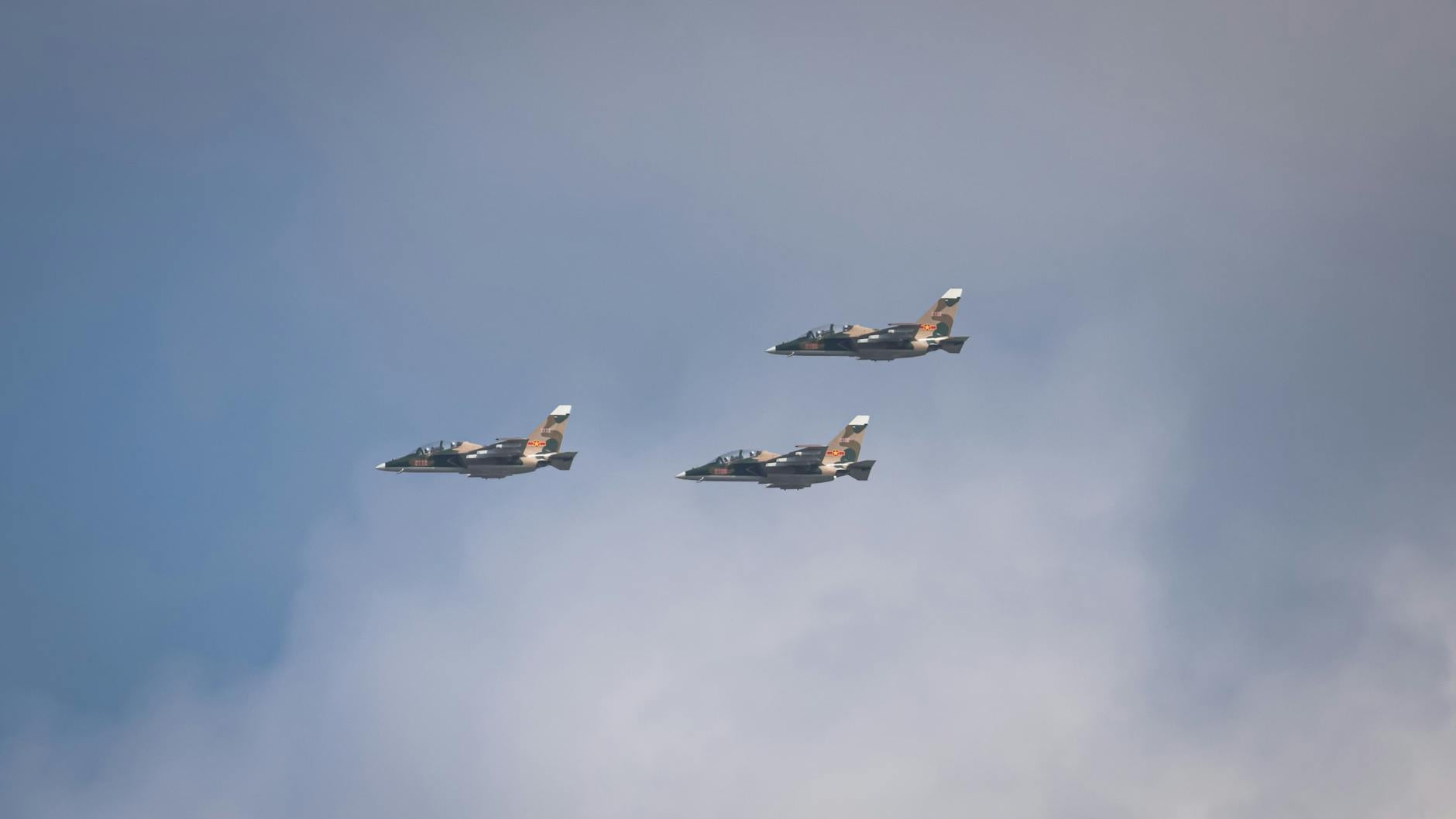
The Royal Jordanian Air Force scrambled fighter jets around 3:20 a.m. local time after detecting at least seven projectiles entering Jordanian airspace from the east. Military radar systems tracked the missiles for approximately 12 minutes before air defense units successfully neutralized them over sparsely populated desert regions in the country’s eastern territories.
Strategic Position Tests Neutrality
Jordan finds itself in an increasingly difficult position. The kingdom shares borders with Iraq, Syria, Israel, and Saudi Arabia, making its airspace a crucial corridor for potential missile trajectories between Iran and targets further west. It’s a geographical reality that’s forced Amman to maintain a delicate balancing act between regional powers.
This wasn’t the first time Jordan has faced this dilemma. In April, the country’s air force intercepted Iranian drones headed toward Israel, drawing criticism from some quarters but praise from Western allies. Yet King Abdullah II has consistently emphasized that Jordan’s actions are purely defensive, aimed at protecting Jordanian citizens rather than taking sides.
Regional Implications
A senior Jordanian official, speaking on condition of anonymity, stated: “Jordan will not allow its airspace to be used as a battleground. We have a responsibility to our citizens and our sovereignty. Any projectile entering our territory without authorization will be dealt with accordingly.”
The interceptions come at a time when tensions between Iran and its regional adversaries remain at heightened levels. Intelligence sources suggest Iranian missile capabilities have expanded significantly, with ranges now exceeding 2,000 kilometers. That puts multiple regional capitals within striking distance.
International Response
Washington quickly praised Jordan’s defensive actions. The Pentagon confirmed it had provided real-time intelligence support to Jordanian forces during the incident, though officials wouldn’t elaborate on specifics. Jordan hosts approximately 3,000 American troops and serves as a key partner in regional security operations.
But the incident also raises questions about the kingdom’s long-term security strategy. Jordan’s military budget stands at roughly $2.4 billion annually, a fraction of what its neighbors spend. The country relies heavily on American and European military assistance to maintain its air defense systems.
As regional dynamics continue shifting, Jordan’s role as a buffer state becomes both more critical and more precarious. How long the kingdom can maintain its neutral stance while actively defending its airspace remains an open question that will likely define Middle Eastern geopolitics in the months ahead.