US strikes Iran after helicopter crash in Gulf tensions
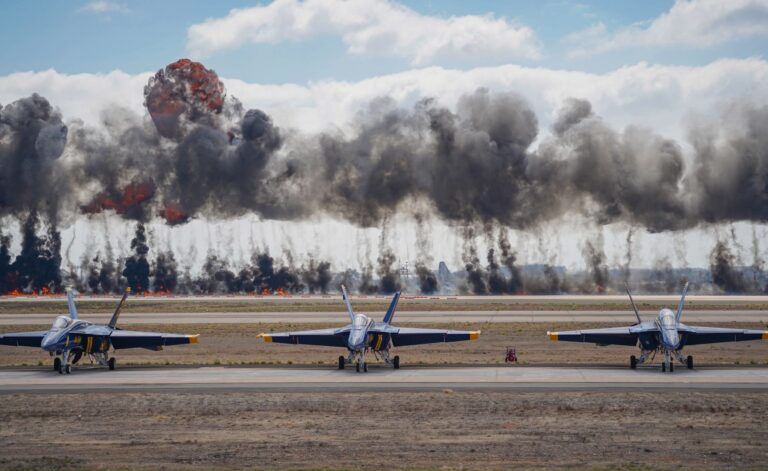
The United States launched military strikes against Iranian targets on Tuesday after an Army helicopter crashed near the Strait of Hormuz, an incident President Donald Trump swiftly blamed on Tehran despite Iran’s denials. The attacks mark a dangerous escalation in the volatile region, with Iranian state media reporting multiple explosions on Qeshm Island shortly after the US announced what it called a “proportional response.”
Helicopter Crash Sparks Military Response
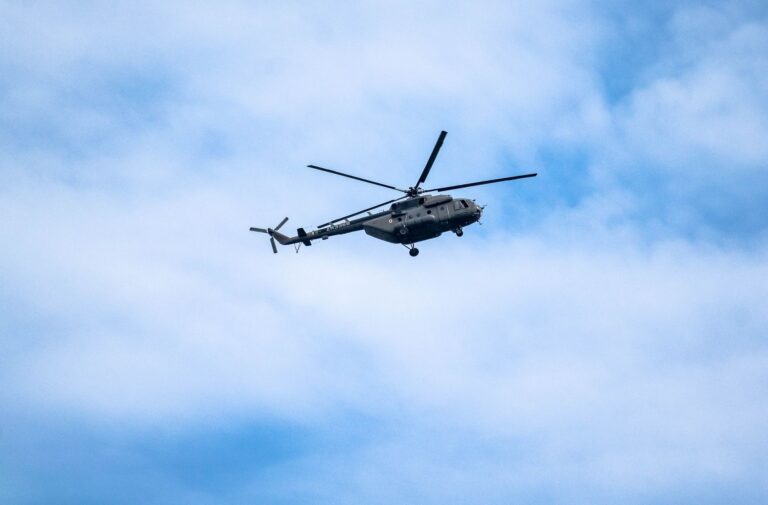
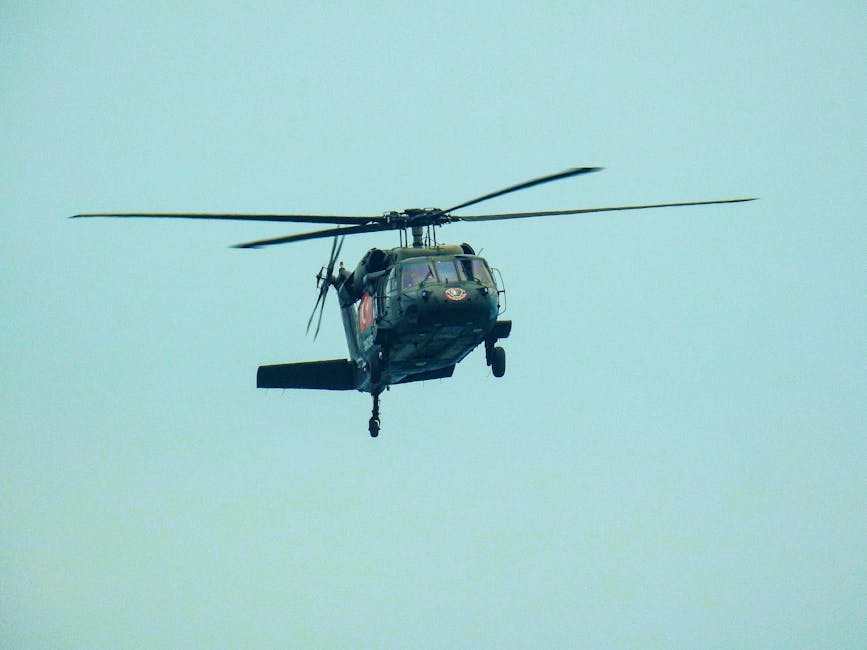
The Army MH-60 Black Hawk helicopter went down around 3:45 a.m. local time with four crew members aboard. Three were rescued by Navy vessels operating in the area, but one remains missing. Trump, speaking to reporters at the White House, claimed Iran was responsible without providing immediate evidence.
“They shot down our helicopter,” Trump said. “We’re not going to stand for it.”
Iran’s Foreign Ministry rejected the accusation within hours, calling it “baseless and provocative.” But that didn’t stop Pentagon officials from authorizing strikes on what they described as coastal radar installations and military facilities on Qeshm Island, a strategic location at the mouth of the Persian Gulf.
Proportional or Provocative?
The US military said it targeted three sites linked to Iran’s Islamic Revolutionary Guard Corps naval forces. Defense officials, speaking on condition of anonymity, estimated the strikes destroyed two radar stations and damaged a drone facility. They insisted the response was measured and designed to degrade Iran’s ability to threaten maritime traffic in one of the world’s most critical shipping lanes.
Yet Iran sees it differently. Tehran’s UN ambassador warned of “serious consequences” and said his country reserves the right to defend itself. Iranian state television showed footage of fires burning at what appeared to be military installations, though independent verification wasn’t immediately possible.
Regional tensions have simmered for months. This latest confrontation could push them to a boil.
International Concerns Mount
European allies urged restraint from both sides. Britain’s Foreign Secretary called for de-escalation, while France requested an emergency UN Security Council meeting. And oil markets reacted predictably—Brent crude jumped 4.2% in early trading as traders factored in potential supply disruptions.
The Strait of Hormuz handles roughly 21 million barrels of oil daily, about 21% of global petroleum consumption. Any sustained conflict there would send shockwaves through the world economy.
A Pentagon spokesperson said the US doesn’t seek wider conflict but won’t hesitate to protect its forces. “We’re prepared to respond to further Iranian aggression,” the official stated. “But we’re also leaving the door open for diplomacy.”
That door looks increasingly narrow. With Iran promising retaliation and Trump showing little appetite for backing down, the coming days will test whether cooler heads can prevail or whether the region slides toward a broader confrontation neither side claims to want but both seem willing to risk.