UN staff deaths in Gaza exceed half of 2025 total, Chief says
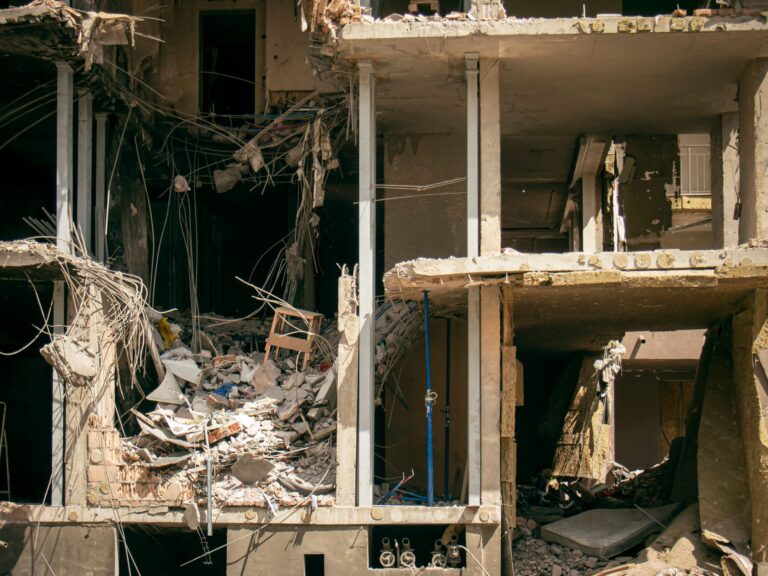
More than half of the 136 United Nations personnel who died in service during 2025 were working in Gaza, Secretary-General António Guterres revealed Monday at the organization’s annual memorial ceremony in New York.
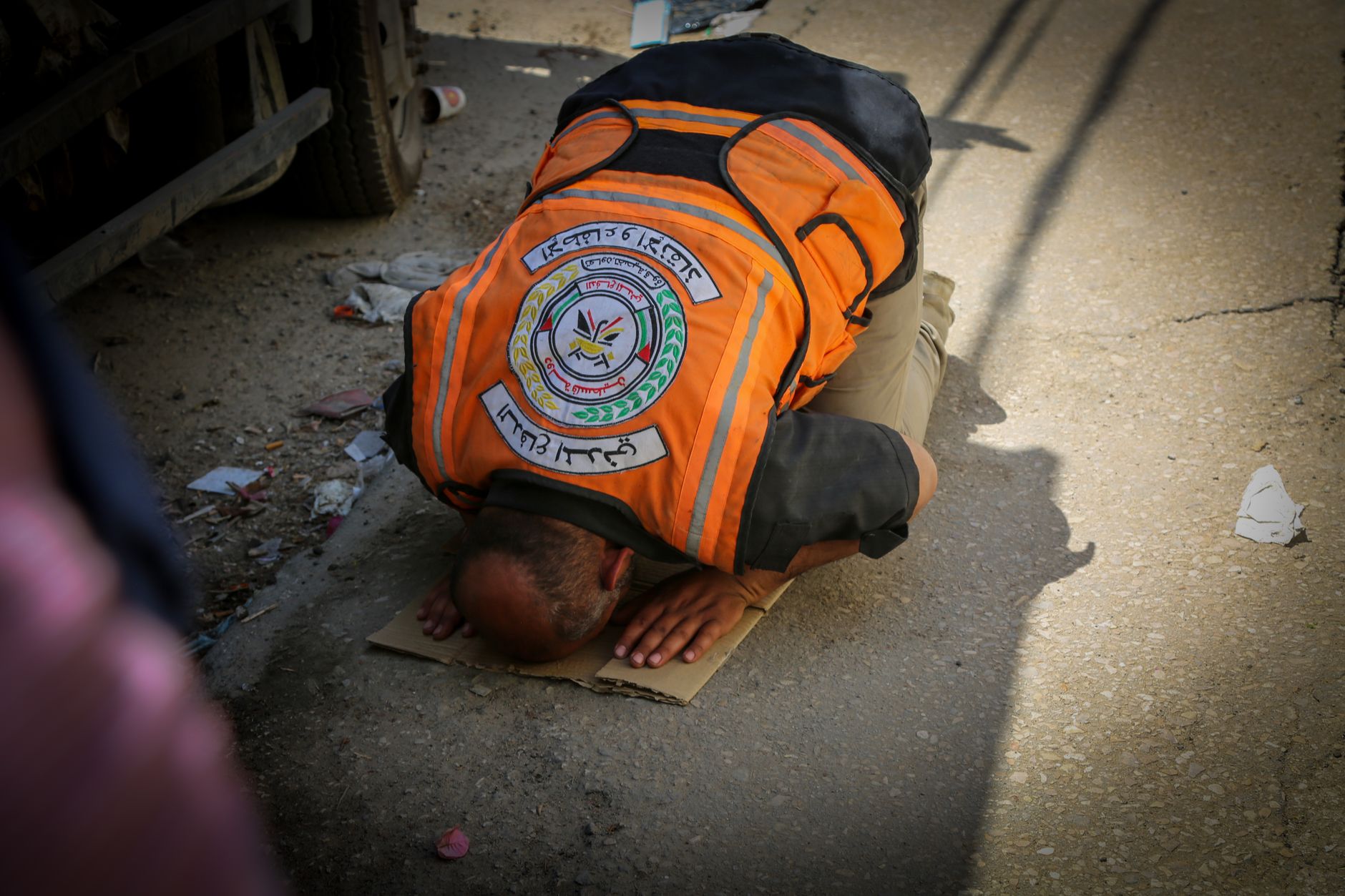
The stark figure underscores the deadly toll on humanitarian workers in the Palestinian territory, where UN staff continued operations despite escalating dangers. From peacekeepers stationed in conflict zones to mathematics teachers running schools in refugee camps, the ceremony honored personnel who lost their lives serving communities worldwide.
Gaza Operations Prove Deadliest
Guterres didn’t mince words during the somber gathering. “The majority of our fallen colleagues—more than 70—were serving the people of Gaza,” he told assembled diplomats and UN staff members. “They were teachers, health workers, engineers. They were feeding the hungry and caring for the sick.”
The deaths in Gaza represent the highest concentration of UN casualties in a single location in recent memory. And they came despite repeated calls for the protection of humanitarian workers under international law.
Most of the Gaza casualties were employees of the UN Relief and Works Agency, which operates schools, clinics, and food distribution centers across the territory. But other UN agencies also lost staff members as they attempted to deliver aid and maintain essential services.
Global Toll Spans Continents
Beyond Gaza, the remaining casualties came from peacekeeping missions in Africa and the Middle East, development programs in Asia, and refugee operations in multiple regions. Twenty-three of those killed were peacekeepers serving in places like Sudan, the Democratic Republic of Congo, and Lebanon.
The ceremony, held each year to commemorate staff who died between January and December, featured a moment of silence and the reading of names. Family members of some victims attended remotely via video link.
Calls for Better Protection
Several diplomats present at the ceremony called for renewed efforts to protect humanitarian workers. Yet concrete measures remain elusive as conflicts continue to intensify in multiple regions.
“We cannot accept that serving humanity has become so dangerous,” one senior UN official said after the ceremony, speaking on condition of anonymity. “These weren’t soldiers. They were teachers and nurses doing their jobs.”
The UN has documented increasing attacks on its facilities and personnel over the past three years. Staff unions have pressed leadership to reconsider operations in high-risk areas, though the organization maintains it won’t abandon populations in need.
So the work continues, even as the memorial plaques grow longer. Next year’s ceremony, officials acknowledged, will likely honor many more names as conflicts show no signs of abating and humanitarian needs keep growing in Gaza and beyond.