Afghanistan faces ‘lost generation’ as Taliban rule deepens
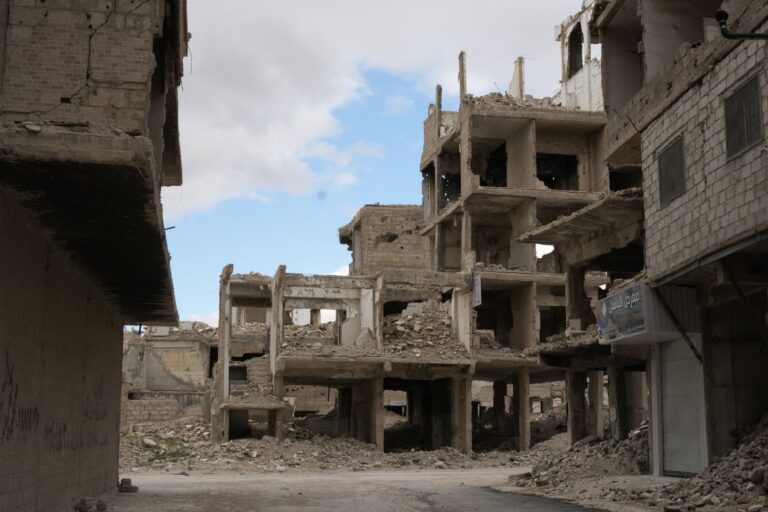
Afghanistan is hurtling toward a “lost generation of talent and potential” as humanitarian conditions deteriorate under Taliban rule, senior UN officials warned the Security Council on Monday. The stark assessment comes as restrictions on women and girls, combined with a collapsing economy, threaten to reverse decades of development gains.
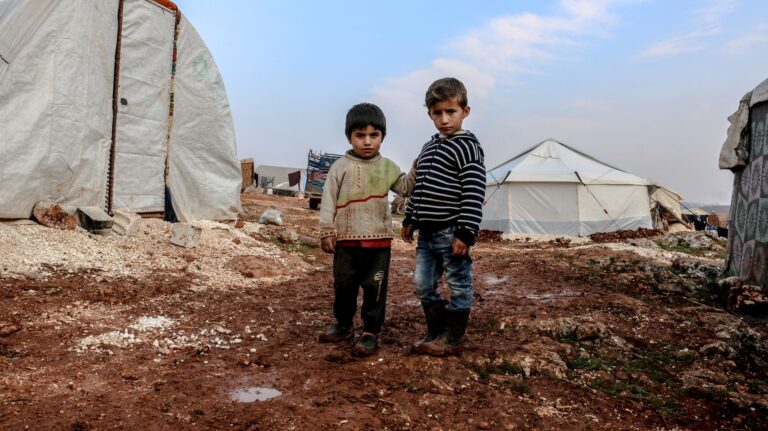
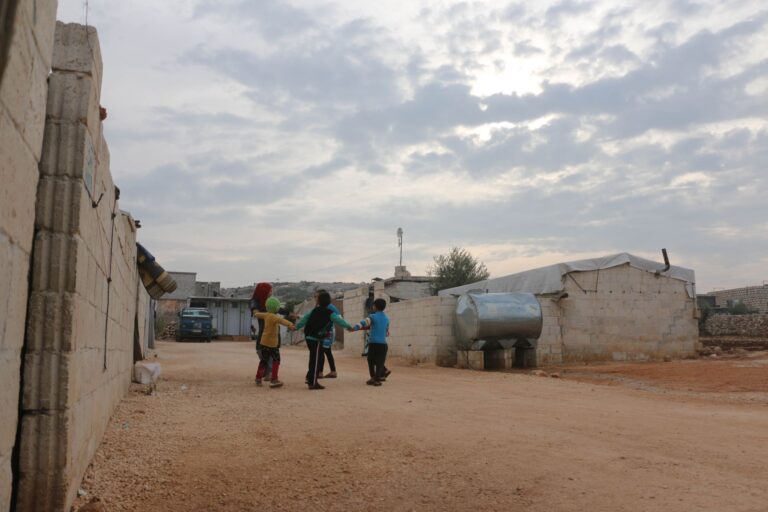
Despite relative calm compared to previous years of conflict, the situation on the ground tells a different story. More than 23 million Afghans—roughly half the population—now require humanitarian assistance, up from 18 million before the Taliban takeover in August 2021.
Women Bear the Brunt
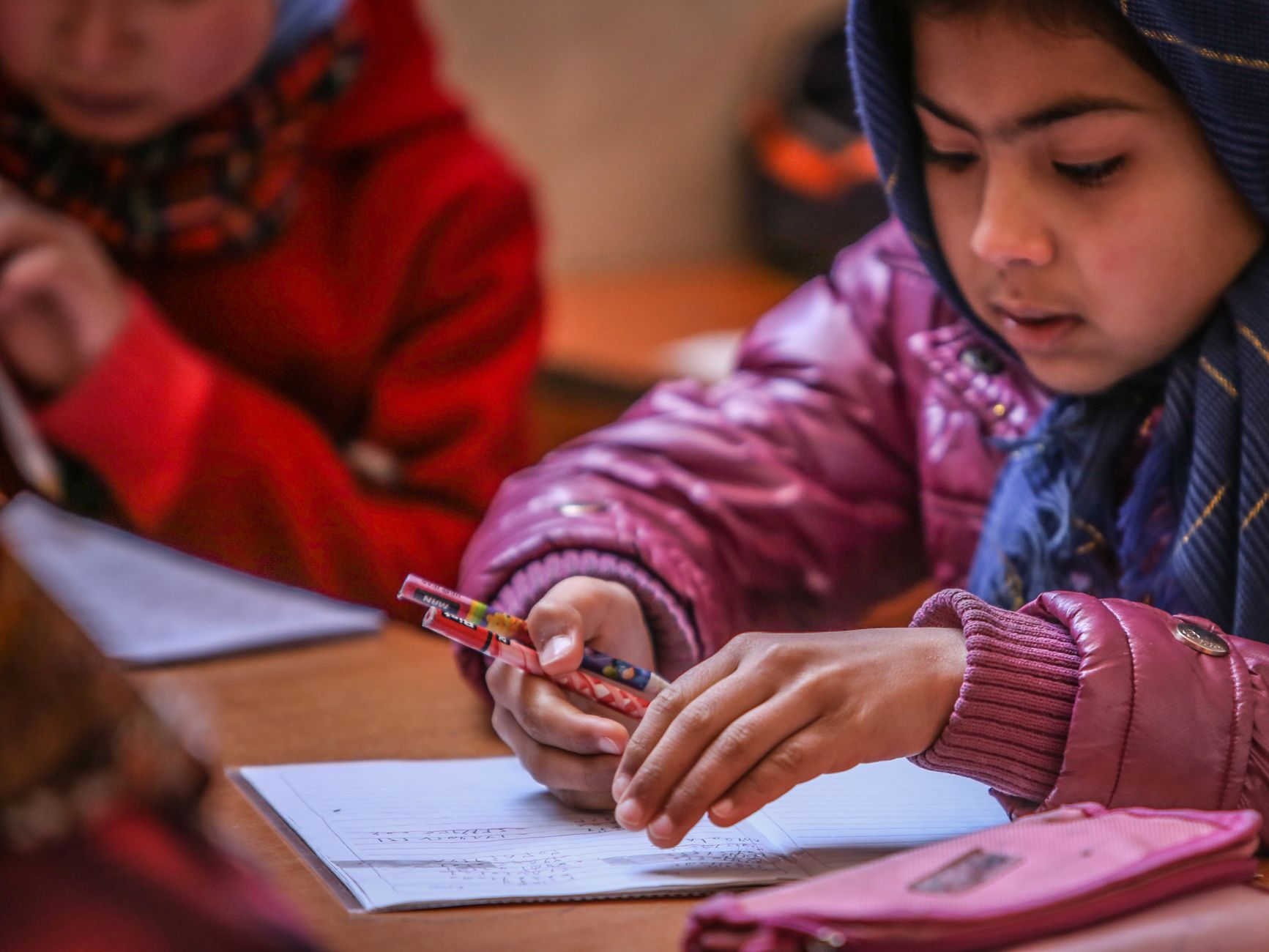
The Taliban’s systematic erasure of women from public life has accelerated. Girls remain barred from secondary schools in most provinces. Women can’t work in most sectors, can’t travel freely without male guardians, and face severe restrictions on healthcare access. It’s not just a rights issue—it’s an economic catastrophe.
“We’re watching an entire generation of educated women disappear from society,” one UN representative told the Council. “Teachers, doctors, engineers—their skills are being wasted while the country desperately needs them.”
The brain drain has been massive. An estimated 8 million Afghans have fled since 2021, many of them the country’s most educated and skilled workers.
Economic Freefall Continues
Afghanistan’s economy has contracted by roughly 27% since the Taliban’s return to power. International sanctions, frozen assets, and the loss of foreign aid have created a perfect storm. But the restrictions on women make things worse—the World Bank estimates that excluding women from the workforce costs Afghanistan up to $1 billion annually, about 5% of GDP.
Unemployment has soared past 40% in urban areas. Families are selling possessions to buy food. Malnutrition rates among children have spiked to alarming levels, with more than 3 million kids under five facing acute malnutrition.
International Community at a Crossroads
The Council faces a thorny dilemma. Humanitarian aid keeps flowing—donors provided $3.2 billion in assistance last year—yet engaging with the Taliban remains politically toxic. No country has formally recognized the Taliban government, and prospects for recognition appear dim given their policies on women’s rights.
Still, civil society representatives urged pragmatism. They argued that isolating Afghanistan completely won’t help ordinary Afghans, especially women and children who suffer most under current conditions.
As winter approaches and the humanitarian crisis deepens, the international community must decide whether its current approach is sustainable. The cost of inaction, officials warned, will be measured in lost lives, wasted potential, and a generation of young Afghans who won’t forget being abandoned.