Iran fires missiles at Jordan, Kuwait, Bahrain after US strikes
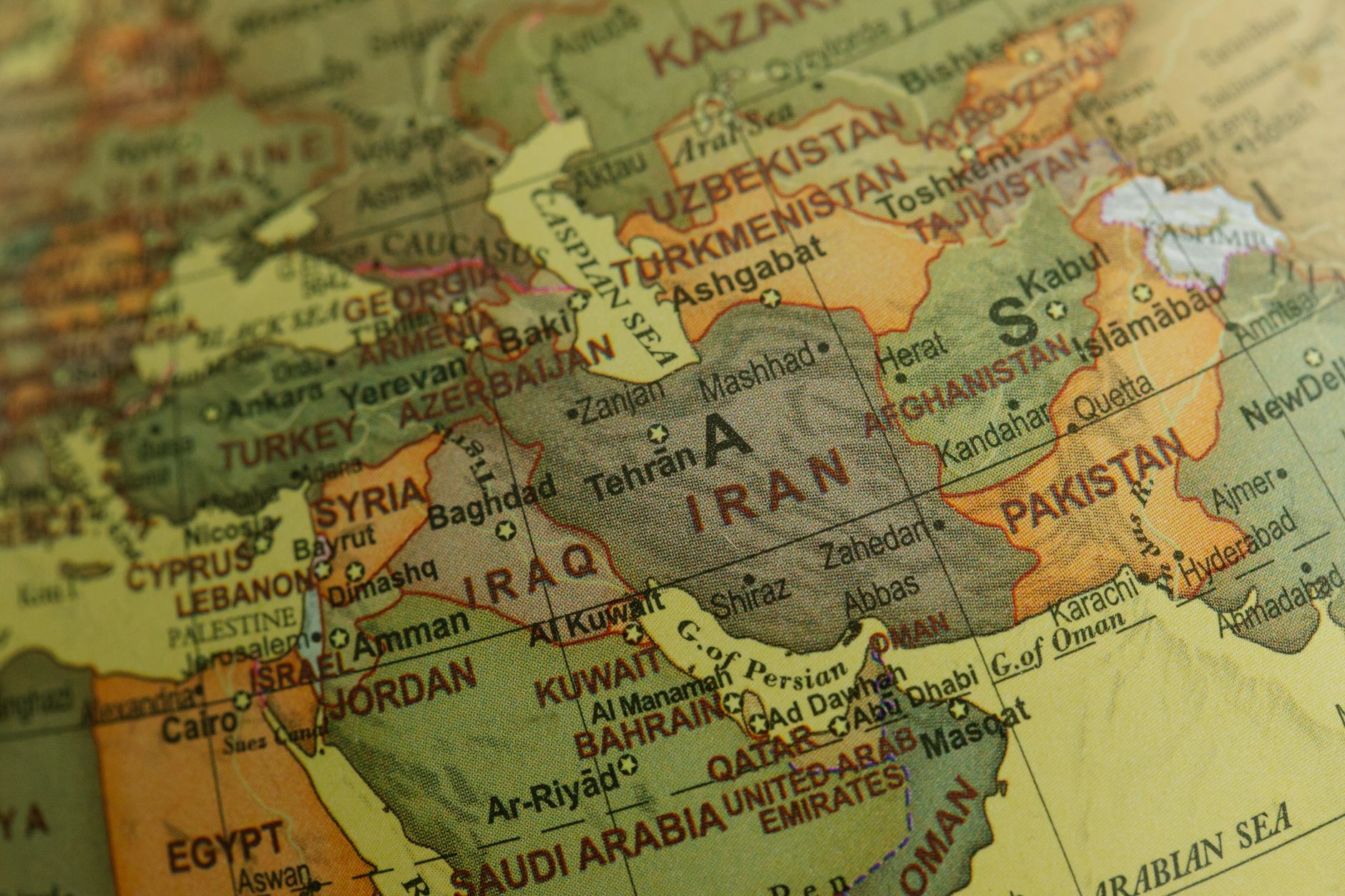
Tehran launched a barrage of missiles at three Arab nations early Thursday morning, marking a dangerous escalation in Middle Eastern tensions after the United States struck Iranian air defense installations near the strategically vital Strait of Hormuz.
Jordan’s military intercepted five ballistic missiles targeting areas near Azraq, where Muwaffaq Salti Air Base hosts both Jordanian and American forces. Meanwhile, Kuwait and Bahrain activated their air defense systems to engage incoming fire, though officials in both countries didn’t immediately confirm how many missiles were intercepted or if any struck their territories.
Retaliation for Hormuz Strikes
The Iranian missile attacks came less than twelve hours after US forces destroyed at least seven radar installations and surface-to-air missile batteries along Iran’s southern coast. Pentagon officials said the strikes aimed to secure freedom of navigation through the Strait of Hormuz, through which roughly 21 million barrels of oil pass daily—about one-fifth of global petroleum consumption.
But Iran’s response targeted nations that host American military personnel and facilities, not US forces directly.
“This was a calculated move by Tehran to send a message without directly attacking American soil or ships,” said a senior Western defense official speaking on condition of anonymity. “They’re raising the stakes while trying to avoid triggering an automatic military response from Washington.”
Regional Defenses Activated
Jordan’s armed forces reported no casualties or damage from the intercepted missiles, which were brought down over unpopulated desert areas roughly 65 miles east of Amman. The kingdom has maintained a delicate balancing act between its security partnership with Washington and avoiding direct confrontation with Tehran.
Kuwait’s Ministry of Defense said its Patriot missile batteries engaged targets over the northern Persian Gulf but provided no additional details. Bahrain, home to the US Navy’s Fifth Fleet headquarters, similarly confirmed defensive operations were underway but hasn’t released casualty or damage assessments.
Oil Markets React
Brent crude prices jumped 7.3% in early Asian trading, reaching $89.40 per barrel as investors absorbed the potential threat to Gulf energy infrastructure. Global shipping companies haven’t yet announced route changes, but insurance premiums for vessels transiting the region increased sharply.
The attacks represent Iran’s most direct military action against Arab Gulf states in over three years. So far, neither Saudi Arabia nor the United Arab Emirates have reported being targeted, though both nations placed their defense forces on heightened alert.
Washington hasn’t announced whether it will conduct additional strikes in response to Iran’s missile launches. Yet with American personnel stationed across all three targeted countries, pressure is mounting on the White House to demonstrate resolve while avoiding a broader regional war that could disrupt global energy supplies and draw in additional actors.