Strait of Hormuz closed by Iran as US nuclear talks face crisis
Iran announced Saturday it had shut the Strait of Hormuz to international shipping, escalating an already volatile standoff with the West just days before scheduled nuclear negotiations in Switzerland. Tehran cited Israel’s ongoing military campaign in Lebanon as justification, warning that talks in Geneva won’t move forward unless the bombardment stops. President Donald Trump fired back within hours, threatening to impose U.S.-controlled tolls on all vessels passing through the waterway if a final nuclear deal isn’t reached within 60 days.
A chokepoint that the world can’t ignore
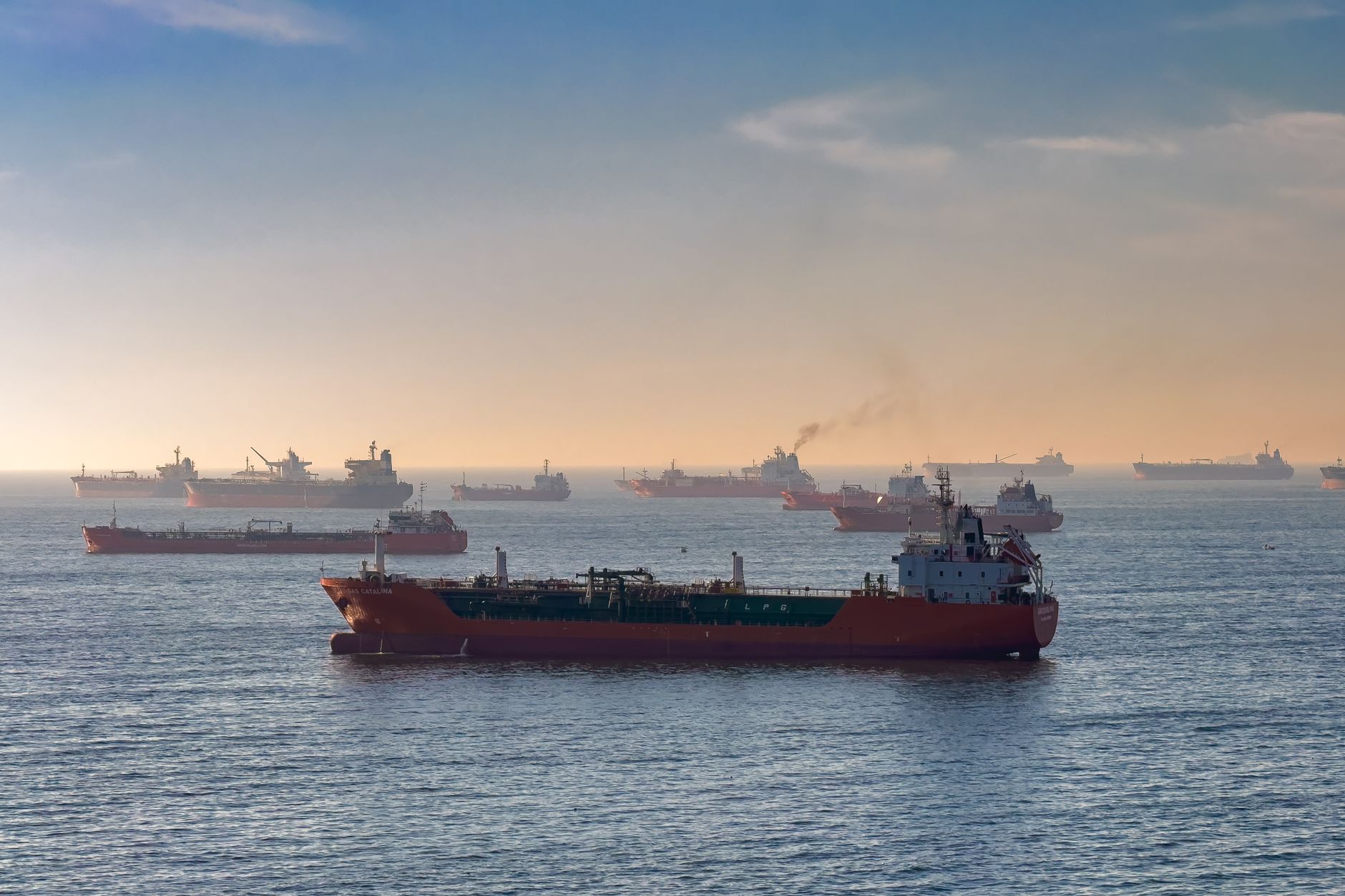
The Strait of Hormuz is not just a line on a map. Roughly 21 million barrels of oil pass through its 33-kilometer-wide navigable channel every single day, accounting for nearly 20 percent of global petroleum trade. Closing it, even temporarily, sent crude futures spiking more than 7 percent in early Asian trading on Saturday. Shipping insurance rates for vessels in the Persian Gulf surged simultaneously. The move is one of the most aggressive economic pressure plays Tehran has attempted in years, and markets responded accordingly.
Iran ties the Lebanon conflict to Geneva
Iranian officials made clear that the closure and the diplomatic track are directly linked. “There can be no meaningful dialogue while our allies are being bombed into rubble,” a senior Iranian foreign ministry official said in a statement released through state media. “The Americans must understand these issues are not separate.” And that framing puts Washington in an uncomfortable position — the Trump administration has been publicly insisting the Swiss talks remain focused exclusively on Iran’s nuclear program, not on regional military dynamics. But Tehran’s latest move makes that separation almost impossible to maintain. Still, U.S. officials said Sunday that the Geneva meeting, tentatively scheduled for later this week, has not been formally cancelled.
Trump’s 60-day ultimatum
Trump announced his toll threat via Truth Social on Saturday afternoon, calling Iran’s closure “an act of economic piracy” and pledging that the U.S. Navy would enforce free passage “by any means necessary.” He gave Tehran a hard 60-day deadline to sign a comprehensive nuclear agreement, after which the United States would begin charging tariffs on all shipping transiting the strait under American naval escort. It’s an unusual and legally contested idea — maritime lawyers were already questioning Saturday whether the U.S. has any standing to impose such tolls in international waters. But Trump has never let legal ambiguity slow him down.
The last time Iran threatened to close the strait, in 2019, it pulled back within weeks under international pressure. This time feels different.
What happens next
Diplomatic sources in Europe said Saturday that French and German envoys were making emergency calls to both Tehran and Washington, trying to keep the Geneva process alive. The Swiss foreign ministry declined to comment on whether the talks would proceed as planned. Oil markets will open in London on Monday to what analysts are already calling a potentially historic session. With 60 days on the clock and a military conflict still burning in Lebanon, the window for a negotiated outcome is narrowing fast.