US launches heavy strikes on Iran after ballistic missile attack on troops
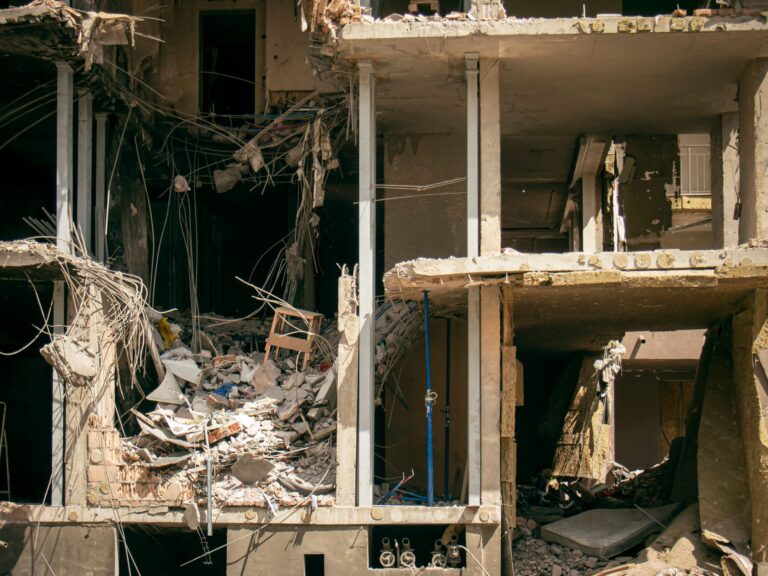
The United States military launched what it described as a “heavy” retaliatory strike against Iran on Monday, targeting military infrastructure across the country after Iranian forces fired ballistic missiles at American troops stationed in the region. It’s the most significant direct military exchange between the two countries in years, and it’s escalating fast.
What happened and when
According to Pentagon officials, Iran launched at least 14 ballistic missiles at US military positions early Monday morning local time. No American fatalities were reported, though three service members sustained injuries. Within hours, US Central Command confirmed it had responded with airstrikes hitting more than a dozen Iranian military sites, including radar installations, missile storage depots, and two Revolutionary Guard command facilities near Tehran’s eastern outskirts.
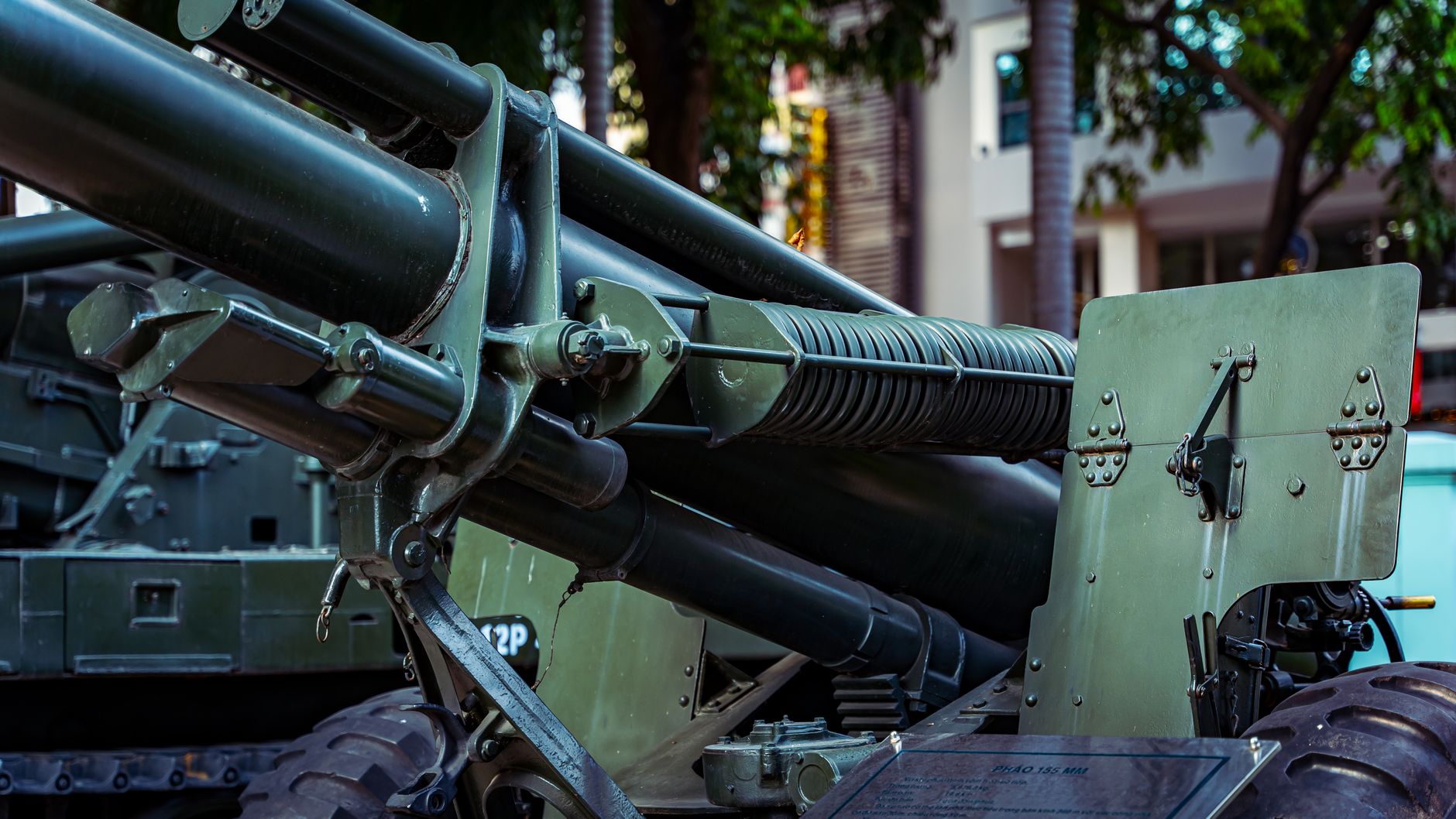
The strikes involved B-2 stealth bombers, carrier-based F/A-18s, and Tomahawk cruise missiles launched from naval vessels in the Arabian Sea. Officials described the operation as coordinated and deliberate.
Washington’s response and justification
A senior Defense Department official, speaking on condition of anonymity, said the response was proportionate but firm. “We will not allow attacks on American personnel to go unanswered,” the official said. “Iran made a choice tonight, and we responded accordingly.”
President Biden addressed the nation from the Oval Office Monday evening, framing the strikes as defensive. But he also warned that additional military options remain on the table if Iran retaliates further. He stressed the US wasn’t seeking a wider war. Still, few analysts believe the situation is anywhere close to stable.
Iran’s reaction and regional fallout
Tehran immediately condemned the US strikes as an act of aggression, with state media reporting that Iranian air defenses had shot down several incoming missiles — a claim American officials disputed. Iran’s foreign ministry summoned ambassadors from several European nations and announced it was placing its military on the highest state of readiness.
The strikes sent shockwaves through regional markets. Oil prices jumped more than 6 percent in after-hours trading. Gulf states, many of which host US military personnel, issued carefully worded statements urging restraint without directly criticizing Washington.
Israel declined to comment publicly. That silence itself spoke volumes.
What comes next
Congressional leaders were briefed late Monday night, with reaction splitting sharply along party lines. Republican hawks called for sustained pressure. Several Democrats demanded the administration seek congressional authorization before any further military action.
And the international community is watching. The UN Security Council is scheduled to hold an emergency session Tuesday morning, though any binding resolution faces near-certain vetoes from both Russia and China.
For now, US forces in the region remain on heightened alert. The Pentagon says it has repositioned assets, including a second carrier strike group, into the area. Whether this becomes a contained exchange or the opening chapter of something far larger depends heavily on what Iran decides to do in the next 48 hours.