Congo motorcyclists rally against Ebola amid outbreak fears
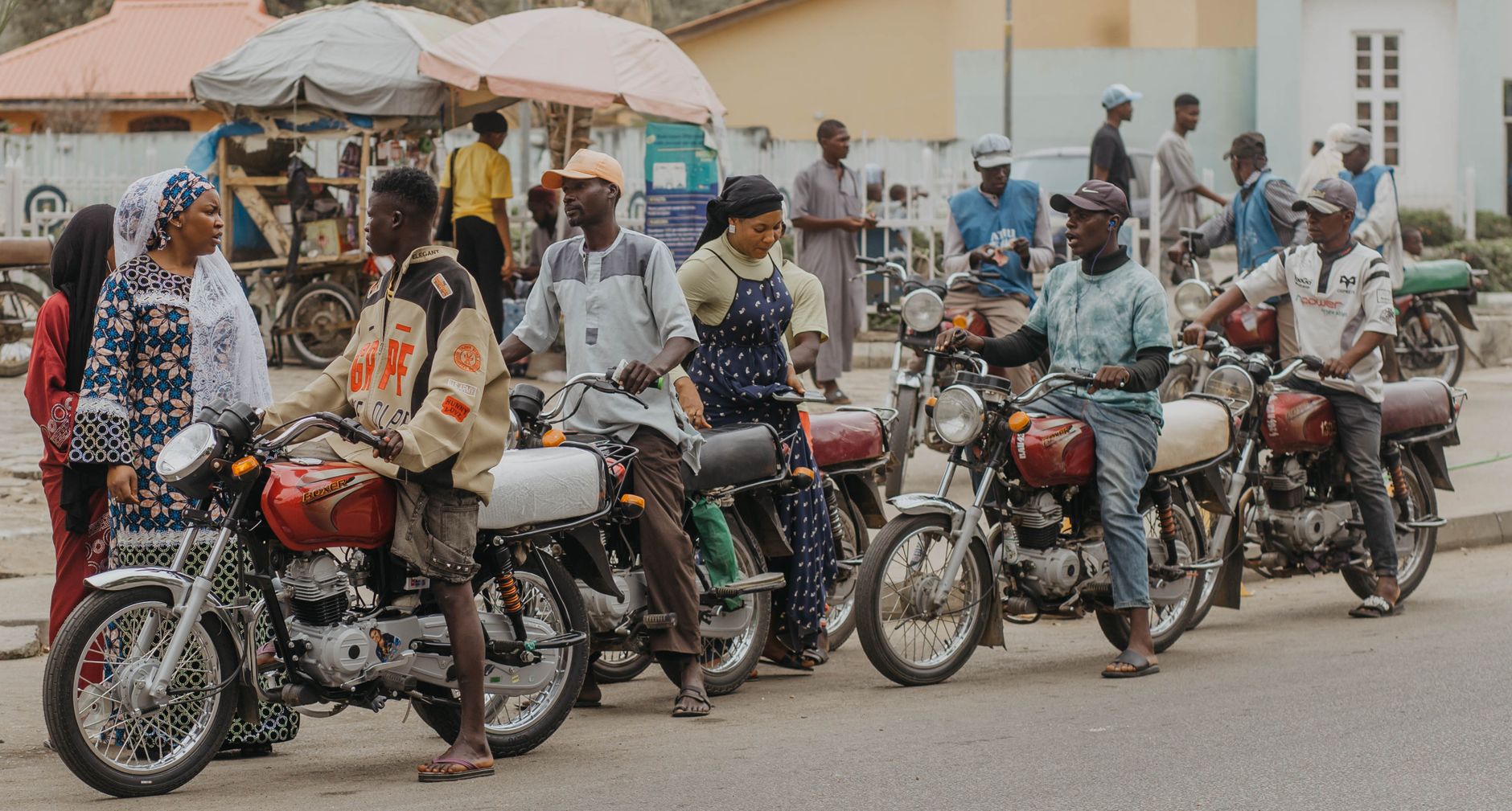
Dozens of motorcycle taxi drivers roared through the streets of eastern Democratic Republic of Congo this week, their engines revving a message of survival rather than commerce. The mobilisation comes as health officials battle not just a deadly Ebola outbreak, but a dangerous wave of misinformation threatening containment efforts.
The convoy of motorbike riders, known locally as “boda-bodas,” carried bright banners and loudspeakers broadcasting prevention messages through communities where scepticism about the disease runs deep. It’s an unusual alliance between informal transport workers and public health authorities, born from desperation as case numbers tick upward in North Kivu province.
Battling Misinformation on Two Wheels
Health workers have struggled for months to convince residents that Ebola is real and treatable. Some communities still view the outbreak as a fabrication by foreign organisations or government officials. The motorcycle drivers, deeply embedded in daily life and trusted by locals, offer a crucial bridge.
“We see everyone, we go everywhere,” said one driver who participated in the awareness campaign. “When we talk, people listen because we’re their neighbours, not outsiders.”
The riders distributed pamphlets detailing symptoms and prevention measures whilst ferrying passengers across the region. Each motorcycle displayed stickers illustrating proper handwashing techniques and warning signs of infection.
A Growing Health Crisis
The current outbreak has recorded 47 confirmed cases since it was declared last month, with 15 deaths reported by health authorities. But those numbers likely undercount the real toll. Many residents avoid treatment centres, fearing isolation or distrusting Western medicine.
Previous Ebola outbreaks in the region killed thousands.
The situation is complicated by ongoing conflict in eastern Congo, where armed groups control territory and displacement is common. Health teams have faced attacks whilst trying to trace contacts and vaccinate at-risk populations. So they’re turning to unconventional messengers.
Community Trust as Medicine
The motorcycle taxi drivers didn’t need much convincing to join the campaign. Several have lost customers or family members to the disease. And they understand that economic recovery won’t happen whilst fear keeps people home.
Public health officials provided the drivers with protective equipment and basic training on discussing Ebola without spreading panic. The riders agreed to refuse payment from anyone showing symptoms, instead directing them to treatment facilities.
“Community engagement isn’t optional anymore—it’s essential,” a health ministry spokesperson said. “We can’t fight this disease if people won’t let us help them.”
As the outbreak enters its second month, health workers hope the motorcycle mobilisation will become a model for other regions. The next convoy is scheduled for early next week, with organisers working to recruit additional riders. Whether it’s enough to turn the tide remains uncertain, but in a crisis built on fear and mistrust, every voice matters.