CAR peace gains at risk, UN envoy warns Security Council
The Central African Republic has made genuine strides toward stability after years of brutal conflict, but those gains are now hanging by a thread — particularly along its borders — UN Special Representative Valentine Rugwabiza told the Security Council on Tuesday.
Progress that’s real, but fragile
Rugwabiza didn’t sugarcoat the complexity of the situation. She acknowledged that the CAR has achieved “remarkable and tangible progress towards lasting peace and security” in recent years, crediting sustained diplomatic efforts, disarmament initiatives, and the presence of the UN peacekeeping mission MINUSCA. But she was equally blunt about what remains unfinished. Security in border zones is precarious, and the spillover effects of neighboring Sudan’s ongoing war are making an already difficult situation worse.
The CAR shares roughly 1,165 kilometers of border with Sudan, a country now in its second year of devastating civil war between the Sudanese Armed Forces and the Rapid Support Forces. Displaced civilians, armed actors, and weapons are crossing into CAR territory, straining local institutions that are still finding their footing.
Border zones remain the flashpoint
The eastern and northeastern border regions have long been among the most dangerous parts of the country. Armed groups that signed a 2019 peace deal — the Political Agreement for Peace and Reconciliation — have shown uneven commitment to its terms. Some factions have rejoined the process; others haven’t.
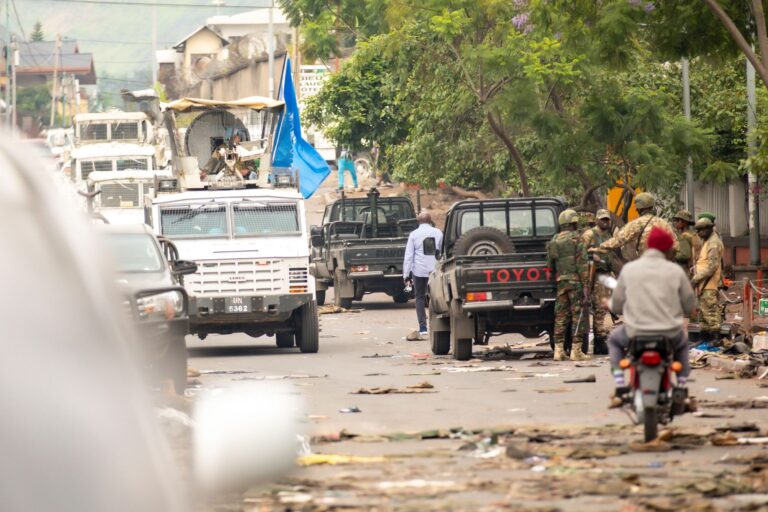
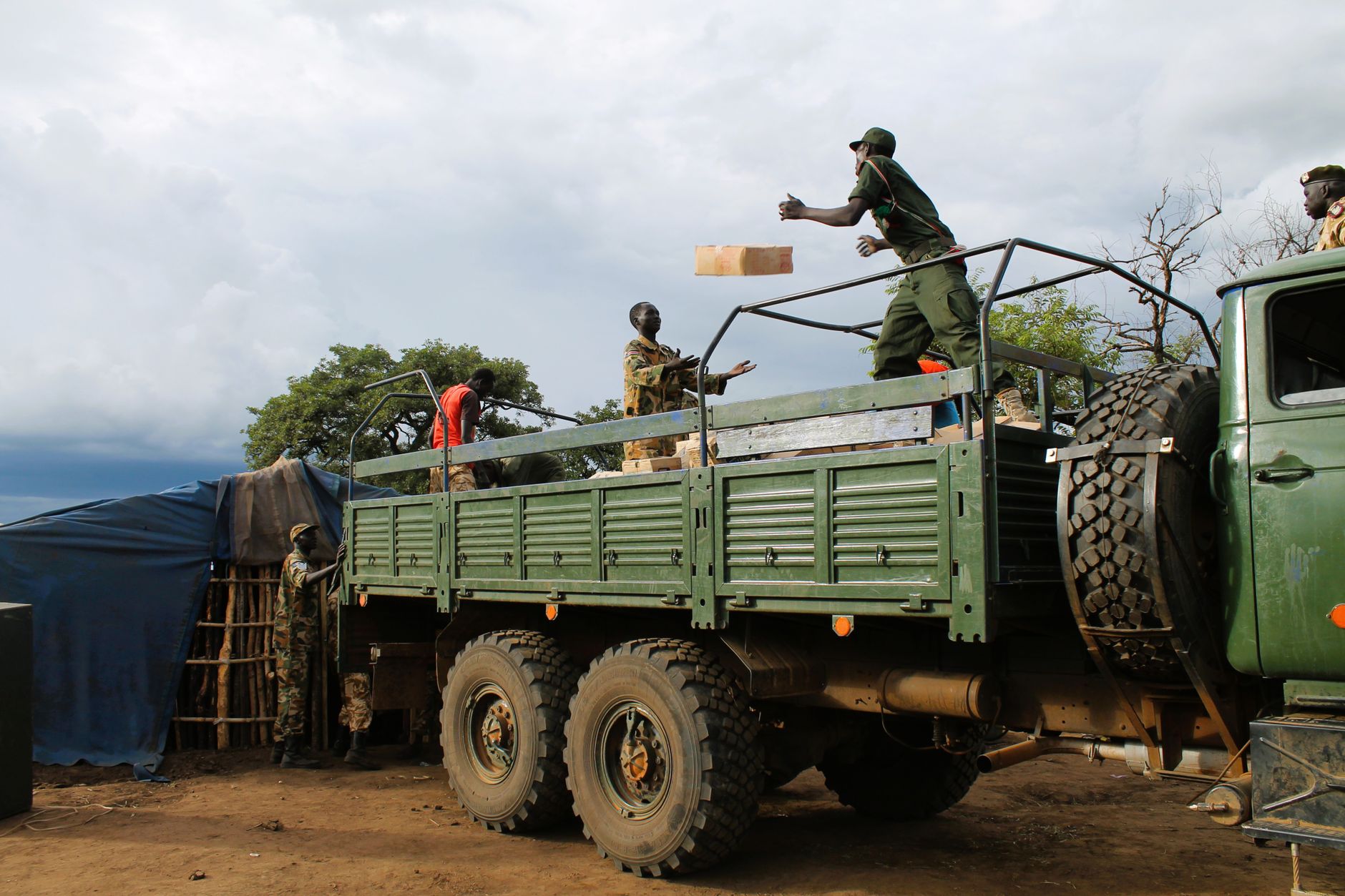
MINUSCA currently deploys around 15,000 uniformed personnel across the country, making it one of the UN’s largest active peacekeeping operations. Still, coverage in remote border areas is limited, and response times to incidents can stretch into days.
“The peace we’ve built is not yet self-sustaining,” one UN official familiar with the mission said. “It needs continued investment — political, financial, and military.”
What’s at stake if momentum stalls
The CAR’s population of roughly 5.5 million people has endured more than a decade of cyclical violence since the country descended into chaos following the 2013 Séléka rebellion. Millions have been displaced at various points, and humanitarian needs remain acute — about 3.1 million people still require assistance according to recent UN figures.
President Faustin-Archange Touadéra’s government has leaned heavily on Russian Wagner Group — now rebranded under Russian state structures — for security support, a relationship that has drawn criticism from Western governments and complicated the CAR’s partnerships with traditional donors.
But Rugwabiza’s message to the council was ultimately one of cautious hope, not despair. The foundations are there. What’s needed now is for the international community not to walk away.
What comes next
The Security Council is expected to review MINUSCA’s mandate in the coming weeks. That renewal will be a critical test of whether member states are willing to sustain their commitment to the CAR’s fragile recovery — or whether budget pressures and competing global crises will pull attention elsewhere.
For the people of the Central African Republic, the difference between those two outcomes couldn’t be more consequential.