UN envoy warns of growing risks in El Obeid amid Sudan conflict
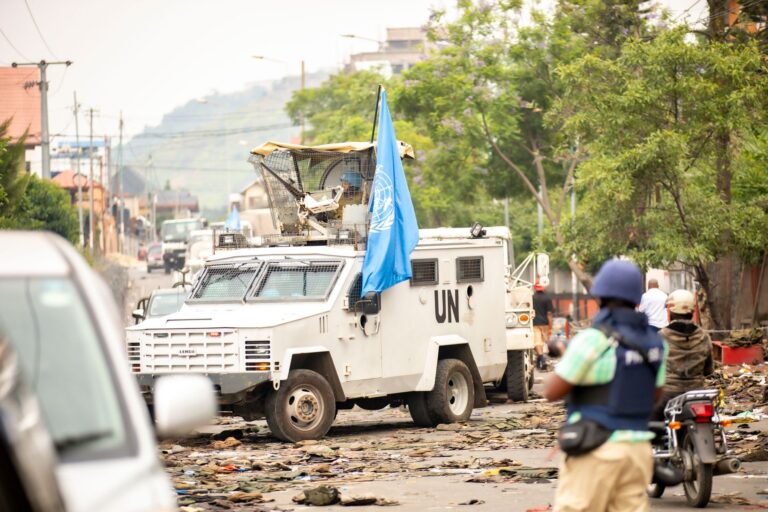
The United Nations Secretary-General’s Personal Envoy for Sudan raised the alarm on Wednesday over a dangerous new flashpoint in the country’s grinding civil war, warning that escalating violence in and around El Obeid could expose thousands of civilians to catastrophic harm.
El Obeid, the capital of North Kordofan state and home to roughly 500,000 people, has increasingly become a focal point of tension as fighting between the Sudanese Armed Forces and the Rapid Support Forces continues to spread beyond the war’s original epicenters of Khartoum and Darfur.
What the envoy said
The envoy, speaking to reporters in New York, didn’t mince words. He described the situation in North Kordofan as “deeply troubling” and called on all parties to pull back from actions that could trigger a full-scale assault on the city. “El Obeid is a lifeline for millions of people in central Sudan,” he said. “Any military escalation there would be devastating and frankly unconscionable given what civilians have already endured.”
He urged immediate restraint and renewed calls for humanitarian corridors to remain open. Still, there’s little indication that either side is prepared to stand down.
A city already under pressure
El Obeid sits at a critical junction. It’s one of the last major cities in Sudan’s interior where humanitarian operations are still functioning at any meaningful scale. Aid organizations have been using it as a staging point to reach communities in Kordofan and beyond, and a collapse of security there would effectively cut off supply lines to hundreds of thousands of displaced people.
The UN estimates that more than 10 million people have been displaced since fighting broke out in April 2023 — the largest displacement crisis on earth right now. Nearly 25 million people, more than half of Sudan’s population, are facing acute food insecurity.
That context matters.
Regional spillover fears
Beyond the immediate humanitarian stakes, officials are worried about what a battle for El Obeid would mean for the broader region. North Kordofan borders multiple states, and any surge in violence there risks pushing more displaced populations toward Chad and South Sudan, both of which are already struggling to absorb massive refugee flows.
And it’s not just a numbers problem. The breakdown of governance in areas where RSF forces have seized control has been accompanied by widespread reports of looting, sexual violence, and the destruction of civilian infrastructure. Aid workers and rights groups fear similar patterns could play out in El Obeid if the city falls into active combat.
What comes next
The envoy said he plans to continue consultations with regional partners, including the African Union and the Intergovernmental Authority on Development, in the coming days. But diplomatic efforts have so far failed to produce a durable ceasefire anywhere in Sudan, and there’s little optimism that a breakthrough is imminent.
For the people of El Obeid, the clock is ticking.