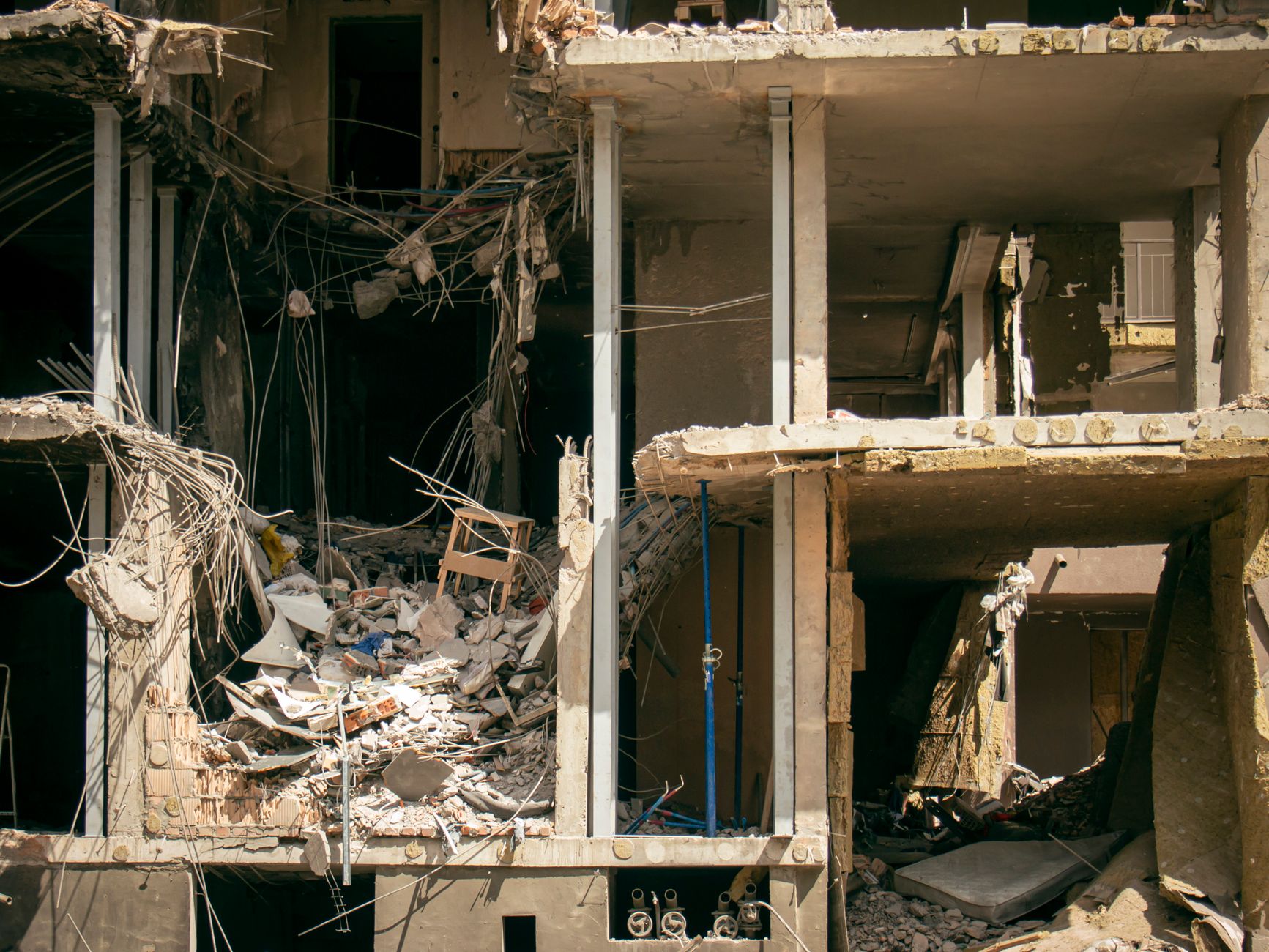
Sudan War: Drone strikes cripple aid routes, UN warns
Drone attacks in Sudan have damaged critical bridges and roads used for humanitarian deliveries, severely restricting aid access to millions of civilians caught in the country’s brutal 18-month conflict, the United Nations warned Tuesday.
The attacks have targeted at least seven major crossings and supply routes across Sudan in recent weeks, according to UN humanitarian officials. The strikes have effectively cut off entire regions from desperately needed food, medicine, and emergency supplies.
Infrastructure Destroyed Amid Escalating Violence
Recent drone strikes destroyed a key bridge in River Nile State and damaged portions of the highway connecting Port Sudan to inland displacement camps. Another attack last week hit a crossing near El Fasher in North Darfur, where an estimated 800,000 people are trapped by fighting between the Sudanese Armed Forces and the Rapid Support Forces paramilitary group.
The destruction isn’t limited to transport routes. Water stations, electrical facilities, and communications towers have also been hit. These facilities are protected under international humanitarian law.
But that hasn’t stopped the attacks.
Humanitarian Crisis Deepens
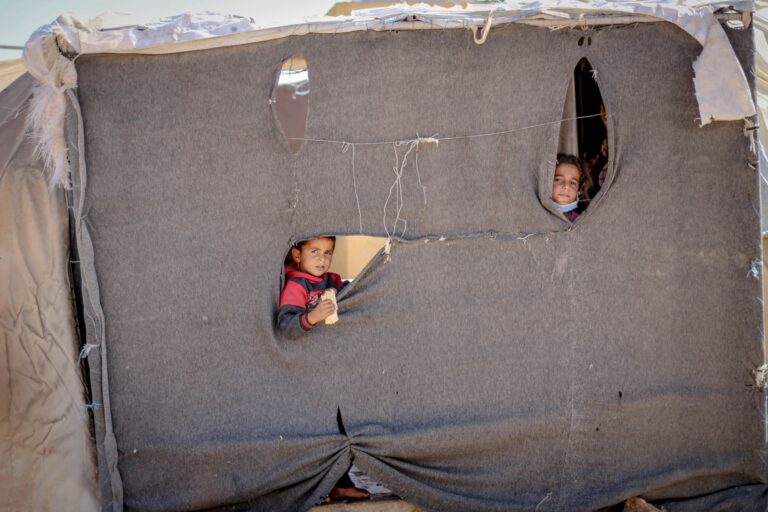
Sudan’s conflict has already displaced more than 10 million people since April 2023, creating what aid agencies call one of the world’s worst humanitarian emergencies. Now, with key supply routes damaged or destroyed, agencies say they’re struggling to reach even a fraction of those in need.
“The deliberate targeting of civilian infrastructure is making an already catastrophic situation even worse,” a senior UN humanitarian official said in a statement. “We’re seeing families cut off from food assistance, medical care, and clean water. This won’t just cause suffering—it will cost lives.”
Aid workers reported that deliveries to some areas have dropped by 60% since the infrastructure attacks intensified in January. Meanwhile, food insecurity has reached emergency levels in 14 of Sudan’s 18 states.
International Response Limited
Despite repeated calls from humanitarian organizations and Western governments, there’s been little concrete action to protect civilian infrastructure or enforce existing ceasefire agreements. The warring parties have shown no signs of backing down.
Recent peace talks in Jeddah collapsed without progress. And attempts by the African Union to mediate have gone nowhere.
The UN estimates that 24.8 million people—roughly half of Sudan’s population—now require humanitarian assistance. Yet aid agencies have received only 15% of their requested funding for 2025, leaving them unable to scale up operations even where access remains possible.
As the conflict grinds into its second year, humanitarian officials warn that without immediate action to protect supply routes and restart serious negotiations, Sudan faces a deepening catastrophe that could destabilize the entire region for years to come.