
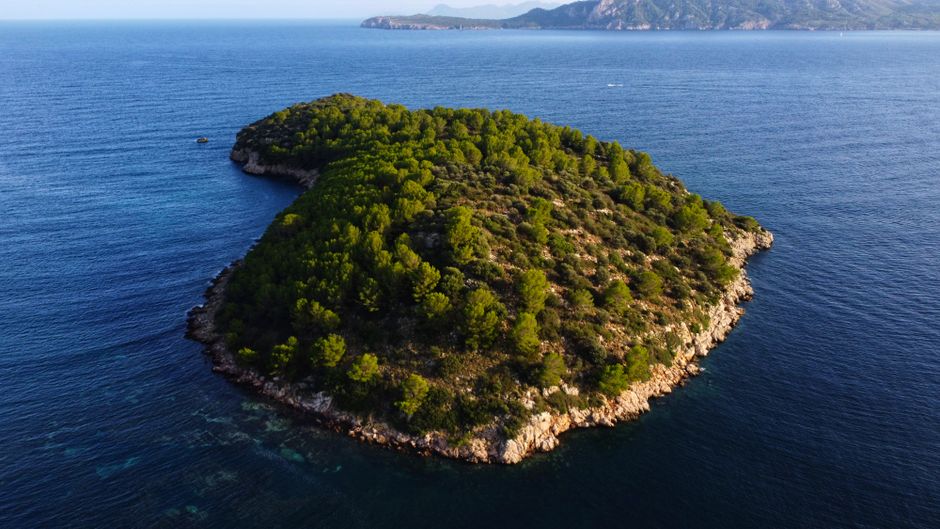
EU islands strategy: can Brussels transform 17 million lives?
The European Union is pushing forward an ambitious islands strategy that could reshape daily life for roughly 17 million people scattered across more than 2,200 inhabited islands from the Azores to the Aegean. But the big question hanging over Brussels right now is whether this plan has the teeth to actually deliver.
What the strategy actually proposes
The EU Islands Strategy, championed by the European Parliament’s SEARICA intergroup, calls for a dedicated legal framework that would give island communities the same structural recognition that outermost regions currently enjoy. That means targeted funding streams, tailored energy transition timelines, and specific carve-outs from rules that simply don’t make sense when your nearest hospital is a 90-minute ferry ride away. The strategy also pushes for a formal “island-proofing” mechanism — essentially a requirement that all new EU legislation gets stress-tested against island realities before passing.
Right now, islands fall into an awkward policy gap. They’re not outermost regions, so they miss certain protections. But they face costs and connectivity problems that mainland rural areas simply don’t. Energy prices on many Greek islands run 40 to 60 percent higher than the national average. Broadband penetration on smaller Italian islands sits well below the EU’s 2030 Digital Decade targets.
Supporters say the moment is right
Advocates have been pushing this idea for years. So it matters that the political climate in Brussels has shifted. The new European Commission has signaled openness to asymmetric approaches — meaning policies that deliberately treat different places differently based on their specific constraints. That’s a meaningful departure from the one-size-fits-all instinct that has frustrated island communities for decades.
“Island communities have structural disadvantages that require structural answers, not just project-by-project fixes,” said a spokesperson for the Islands Commission of the Conference of Peripheral Maritime Regions, which represents over 150 island regions across Europe.
The hard obstacles ahead
Still, skeptics have real concerns. Creating a new legal category within EU cohesion policy isn’t straightforward. It requires member state buy-in, and countries like France and Spain — whose islands range enormously in size and wealth — may resist frameworks that treat Corsica the same as a tiny Cycladic island with 800 residents.
And money is the other problem. The current EU budget cycle runs through 2027, and the next multiannual financial framework negotiations will be brutal. Every sector is fighting for its slice. Island advocates need to make a compelling enough case that their 17 million constituents aren’t squeezed out again.
The timeline is tighter than it looks. If a legislative proposal doesn’t take shape before mid-2026, it risks getting swallowed by the pre-election slowdown ahead of the next European Parliament cycle.
What comes next
A formal Commission communication on island territories is expected later this year. That document won’t be legislation — but it will signal whether Brussels is serious or just sympathetic. Island communities across the Mediterranean, the Baltic, and the Atlantic fringe will be watching closely. They’ve heard promising words before. What they want now is a regulation with their name on it.