Le Pen’s economic agenda could cost France billions, analysts warn
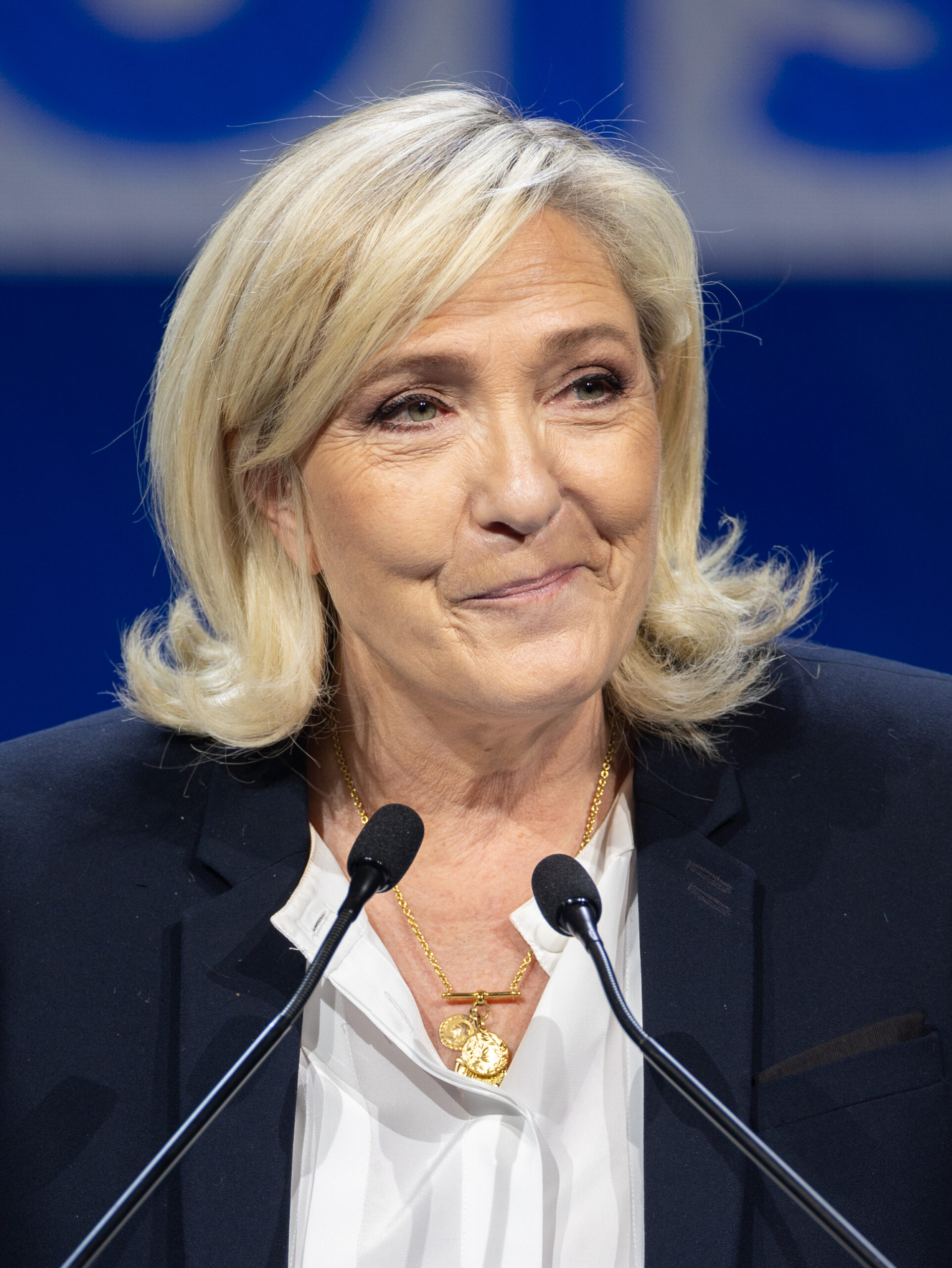
Marine Le Pen’s political comeback is raising alarm bells across European financial circles, with economists warning that her signature economic proposals could inflict serious damage on France’s already strained public finances — and rattle the broader eurozone in the process.
What Le Pen is actually proposing
Le Pen’s National Rally party has built its economic platform around a set of crowd-pleasing but expensive promises: slashing VAT on energy products to 5.5%, lowering the retirement age back to 60 for some workers, and exempting workers under 30 from income tax entirely. It sounds appealing to voters squeezed by inflation. But economists aren’t buying it.
The Institute of Public Policy in Paris has estimated that the full package could add somewhere between €100 billion and €150 billion to France’s public deficit over five years. France already carries a deficit of around 5.5% of GDP — well above the EU’s 3% ceiling — and bond markets have been watching nervously.
The bond market problem
When Le Pen’s party surged in the polls ahead of last year’s snap parliamentary elections, French borrowing costs spiked sharply. The spread between French and German 10-year government bonds — a closely watched measure of investor anxiety — hit its widest point since the 2012 eurozone crisis. That’s not a coincidence.
Markets don’t trust that a Le Pen-led government would stick to any credible fiscal consolidation path. And if borrowing costs rise, every other part of the French budget gets squeezed — hospitals, schools, defence spending.
“The risk isn’t just domestic,” said one senior EU economic official familiar with the situation. “A fiscal crisis in France would reverberate across the entire single currency area in ways we haven’t seen in over a decade.”
The EU dimension
France is currently under the EU’s excessive deficit procedure, meaning Brussels is already watching Paris with a critical eye. A Le Pen government that doubled down on spending while refusing to engage constructively with EU fiscal rules would almost certainly trigger a confrontation with the European Commission.
Le Pen has previously floated the idea of renegotiating France’s contributions to the EU budget. She’s also questioned aspects of the European Central Bank’s independence. Neither position goes over well in Frankfurt or Brussels.
Still, it’s worth remembering that campaign platforms and governing reality are two different things. Some analysts point out that Le Pen has softened her tone on the euro and France’s EU membership compared to her 2017 campaign. Whether that moderation is genuine or tactical is anyone’s guess.
What happens next
France’s next presidential election is scheduled for 2027, and Le Pen remains the frontrunner in most polling. Emmanuel Macron is constitutionally barred from running again.
So the question isn’t really hypothetical anymore. Investors, EU officials, and France’s trading partners are already quietly stress-testing scenarios. The economic stakes couldn’t be higher — for France, and for Europe.