US strikes on Iran intensify as Trump threatens to ‘finish off’ Tehran
The United States launched a new wave of military strikes against Iran on Saturday, with President Donald Trump warning the Islamic Republic that it had better “behave” or face consequences far more severe than anything it has seen so far. The strikes, which targeted what Pentagon officials described as missile production facilities and military logistics hubs near Tehran and in the country’s southwest, mark the third round of direct US military action against Iran in under two weeks.
What the strikes hit
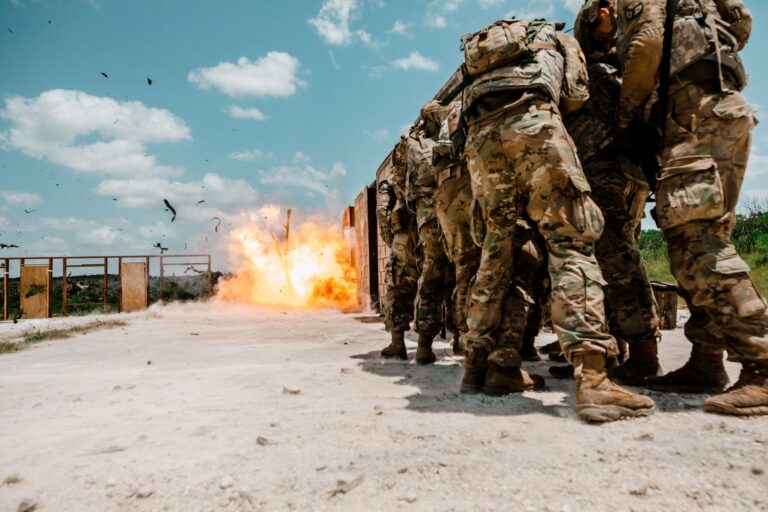
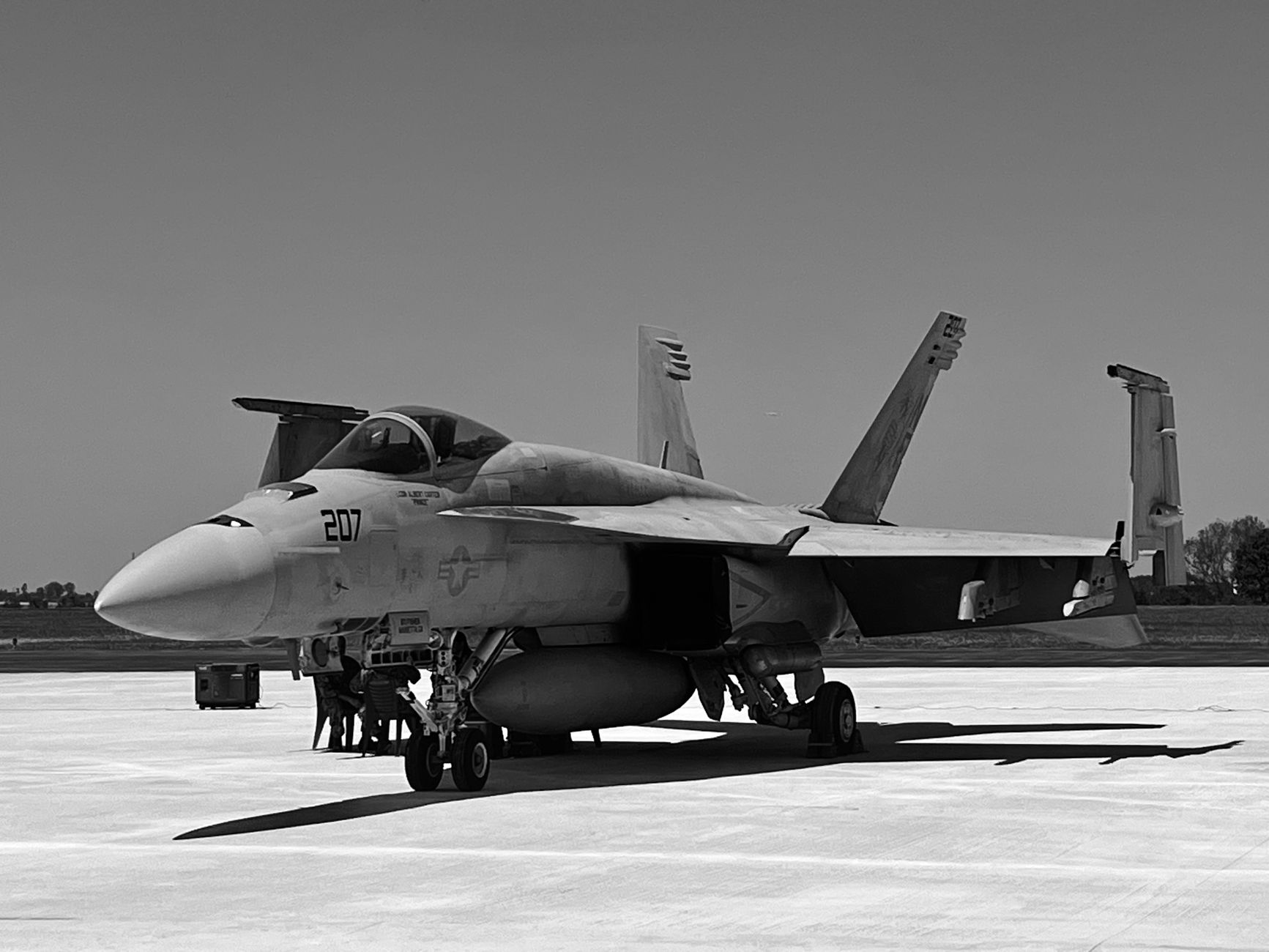
US B-2 Spirit bombers and Navy strike aircraft carried out at least 14 separate strikes across multiple sites, according to two senior defense officials briefed on the operation. Among the targets was a ballistic missile assembly plant in Parchin, a site long suspected of dual military and nuclear use. The Pentagon confirmed all aircraft returned safely. Iranian state media acknowledged “explosions” near the capital but gave no early casualty figures.
It’s the most sustained US air campaign against Iran in modern history.
Trump’s warning to Tehran
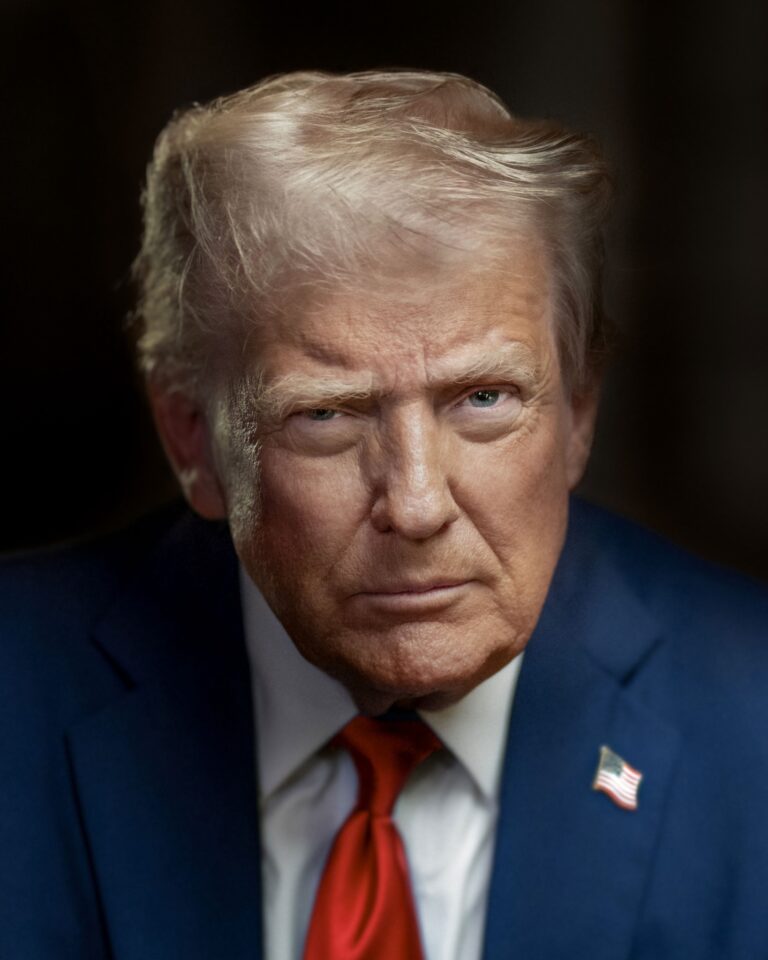
Speaking to reporters outside the White House on Saturday afternoon, Trump was blunt. “They better behave,” he said, adding that a decision on whether to “finish off” Iran entirely had not yet been made. He didn’t rule it out. “We’ll see what happens. They know what I’m capable of.” The comments sent an immediate shockwave through diplomatic circles in Europe and across the Gulf region, where several US allies have been quietly urging restraint.
A senior State Department official said the administration remains open to negotiations but stressed that Iran must first “stop all enrichment activity and stand down its proxy forces across the region.” That’s a demand Tehran has previously rejected outright.
Iran’s response and regional fallout
Iran’s Supreme Leader Ali Khamenei released a short statement through state television calling the strikes “an unforgivable act of aggression” and vowing a response “at a time and place of our choosing.” But so far, no retaliatory strike has materialized. Iranian-backed militias in Iraq and Syria were placed on high alert, according to regional intelligence sources, and the US Embassy in Baghdad issued a security alert to American citizens in the country.
Oil markets reacted sharply. Brent crude surged nearly 9% on Saturday, briefly touching $103 a barrel — its highest point since early 2023. Airlines began rerouting flights away from Iranian airspace.
What comes next
The key question now is whether this pressure campaign forces Iran to the table or pushes it toward full-scale escalation. Trump has repeatedly said military force would continue until Iran agreed to a new nuclear deal, one he describes as “much tougher” than the 2015 agreement his first administration abandoned in 2018.
Congressional leaders from both parties are expected to be briefed Monday. Some Republicans have called for restraint. Most Democrats are demanding a formal vote under the War Powers Act. Neither outcome seems likely to slow Trump down. At least not yet.