Kallas dismisses talk of EU diplomatic service abolition
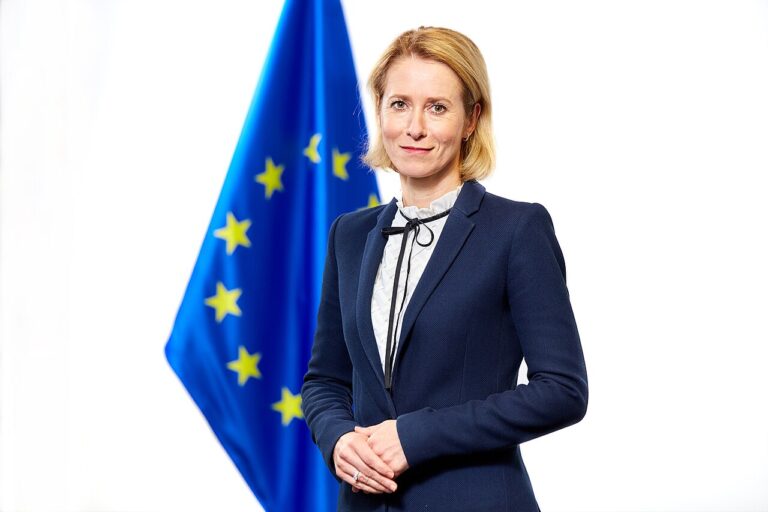
EU foreign policy chief Kaja Kallas has downplayed growing speculation about the potential abolition of the European External Action Service, insisting the bloc’s diplomatic arm remains essential for coordinating Europe’s global response to mounting security challenges.
The Estonian politician’s comments come amid renewed debate over the EEAS’s effectiveness and cost, with some member states questioning whether the service, which employs roughly 3,400 staff across 145 delegations worldwide, still justifies its annual budget of approximately €800 million.
Defending the Diplomatic Network
Speaking at a press briefing in Brussels, Kallas pushed back against critics who’ve suggested folding the EEAS’s functions back into the European Commission or national foreign ministries. She argued that dismantling the service now would send precisely the wrong signal at a time when Europe faces unprecedented geopolitical pressure from Russia’s war in Ukraine and growing tensions with China.
“We need more coordination, not less,” she said. “The world doesn’t care about our internal debates. What matters is whether Europe can speak with one voice when it counts.”
Budget Pressures and Reform Calls
Yet the debate isn’t going away. Several Northern European countries have quietly raised concerns about duplication between EEAS operations and national diplomatic efforts, particularly in regions where both maintain parallel presences. France and Germany, meanwhile, have proposed restructuring rather than abolition, suggesting the service could operate more efficiently with a smaller footprint.
The EEAS was established in 2010 under the Lisbon Treaty to give the EU a unified voice in foreign affairs. But it’s faced criticism throughout its 14-year existence for being overly bureaucratic and struggling to achieve consensus among 27 member states with divergent interests.
What Comes Next
Kallas didn’t rule out reforms entirely. She acknowledged that the service could “work smarter” and suggested a review of its operational structure might be warranted. Still, she made clear that wholesale abolition wasn’t on her agenda.
The timing of this debate is particularly sensitive. Europe’s struggling to maintain unity on Ukraine policy as some capitals grow weary of sustained support. And with the United States potentially reducing its NATO commitments, depending on Washington’s political direction, the EU faces pressure to develop stronger independent foreign policy capabilities.
So while the EEAS may not disappear tomorrow, it’ll likely face continued scrutiny as member states negotiate the next EU budget cycle. Whether Kallas can make the case for its continued existence may depend on delivering tangible results where it matters most: on the ground in crisis zones and at negotiating tables where Europe’s interests are at stake.