US Forces down Iranian drones near Strait of Hormuz
US forces shot down two Iranian one-way attack drones near the Strait of Hormuz on Thursday, in what military officials described as an attempted strike on commercial shipping vessels transiting the world’s most critical oil chokepoint.
The incident occurred just hours after President Donald Trump announced what he called a “great settlement” to end hostilities in the region. But the drone attacks suggest Tehran either wasn’t informed of any deal or chose to ignore it.
Swift Military Response
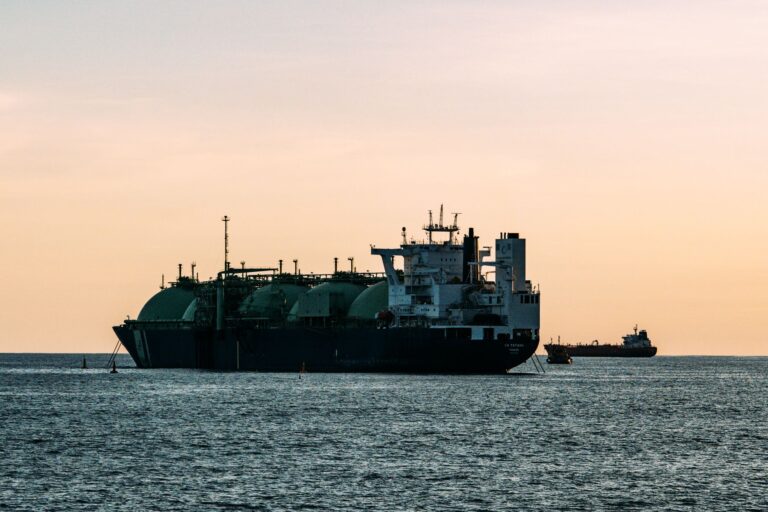
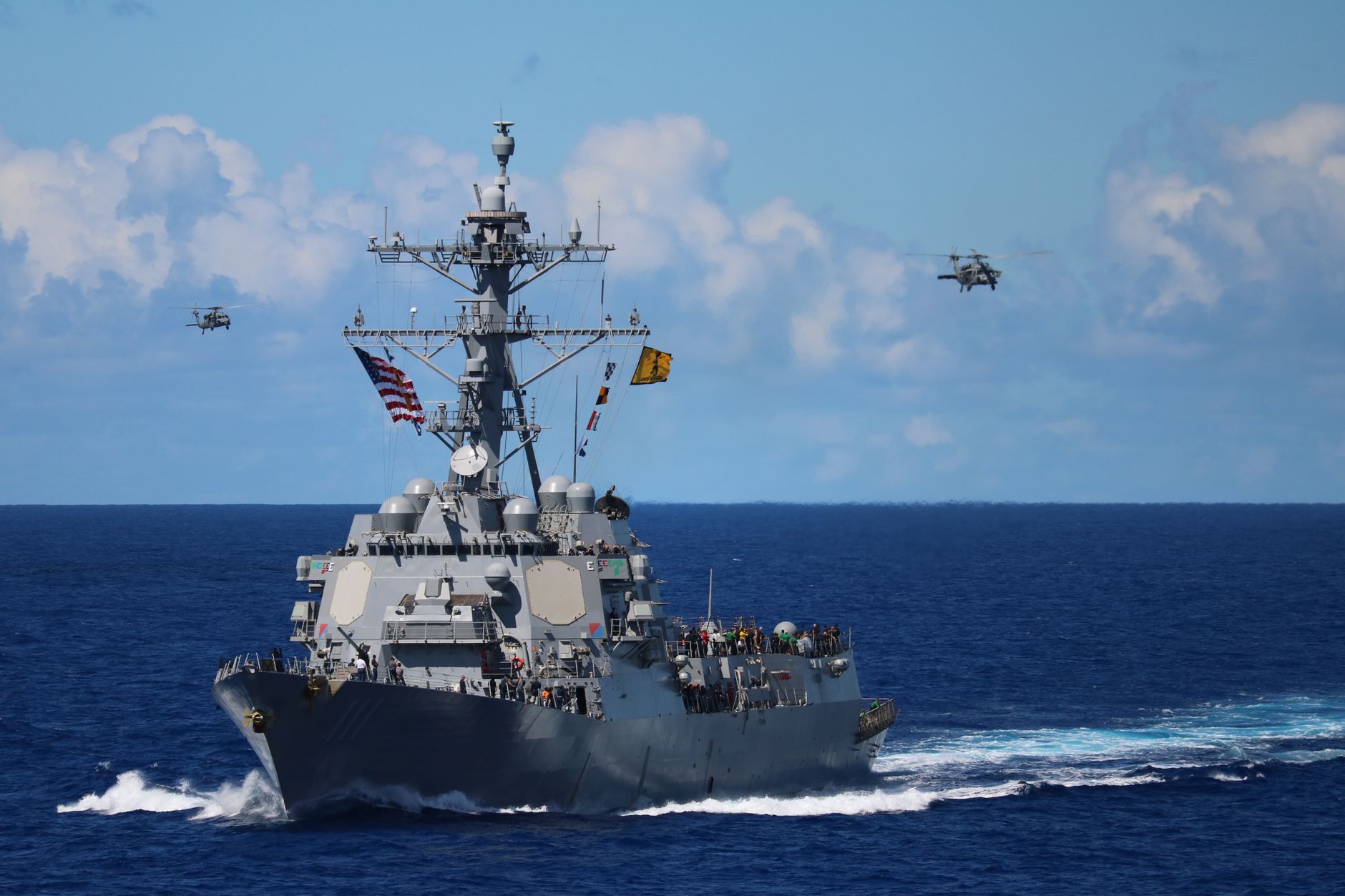
Navy destroyers operating in the area detected the incoming drones around 3:45 a.m. local time and engaged them with ship-based defense systems. Both unmanned aerial vehicles were destroyed before reaching their apparent targets—two commercial tankers carrying liquefied natural gas through the 21-mile-wide strait.
The tankers, one flagged in Greece and another in Singapore, continued their transit without incident. Neither vessel reported damage, and no injuries were recorded among crew members or US personnel.
Timing Raises Questions
Trump’s settlement announcement came during a late-night press conference at Mar-a-Lago, where he told reporters that his administration had reached “a tremendous agreement” with Iranian leadership. He didn’t provide specifics about the terms or timeline.
Yet the drone attack happened less than six hours later.
“We’re aware of reports regarding the President’s statements,” a senior defense official said on condition of anonymity. “What we can confirm is that US forces acted decisively to protect commercial shipping from an imminent threat. That’s our job, regardless of what’s happening at the diplomatic level.”
Strategic Flashpoint
The Strait of Hormuz handles roughly 21 million barrels of oil per day—about one-fifth of global petroleum consumption. Iran has repeatedly threatened to close the waterway during periods of tension with Washington, though it’s never followed through on those warnings.
So far this year, there have been 14 reported incidents involving Iranian forces and commercial vessels in the area. That’s up from nine during the same period last year. The drones used in Thursday’s attack appeared to be Shahed-136 variants, the same model Iran has supplied to Russia for use in Ukraine.
What Happens Next
Pentagon officials said they’re monitoring Iranian military activity across the region and maintaining their current force posture. Three carrier strike groups remain deployed in nearby waters—an unusually high concentration that reflects ongoing concerns about escalation.
The White House hasn’t clarified whether Thursday’s attack affects Trump’s claimed settlement. And Tehran hasn’t issued any official statement about either the drones or the alleged agreement.
For now, shipping companies are reassessing their risk calculations. Insurance premiums for Gulf transits were already elevated. They’re likely headed higher.