Thomas Partey visa appeal fails ahead of Ghana World Cup opener
Thomas Partey’s last-ditch legal bid to enter Canada has collapsed, leaving Ghana’s captain unable to play in the team’s opening FIFA World Cup match against Panama in Toronto on Wednesday. The Arsenal midfielder’s appeal against a Canadian visa refusal was rejected, confirming one of the tournament’s most dramatic pre-match absences.
What happened with the visa refusal
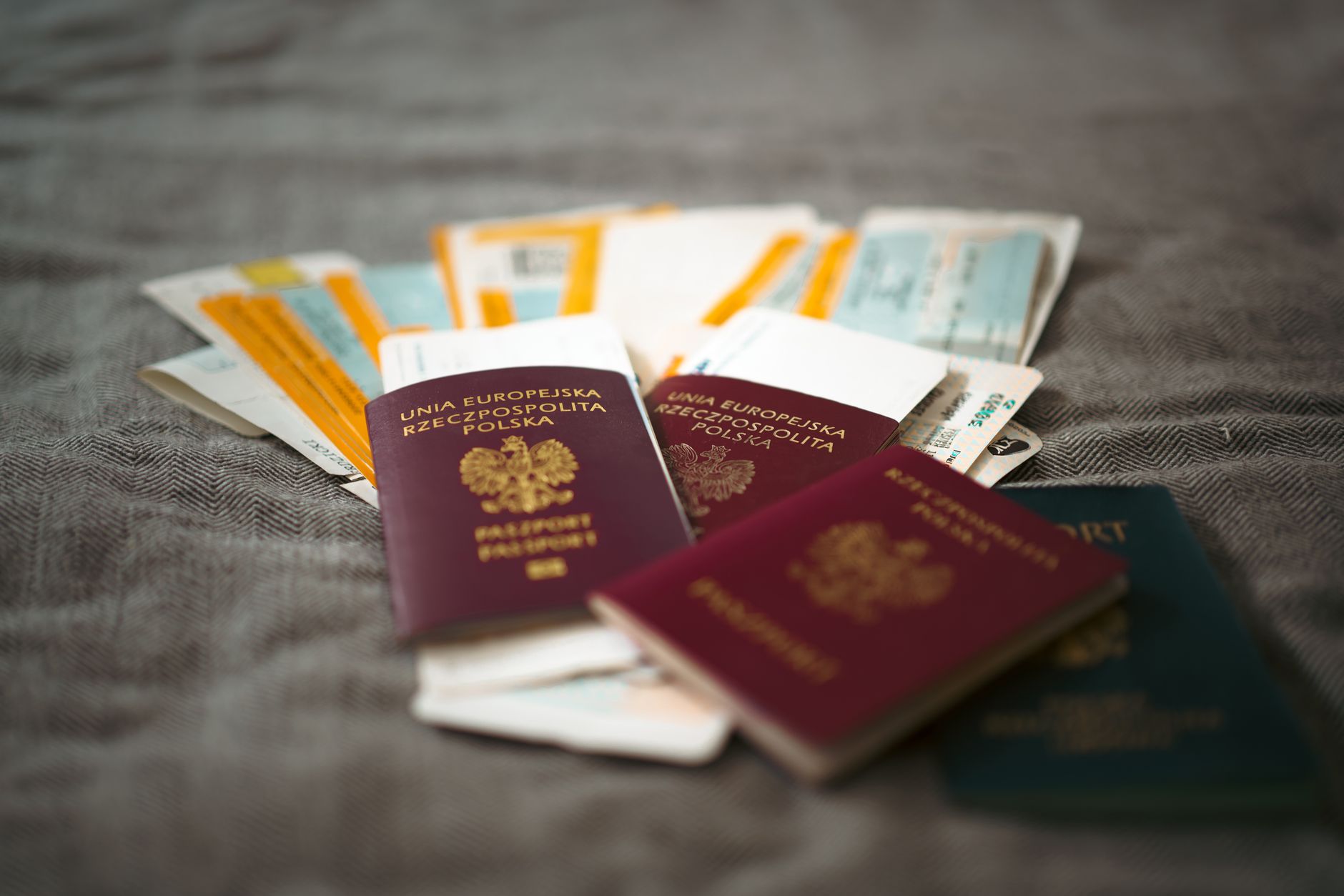
Canadian immigration authorities denied Partey’s visa application citing undisclosed grounds, a decision that stunned the Ghana Football Association and triggered an emergency legal challenge. The appeal, filed just days before Ghana’s Group C opener, moved through a Canadian federal process at unusual speed. But speed wasn’t enough. The ruling came back negative, and Partey’s participation in Wednesday’s 8 p.m. local time kickoff at BMO Field is now officially off the table.
It’s a blow that goes beyond football. Partey, 31, is Ghana’s most recognisable player and the anchor of a midfield the team has built its 2026 World Cup campaign around.
Ghana scramble for a solution
The Ghana Football Association confirmed the outcome late Tuesday in a brief statement, saying the federation had exhausted every available legal channel. A GFA spokesman said, “We are deeply disappointed by the outcome and will continue to support Thomas through this difficult and unjust situation.”
Ghana’s coaching staff now face a reshuffled midfield setup less than 24 hours before kick-off. Mohammed Kudus is expected to absorb greater creative responsibility, with Salis Abdul Samed likely stepping into a deeper role. The tactical adjustments are significant — Ghana had built roughly 40 percent of their qualifying build-up play through Partey’s position, according to UEFA tracking data cited by the GFA’s technical department.
Timeline that caught everyone off guard
The sequence of events has raised questions that won’t disappear quickly. Partey’s initial application was reportedly submitted alongside his teammates’ documentation in late May. Yet his alone was flagged. Canadian officials have not publicly explained the specific reason for the refusal, citing immigration confidentiality rules.
FIFA and tournament organisers had no direct authority to intervene. So Ghana fought the battle through Canadian courts instead, hoping for an emergency exemption that never materialised.
Still, the legal challenge itself drew attention to a gap in World Cup planning — the assumption that player accreditation automatically smooths visa pathways didn’t hold in this case.
What comes next for Partey and Ghana
If Ghana advance from Group C, which also includes Morocco and Argentina, Partey could potentially join the squad for later matches scheduled in Atlanta and Los Angeles, both in the United States, where entry requirements differ. His legal team has indicated they’re exploring every option.
Ghana play Panama at 8 p.m. ET on Wednesday, then face Morocco on June 16 before closing the group stage against Argentina on June 20. There are 15 days and potentially two more matches before the squad leaves North America entirely. For Partey, the hope is that he gets to be part of at least some of it.