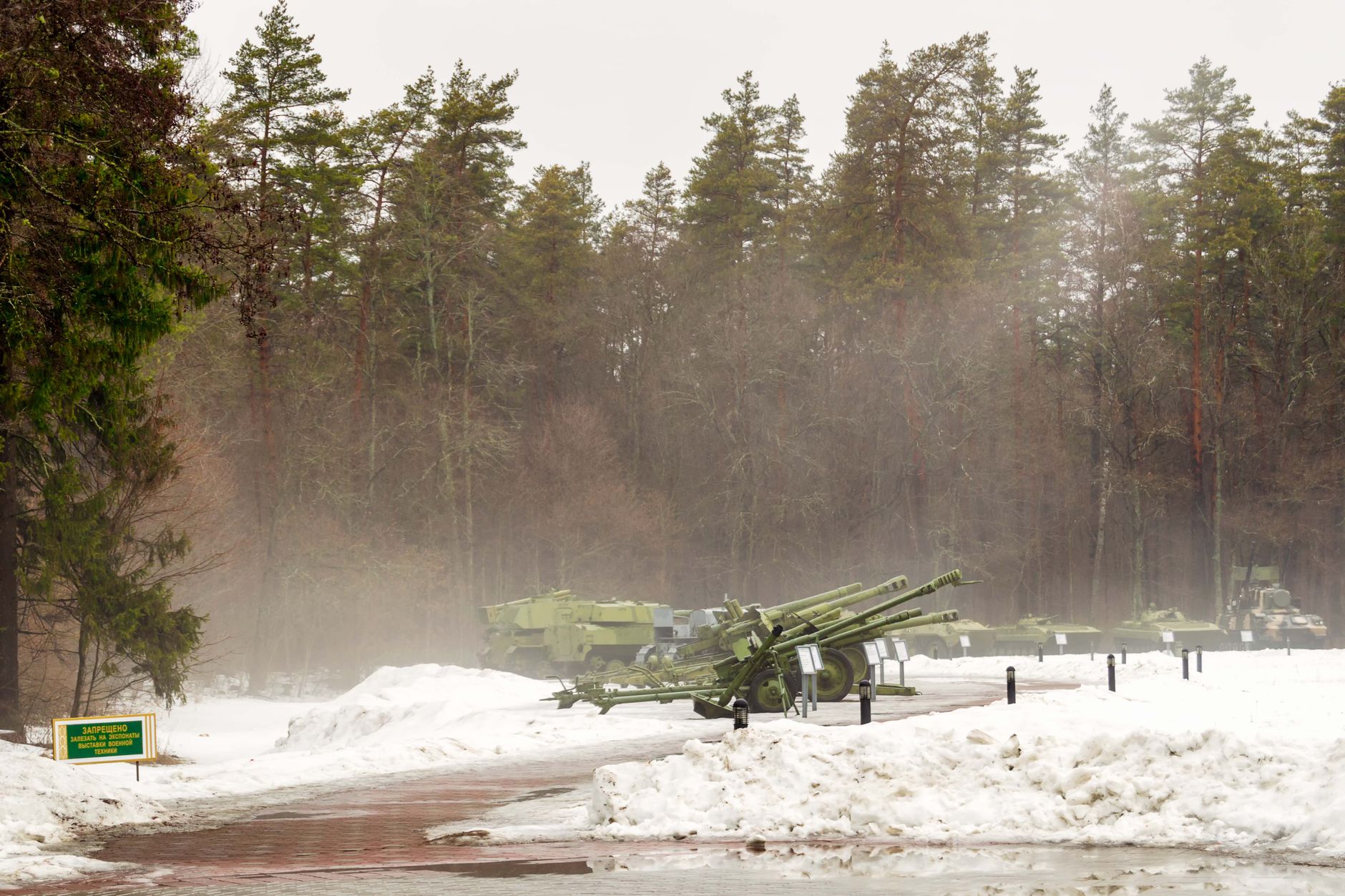
Europe rearms: the continent’s historic shift toward defense
Europe is spending more on weapons than at any point since the Cold War — and it’s doing so, leaders insist, in the name of peace. The continent’s collective defense budgets are projected to surpass $400 billion in 2025, a figure that would have seemed unthinkable just five years ago. The war in Ukraine didn’t just redraw battle lines on the map. It rewired the political calculus of an entire continent.
A spending surge unlike anything in decades
NATO’s European members are on track to hit the alliance’s 2% GDP defense spending target en masse for the first time. Poland is already at 4%, pouring money into tanks, drones, and air defense systems at a pace that has surprised even its closest allies. Germany reversed its post-World War II restraint with a €100 billion special defense fund in 2022, and Berlin has since committed to keeping that momentum going.
But it’s not just the big economies. The Baltic states — Estonia, Latvia, Lithuania — are pushing toward 3% and beyond. They share a border with Russia. They’re not taking chances.
The political argument: arm to deter
The logic driving all of this is deterrence. The idea, as old as war itself, is that a well-armed adversary is one that doesn’t get attacked. European officials have leaned hard into this framing, arguing that the bloc’s decades of underinvestment in defense contributed to the conditions that made Russia’s 2022 full-scale invasion of Ukraine possible.
“We have learned a painful lesson,” said one senior EU defense official. “Peace in Europe was never free. We just stopped paying the bill.”
Still, not everyone is comfortable with the direction of travel. Critics on the left warn that a remilitarized Europe risks escalation rather than stability, and that money flowing into defense is money not going into hospitals, housing, and climate transition.
The industrial challenge behind the headline numbers
Spending more is the easy part. Actually producing the weapons is another matter entirely. Europe’s defense industrial base was hollowed out after the 1990s, when governments cashed in their so-called peace dividend. Factories that once churned out artillery shells went quiet. Supply chains atrophied.
The EU has launched initiatives like the European Defence Industry Reinforcement through Common Procurement Act — EDIRPA — to try to fix this. But procurement is slow, bureaucratic, and tangled in national industrial interests. Countries want their own companies to win contracts. That’s not always what produces the best equipment fastest.
Europe is building the plane while flying it. And the runway is getting shorter.
What comes next
The European Commission is pushing for deeper integration of defense planning, joint procurement, and potentially common financing mechanisms for military investment. Whether member states will agree to pool sovereignty in defense — the most politically sensitive of all policy areas — remains genuinely uncertain.
What isn’t uncertain is the direction. Europe’s era of strategic innocence is over, and the continent is now placing a very large, very expensive bet that arming up is the surest path to keeping the peace.