Venezuela earthquake shelter: A baseball stadium becomes home
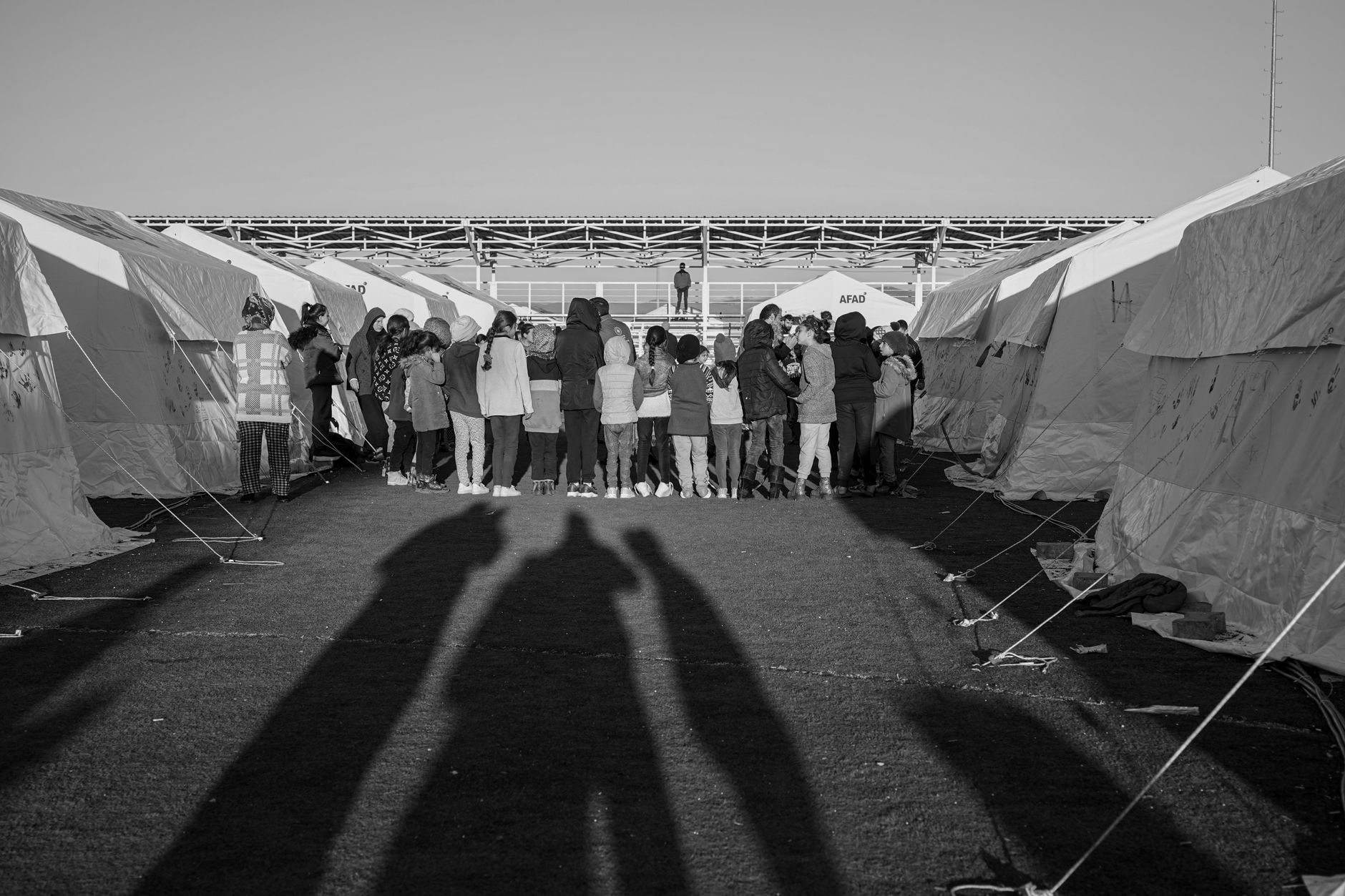
The dugouts are full of mattresses. The pitcher’s mound is buried under cardboard boxes and donated clothes. At the Playa Grande baseball stadium on Venezuela’s central coast, the smell of sweat and cooked rice has replaced the crack of the bat — because nearly 200 families have nowhere else to go.
When two powerful earthquakes struck Venezuela on June 24, killing at least 25 people and leaving thousands homeless across the coastal states of La Guaira and Aragua, the stadium was opened as an emergency shelter almost immediately. Children who once ran the bases here now sleep on foam mats beneath blue and orange tarpaulins strung between the bleachers.
A night that changed everything
María Contreras, 41, lost the back wall of her house in the first quake. The second one, she said, took the rest. “Everything blew up,” she told a reporter while holding her youngest daughter, who is three. “The noise — I still hear it.” She has been sleeping at the stadium for nine days with her four children and her mother.
The quakes struck late in the evening, catching many families asleep. In the coastal town of Caruao, entire hillside neighborhoods collapsed. In La Guaira, cracks split apartment blocks down the middle. Civil protection officials say more than 1,100 homes were damaged or destroyed across both states.
Life inside the stadium
The shelter now holds roughly 340 people, according to staff managing the site. Volunteers set up a makeshift kitchen along the first-base line that serves two meals a day — usually rice, black beans, and plantain. There’s a corner near the scoreboard for children under ten, where a retired teacher named Ramón leads informal classes to keep some routine in fractured days.
But it isn’t easy. There are only six working toilets for the whole group. Water arrives in a truck every other morning and runs out fast. Temperatures inside the stadium regularly hit 34 degrees Celsius by early afternoon.
Still, people say it feels safer than going back.
Aftershocks are keeping families away
Since the June 24 quakes — the strongest measured at magnitude 5.8 — geologists have recorded more than 60 aftershocks in the region. That’s enough to stop most families from returning even to houses that survived mostly intact. Fear, as much as damage, is driving the numbers at shelters like Playa Grande.
A spokesman for Venezuela’s national civil protection agency said the government is “coordinating assessments of all affected structures” and that temporary housing solutions are being arranged, though he gave no specific timeline for when displaced families would be moved.
What comes next
Local officials say they hope to begin structural inspections of residential buildings in La Guaira within the next two weeks. For the families at Playa Grande, that promise feels distant. María Contreras said she doesn’t know when she’ll leave. She doesn’t know if there’s anything left to go back to. So for now, the stadium holds.