Venezuela quakes leave thousands scrambling for food and shelter
The Venezuela quakes have pushed thousands of families already living on the edge into a desperate fight for basic necessities, with food supplies dwindling and temporary shelters overwhelmed across the hardest-hit regions of Sucre and Monagas states.
A crisis layered on top of a crisis
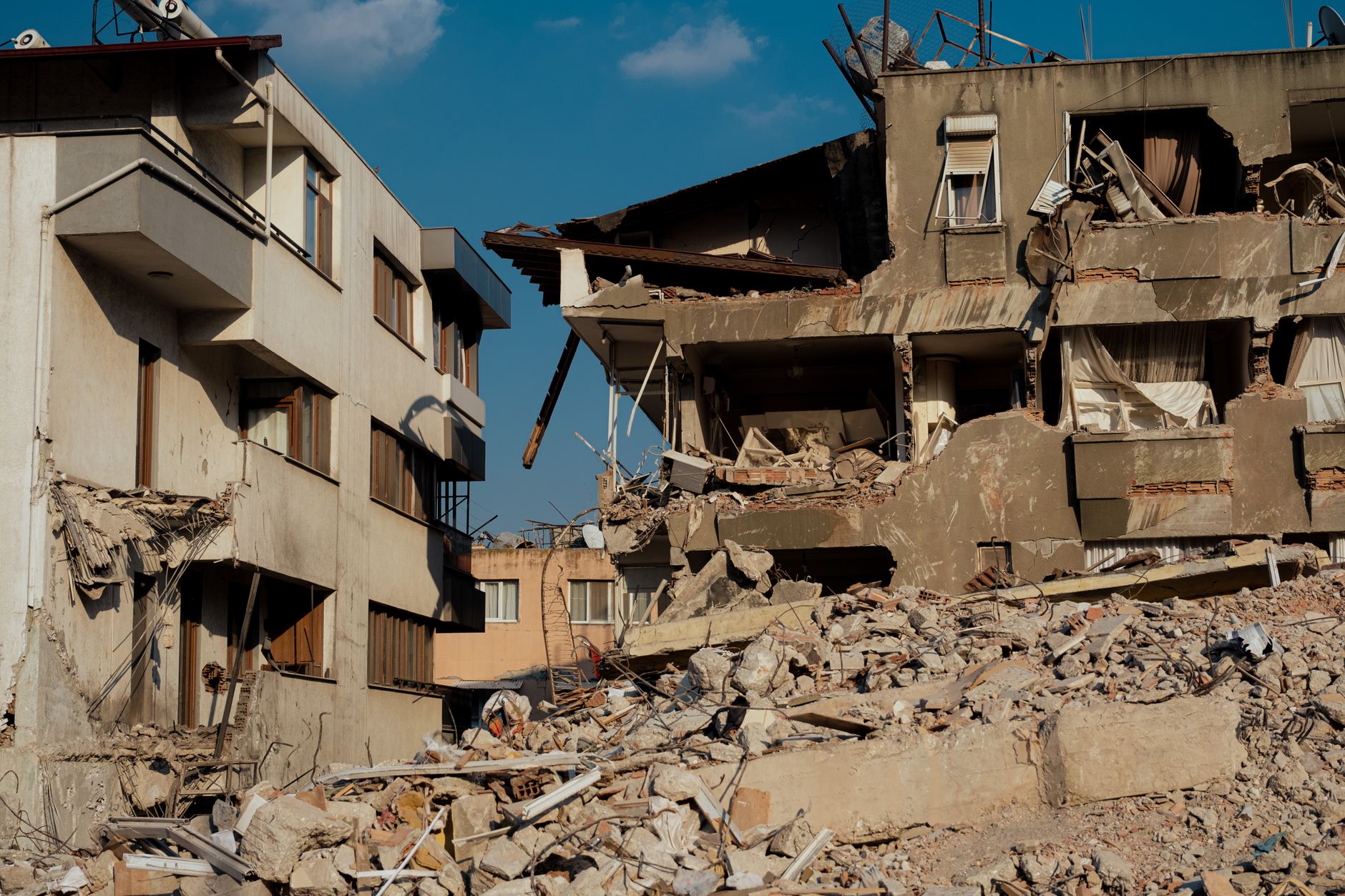
Before the tremors struck, many Venezuelan households were surviving on one meal a day. Now they’re down to less than that. The series of earthquakes, the strongest registering 6.3 magnitude, destroyed an estimated 4,200 homes and damaged food storage facilities that communities had relied on for months. Aid workers arriving in coastal fishing villages found families sleeping on concrete slabs, their kitchens collapsed, their food gone.
It’s not a simple disaster recovery situation. Venezuela’s existing economic collapse meant there was almost no buffer — no savings, no stockpile, nothing to fall back on.
Shelters stretched beyond capacity
Emergency shelters across Cumaná, the capital of Sucre state, are holding roughly three times the number of people they were designed for. Schools converted into evacuation centers are running out of rice, cooking oil and drinking water. Local volunteers have been distributing whatever they can source, but the gaps are widening daily.
Still, some families haven’t made it to shelters at all. In rural areas along the northeastern coast, roads buckled by the quakes have cut off dozens of communities entirely. Relief trucks that set out from Cumaná on Tuesday were turned back twice because of collapsed bridges.
“We are working to reach every affected family, but the logistical challenges are significant and the needs are enormous,” said a spokesperson for Venezuela’s Civil Protection agency, who declined to be named under official protocol.
Children and elderly bearing the worst of it
Humanitarian observers on the ground say children under five and elderly residents are showing the clearest signs of deteriorating nutrition. In one makeshift camp outside Maturín, aid workers counted 340 people sharing food rations meant for 80. Medical volunteers reported treating children for dehydration and adults for stress-related conditions exacerbated by hunger.
And the economic damage compounds everything. Fishing boats — the livelihood for thousands of families along the coast — were destroyed or sunk in the quake-triggered coastal surges. Without boats, there’s no income. Without income, there’s no food to buy even when markets reopen.
Many families have lost everything twice over: first to Venezuela’s years-long economic crisis, now to the disaster itself.
What comes next
International organizations including the Red Cross and the World Food Programme have signaled they’re scaling up operations, but aid officials privately acknowledge it could be two to three weeks before distributions reach full capacity in the most isolated zones. The Venezuelan government has appealed for international assistance, though it’s unclear how quickly those resources will translate into food on the ground.
For thousands of families right now, two to three weeks is a very long time to wait.