Israel halts Gaza Sumud flotilla in daylight operation off Cyprus
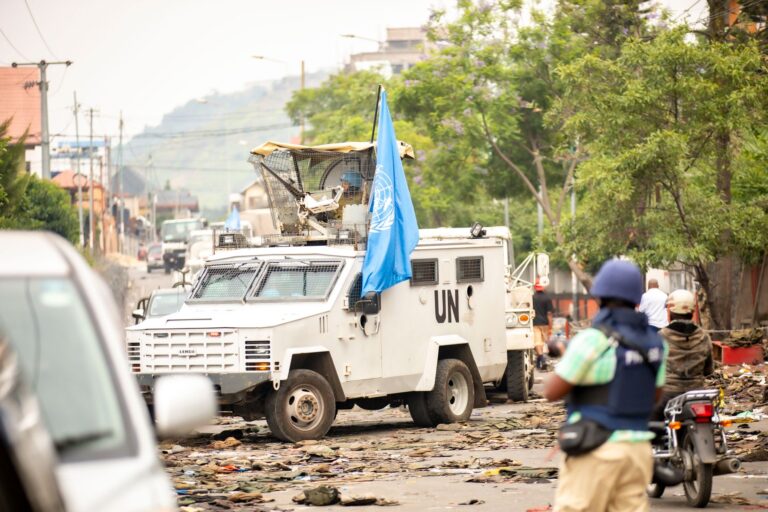
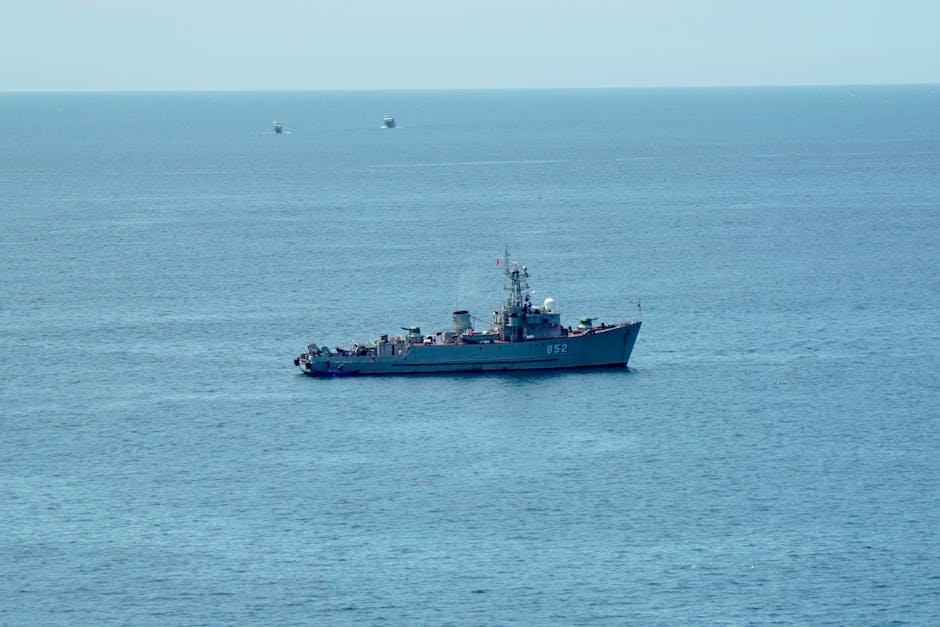
Israeli naval commandos intercepted at least 31 vessels of the Global Sumud Flotilla in international waters approximately 167 kilometres off the coast of Cyprus on Monday 18 May 2026, halting the largest such humanitarian-aid mission in years and triggering condemnation from Turkey, the flotilla organisers, and several European capitals. By Monday evening, an estimated 100 activists had been detained and were reportedly being transferred to the Israeli port of Ashdod for interrogation by Israeli intelligence services.
The operation
The flotilla departed the Turkish port of Marmaris on Thursday 14 May with more than 50 vessels, in what organisers described as the final leg of a journey to challenge Israel’s naval blockade of the Gaza Strip. The Global Sumud Flotilla is the third initiative within a year to attempt the same challenge; an earlier vessel was intercepted off Greece on 30 April. The interception on Monday took place in broad daylight – a tactical departure from the night operations of previous flotillas, and one chosen, according to Israeli officials, to maximise control and minimise media management complexity.
The first vessels were boarded just after midday, with the activists’ livestreams showing crew putting on life jackets and raising hands as Israeli speedboats approached, before the feeds abruptly cut. At least 17 vessels were under Israeli control within three hours of the start of the operation, rising to 31 by evening according to the flotilla’s tracker.
Netanyahu’s message to commanders
Israeli Prime Minister Benjamin Netanyahu, speaking by radio to the commander of the Israeli Navy’s Missile Ship Fleet, framed the operation as a strategic success. “You are doing an outstanding job, both in the first flotilla and in this part as well, and are effectively thwarting a malicious plan intended to break the isolation we are imposing on Hamas terrorists in Gaza”, the Prime Minister said. “You are doing this with great success, and I must say also, quietly, and certainly with less publicity than our enemies expected.”
The Israeli position
The Israeli foreign ministry stated that the flotilla’s purpose was “to serve Hamas, to divert attention from Hamas’s refusal to disarm and to obstruct progress on President Trump’s peace plan”. The ministry rejected claims of an aid crisis in Gaza, asserting that since the October 2025 ceasefire “more than 1.58 million tons of humanitarian aid and thousands of tons of medical supplies have entered Gaza”. The blockade itself, in place since 2007, controls all entry points to Gaza by sea and land.
Turkish reaction: “piracy”
Turkey, the country from which the flotilla departed and a non-EU partner deeply invested in the Palestinian question, condemned the operation as “piracy”. The flotilla itself, in a statement on X published in real time as the operation unfolded, said: “The Israeli occupation has again illegally and violently intercepted our international fleet of humanitarian vessels and abducted our volunteers… We are outraged by the normalisation of these violations of international maritime law and the kidnapping of peaceful civilians in international waters.” The organisers demanded the swift release of the detained activists and the lifting of the Gaza blockade.
The Cypriot vector
The operation took place at a location approximately 167 kilometres from Cypriot territorial waters – well outside the 22-kilometre band recognised under the UN Convention on the Law of the Sea. The Cypriot national centre responsible for search and rescue confirmed it had received no distress calls from the area. President Nikos Christodoulides faced renewed pressure on Monday afternoon from civil society organisations to formally protest the operation, given the proximity to Cypriot waters and the participation of Cypriot citizens among the activist crews.
The European calculation
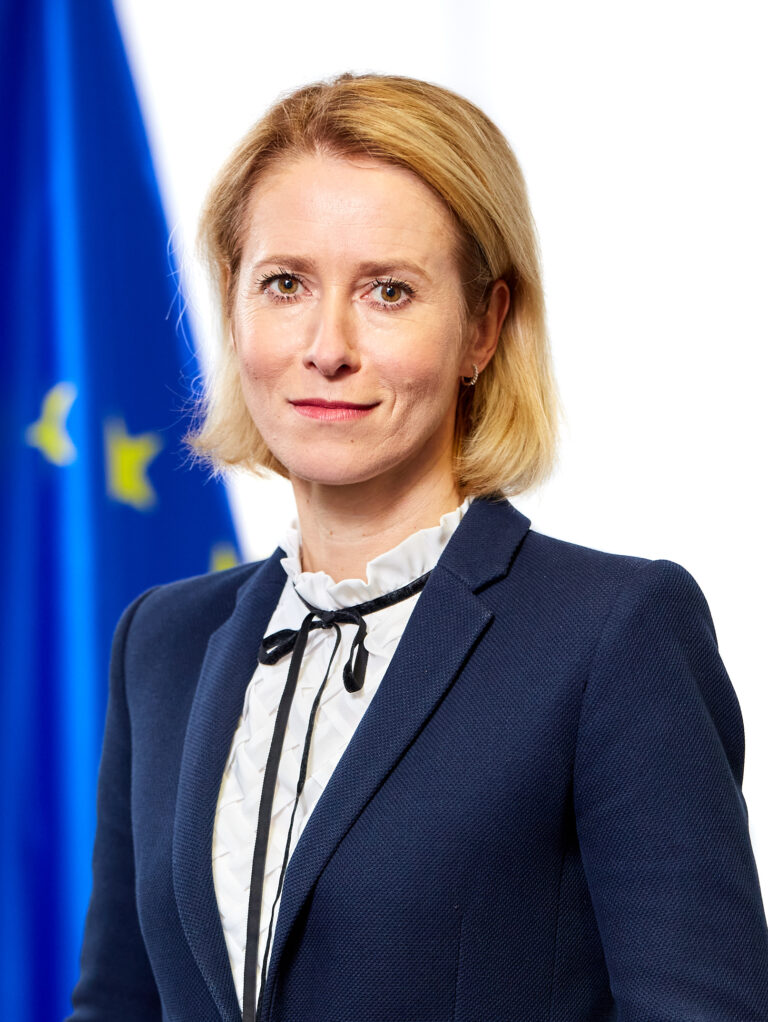
For European Union diplomacy, the operation creates a delicate sequencing problem. The Iran ceasefire of April – itself shaky – has held while Israel and the United States negotiate the long-form arrangements that would close the war. A high-profile interdiction of an aid flotilla in waters close to a member state plays badly into European public opinion, particularly in Spain, Ireland, Belgium and Italy where pro-Palestinian sentiment runs strongest. High Representative Kaja Kallas is expected to address the operation when she answers Question Time on Tuesday in Strasbourg, where the May plenary opened the same afternoon. The diplomatic management of Monday’s events will preoccupy the EU External Action Service into the week.