Senegal lose 3-1 to France in second-half World Cup thriller
France punish Senegal with clinical second half
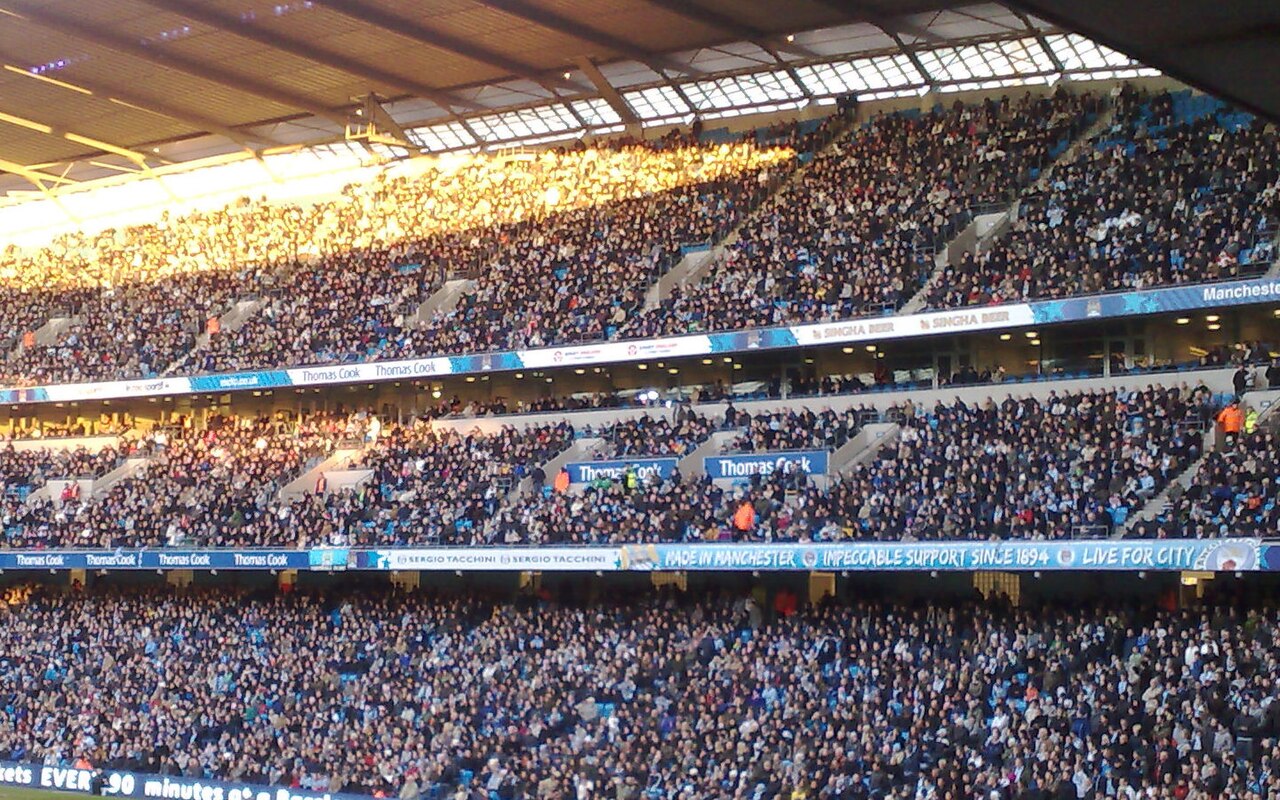
France dismantled Senegal 3-1 in a pulsating World Cup group stage opener at MetLife Stadium in New Jersey on Tuesday night, turning a tight first half into a statement victory with three goals after the break. The Lions of Teranga had their moments, but France’s depth and finishing quality proved simply too much to contain once the second forty-five got going.
Senegal drew first blood through a stunning 34th-minute strike from Ismaïla Sarr, silencing the majority of the 82,000-strong crowd that had packed into the stadium under sweltering New Jersey heat. But France responded swiftly before the break through Kylian Mbappé, and the complexion of the match changed entirely after the restart. Two further goals — one from Antoine Griezmann, another from a devastating counter — sealed the win and sent France to the top of what many are calling this tournament’s group of death.
France coach Didier Deschamps kept his assessment measured. “We knew Senegal had quality and they showed it early,” he said in the post-match press conference. “But our response in the second half was exactly what we asked for.”
A tough night but not a damaging one for Senegal
Senegal won’t see this as fatal. They still have two group games to collect points, and their first-half performance showed they can compete at this level. Coach Aliou Cissé will be frustrated by the defensive lapses that allowed France to run clear, but the tactical shape and the early goal gave genuine reason for belief.
Still, the numbers don’t lie. France finished with 14 shots to Senegal’s 6, and dominated possession at 63 percent after the interval. That gulf in the second half is something Senegal will need to address fast.
Ebola threat looms over African continent
Away from the stadium, Africa CDC issued a stark warning on Tuesday that the ongoing Ebola outbreak in the Democratic Republic of Congo has the potential to become the deadliest in recorded history. Officials reported 127 confirmed cases in the past two weeks alone, with the virus spreading into at least three new provinces. Health workers on the ground say the response is underfunded and dangerously stretched.
The timing matters. With large crowds gathering across the globe for the World Cup, international health authorities are urging heightened screening protocols at major transit hubs.
Soweto uprising marks 50 years
Tuesday also marked exactly 50 years since thousands of Black South African schoolchildren poured into the streets of Soweto on June 16, 1976, to resist apartheid’s forced imposition of Afrikaans as the language of instruction in their schools. Police opened fire. At least 176 students were killed that day, though many historians put the number far higher. The uprising became a turning point in the global anti-apartheid movement.
South Africa held national commemorations on Tuesday, with President Cyril Ramaphosa laying a wreath at the Hector Pieterson Memorial in Soweto — a reminder that the beautiful game being played in New Jersey carries echoes of struggles far older than any tournament.