Kaja Kallas responds to Israeli minister’s threat to cut contact
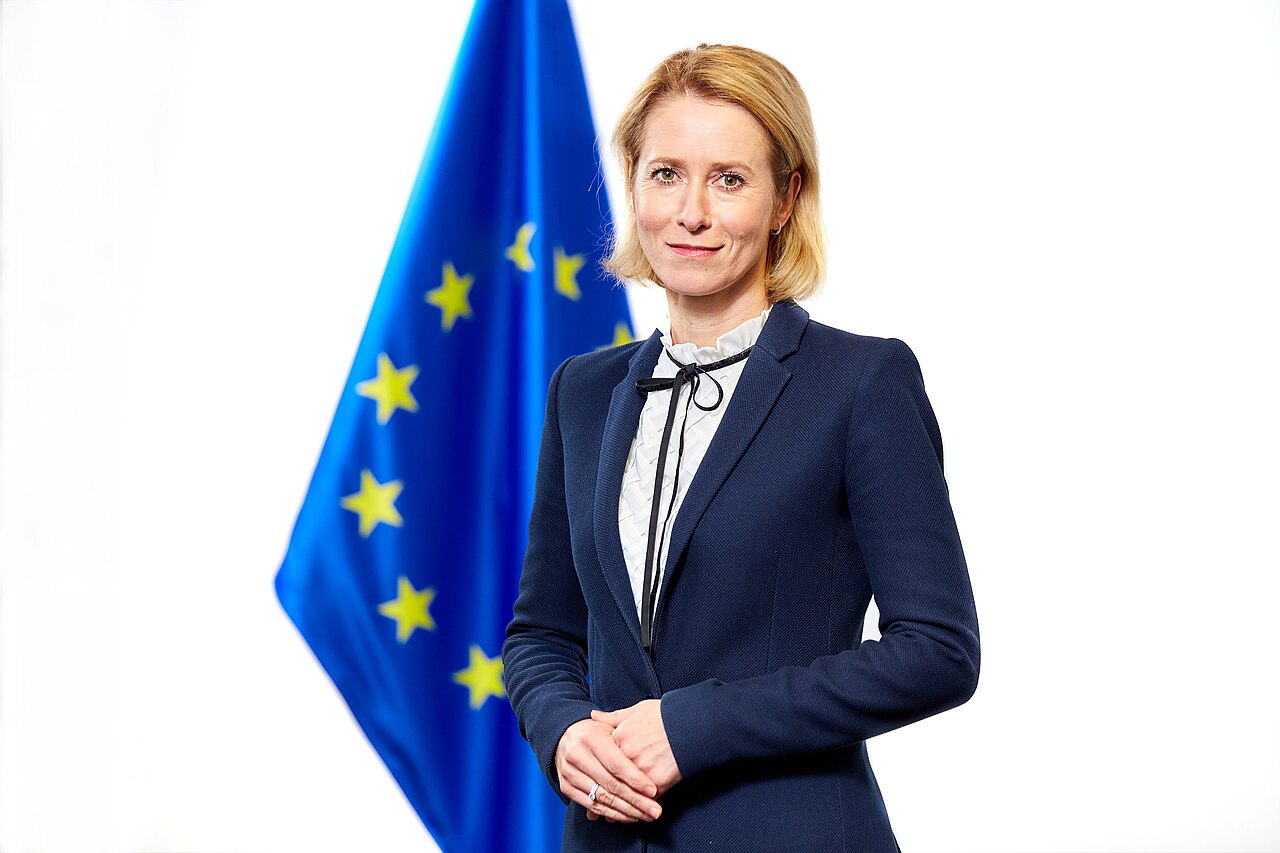
EU foreign policy chief Kaja Kallas has issued a carefully worded response after Israeli Foreign Minister Gideon Sa’ar announced he would sever all contact with her, in a diplomatic spat that threatens to deepen the already strained relationship between Israel and the European Union.
What Kallas actually said
Kallas said she valued “dialogue and engagement” with Israel, stopping well short of an apology or any direct acknowledgment of the row. Her statement, released Tuesday, made no reference whatsoever to the comment that triggered Sa’ar’s fury — a reported remark in which she allegedly described Israel’s treatment of Palestinians as apartheid. It’s a notably thin response given the severity of the diplomatic fallout.
She didn’t deny saying it either. That silence is telling.
What sparked the breakdown
Sa’ar announced his decision to cut contact with Kallas via a post on X, calling her alleged remark “outrageous” and “antisemitic.” He said Israel would not engage with someone who used such language. The Israeli foreign ministry confirmed the position shortly after, with a spokesperson saying the decision stood unless Kallas offered a clear retraction. No timeframe was given for any potential review.
But the situation isn’t entirely new ground. Relations between Brussels and Tel Aviv have been deteriorating for months, particularly since the International Criminal Court issued arrest warrants in November 2024 for Israeli Prime Minister Benjamin Netanyahu and former Defense Minister Yoav Gallant over alleged war crimes in Gaza. Several EU member states indicated they would enforce those warrants. Israel called that a deeply hostile act.
The wider EU dimension
Kallas, the former Estonian Prime Minister who took over as the EU’s top diplomat in December 2024, is still finding her footing on one of the bloc’s most fractious foreign policy issues. The 27-member EU is far from unified on Israel-Palestine. Countries like Hungary and the Czech Republic have been broadly sympathetic to Israel, while Spain, Ireland, and Belgium have been sharply critical of the Gaza offensive, which has killed more than 46,000 Palestinians according to Gaza health ministry figures.
A senior EU official familiar with the situation said the bloc remained committed to maintaining open channels with all parties in the region, though they declined to comment directly on Sa’ar’s announcement.
What happens next
So where does this leave things? The practical impact of Sa’ar’s decision remains to be seen. Kallas still has direct relationships with other Israeli officials and can engage through member state diplomats. Still, having the foreign minister of a key Middle East partner refuse to pick up the phone is hardly a minor inconvenience for someone trying to project EU influence in the region.
And with Gaza ceasefire negotiations, Iran tensions, and a possible two-state solution push all demanding active diplomacy, the timing couldn’t be more awkward. Whether Kallas eventually addresses the apartheid comment directly — or continues to sidestep it — will likely define how quickly, if at all, this particular rift gets repaired.