Japanese fans’ World Cup cleanup sparks housework debate at home
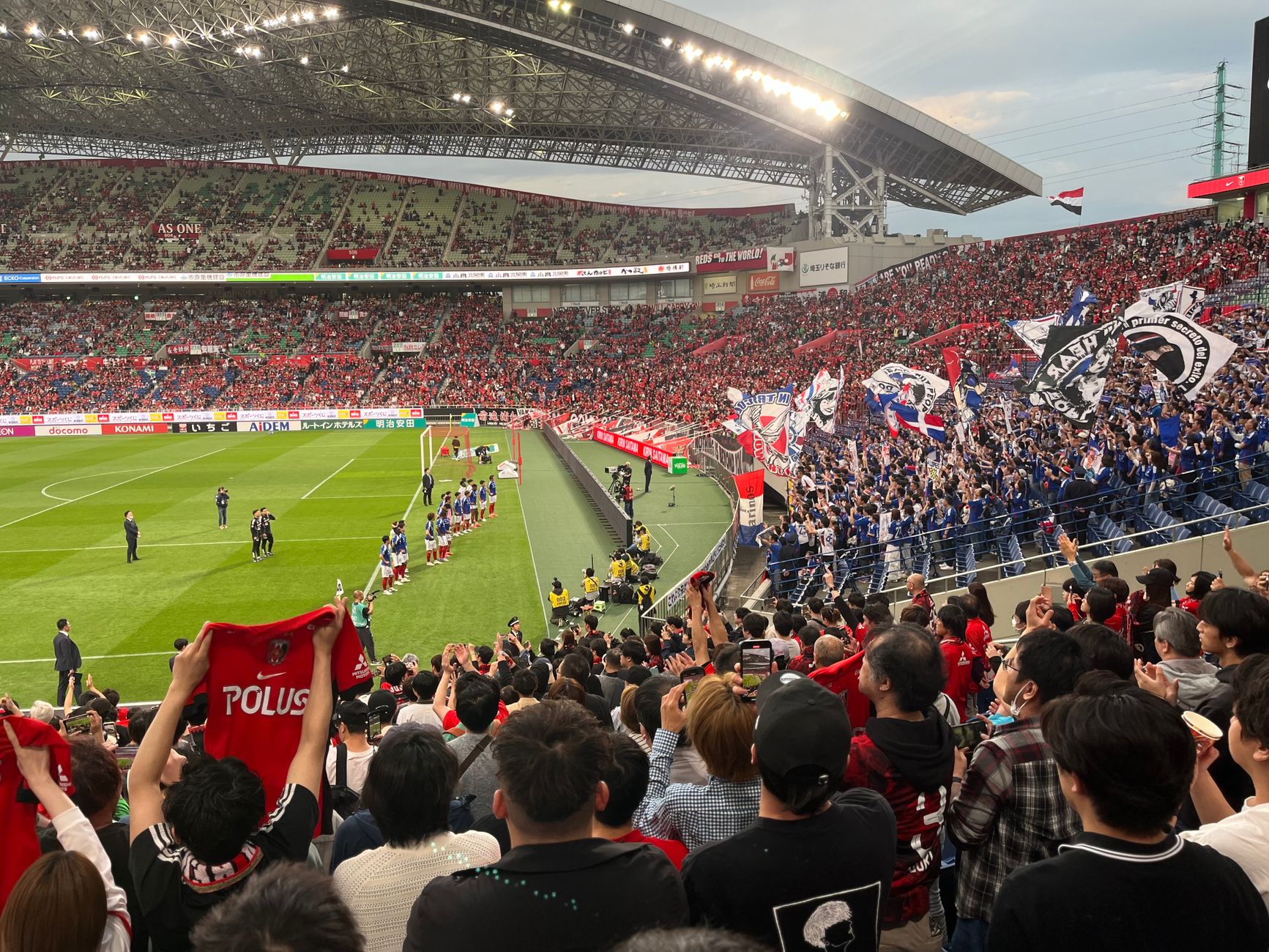
Japanese football fans have become global symbols of sportsmanship for years, staying behind after matches to collect trash from stadium seats. But now, a growing number of Japanese women are asking an uncomfortable question: why won’t those same men pick up a broom at home?
The cleanup that went viral — again
At the 2022 World Cup in Qatar, videos of Japanese supporters filling blue plastic bags with cups, wrappers, and food containers spread across social media within hours of each match. It happened again at the 2023 Women’s World Cup in Australia. The images drew millions of views and thousands of admiring comments from around the world. Japan’s Football Association called the behavior a reflection of national values, a spokesperson describing it as “a natural expression of respect for the host country.”
But back in Japan, not everyone was impressed.
Women push back on the ‘double standard’
On Japanese social media platform X, formerly Twitter, the hashtag roughly translating to “clean your own house first” gained over 40,000 posts in a single week following the Qatar footage resurfacing online. Women shared pointed comments, memes, and personal stories. One post, liked more than 120,000 times, read simply: “My husband left his socks on the floor this morning. He cleans stadiums in 12 countries though.”
The frustration isn’t without statistical backing. According to Japan’s internal affairs ministry, Japanese women perform an average of 4.5 hours of unpaid domestic labor per day, compared to just 51 minutes for men. That gap is one of the largest among developed nations and has barely shifted in two decades.
Sociologists say the stadium cleanup, while genuinely admirable, can mask an uncomfortable reality at home. The public performance of civic virtue doesn’t always translate into private responsibility.
A cultural contradiction hiding in plain sight
Japan has long cultivated a concept called “soto” and “uchi” — roughly, the outside world and the home. Behavior in public spaces carries social weight and reflects on the group. What happens inside the house is considered private, personal, and historically a woman’s domain.
That cultural split helps explain how the same man can meticulously sort stadium waste into four separate recycling bags and then leave dirty dishes stacked in the sink for three days. It’s not hypocrisy exactly. But it is a contradiction that millions of Japanese women are no longer staying quiet about.
What happens next
Advocacy groups are using the renewed attention to push for policy changes, including stronger enforcement of Japan’s 2015 Work-Life Balance Charter and expanded subsidies for domestic labor education programs. Some companies have already begun piloting “household equity” workshops for male employees.
The 2026 World Cup in the United States, Canada, and Mexico will almost certainly bring another round of viral cleanup videos featuring Japanese fans. And those videos will almost certainly reignite this same conversation.
The stadium looks great. The question now is whether the living room gets the same attention.