Iran’s ayatollah backs US framework deal despite personal reservations
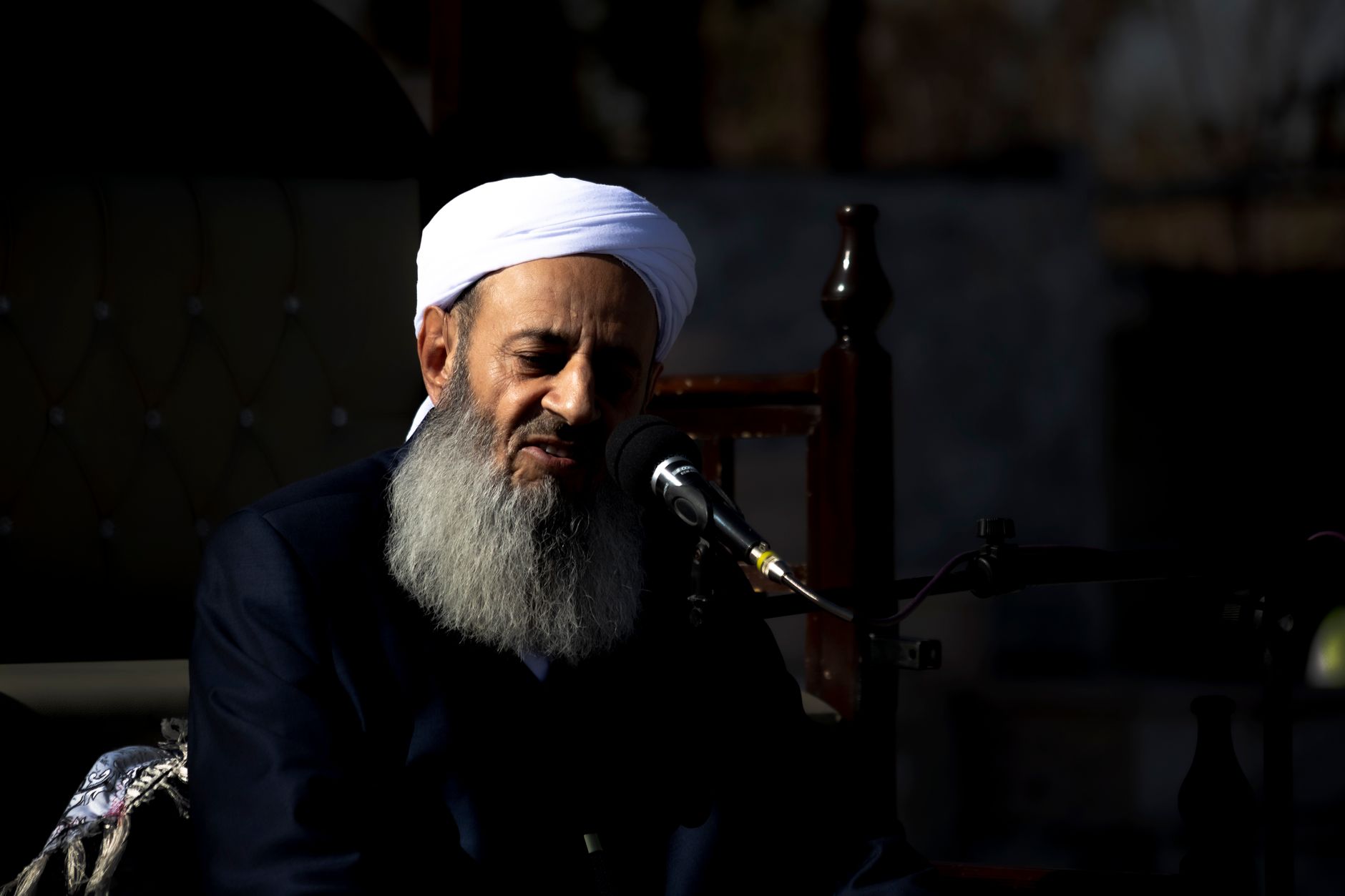
Iran’s Supreme Leader Ayatollah Ali Khamenei has given his blessing to a framework nuclear agreement with the United States, even while admitting he holds a “different view” on the deal — a rare public acknowledgment of internal tension that could shape the fragile diplomacy ahead.
Khamenei’s reluctant endorsement
The ayatollah’s statement, delivered Thursday, stopped well short of enthusiasm. He said he approved the framework because officials he trusted had recommended it, not because he personally believed in its merits. That’s a significant caveat. In Iran’s political structure, Khamenei has final say on virtually everything, and his tepid backing could complicate how negotiators move forward.
He didn’t name specific objections, but Iranian hardliners have long insisted that any deal allowing Western inspectors near their nuclear facilities represents a sovereignty threat. The country currently enriches uranium to 60 percent purity — well above the 3.67 percent cap set under the 2015 JCPOA — and walking that back will be politically painful domestically.
Vance defends the deal from Washington
US Vice President JD Vance pushed back firmly against critics on the American side. Speaking to reporters Friday, he called the framework “a serious step” and confirmed he would likely travel to Switzerland in the coming weeks for talks aimed at converting the preliminary agreement into a binding long-term deal.
Still, Vance was careful not to oversell it. He acknowledged that “significant technical details” remain unresolved and that the administration expects the negotiations to be difficult. He put no specific timeline on a final agreement.
The talks so far have taken place in Oman and Rome, with Omani Foreign Minister Badr al-Busaidi serving as a key intermediary. Four rounds of negotiations have been held since early April.
What the framework actually covers
Details remain sparse, but officials familiar with the discussions say the framework addresses uranium enrichment limits, the timeline for potential sanctions relief, and a verification mechanism that would involve International Atomic Energy Agency inspectors. Whether Iran would be allowed to maintain any domestic enrichment capacity — a redline for Tehran — is still being negotiated.
One senior Western diplomat described the mood as “cautiously functional, not celebratory.”
That phrase about sums up where things stand.
What comes next
The Switzerland talks, if they happen as Vance suggested, would mark the highest-level direct engagement between US and Iranian officials since the Trump administration withdrew from the JCPOA in 2018. That withdrawal triggered years of escalation — Iran began dramatically expanding its nuclear program, and the two countries came close to military confrontation at least twice.
Now, with Iran’s economy under severe strain from sanctions and Khamenei apparently persuaded — however reluctantly — to give diplomacy a chance, there’s a narrow window. But narrow windows have closed before. Both governments face domestic pressure to walk away, and a single provocative incident could derail everything. The next 60 days will tell a great deal.