
E5 leaders push to show Europe can deliver for Ukraine
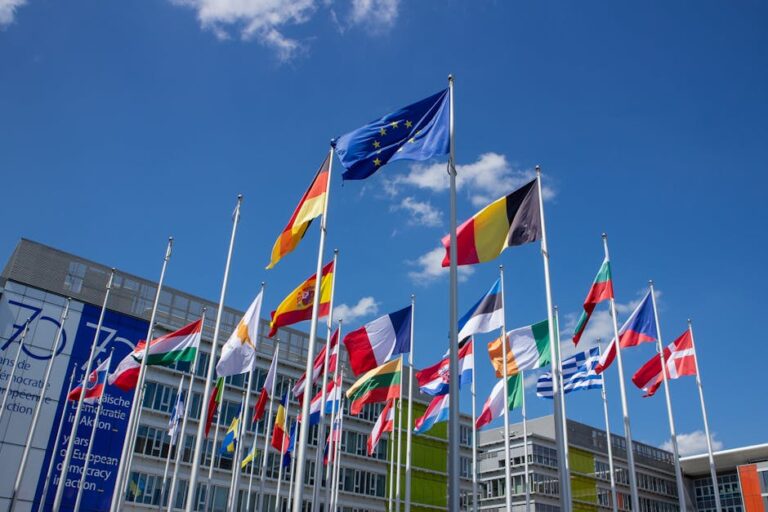
Europe’s five most powerful leaders gathered this week in a high-stakes show of unity, determined to prove that the continent’s support for Ukraine is more than diplomatic theater. The so-called E5 — the heads of state and government from France, Germany, the United Kingdom, Poland, and Italy — met amid growing pressure to demonstrate that European nations can fill the security gap as Washington’s commitment to Kyiv remains uncertain under the Trump administration.
What the E5 summit actually produced
The meeting yielded concrete pledges totaling roughly €21 billion in new military aid commitments for 2025, according to officials familiar with the talks. That’s on top of existing bilateral packages. Participants agreed to accelerate delivery of air defense systems, artillery ammunition, and armored vehicles — areas where Ukraine’s battlefield needs have been most acute. But the headline figures alone won’t silence critics who point to a persistent gap between European announcements and actual deliveries on the ground.
Still, the symbolism mattered. This was the first time all five leaders sat together specifically to coordinate Ukraine strategy outside of a broader NATO or EU framework.
The credibility problem Europe hasn’t fully solved
It’s no secret that Europe has struggled to match its rhetoric with hardware. Promised deliveries of F-16-compatible munitions and long-range missiles have repeatedly slipped behind schedule. Germany, for its part, only recently cleared a political logjam over Taurus cruise missiles after months of internal debate. And Poland, while among the most hawkish on aid, has faced its own logistical bottlenecks moving equipment eastward fast enough.
“We understand the urgency, and that urgency is now reflected in how we’re structuring these commitments,” one senior European official said, declining to be named ahead of formal announcements.
Ukraine’s military has been fighting with critical shortfalls in artillery shells — at one point firing as few as 2,000 rounds per day compared to Russia’s estimated 10,000. Closing that gap remains the single most pressing ask from Kyiv’s commanders.
Washington’s shadow over the talks
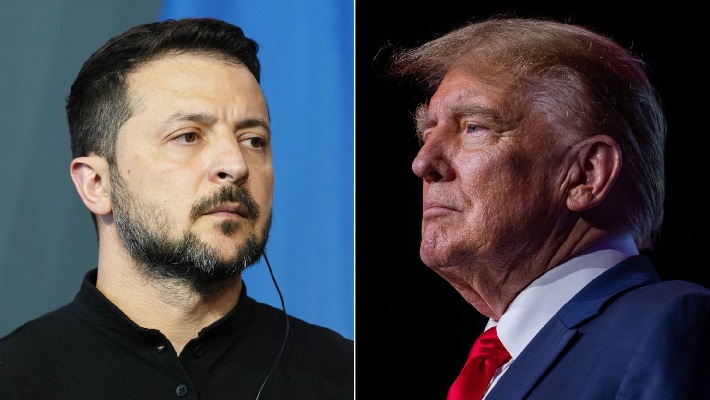
The E5 meeting didn’t happen in a vacuum. It came just days after fresh signals from Washington that U.S. military assistance could face further restrictions or delays depending on diplomatic developments between the Trump administration and Moscow. European capitals, long reliant on American logistics and intelligence-sharing, are now scrambling to build parallel capacity. That won’t happen overnight — or cheaply.
France and the UK are pushing to expand the use of frozen Russian sovereign assets, currently worth around €300 billion, to directly fund Ukrainian procurement. Germany and Italy remain cautious about the legal exposure involved. Poland simply wants faster action, full stop.
What comes next
The E5 leaders are expected to present a unified position at the next NATO foreign ministers meeting. Whether that unity holds when it comes to domestic budget votes and public opinion back home is a different question entirely. Ukraine’s winter could settle the debate faster than any summit communiqué.