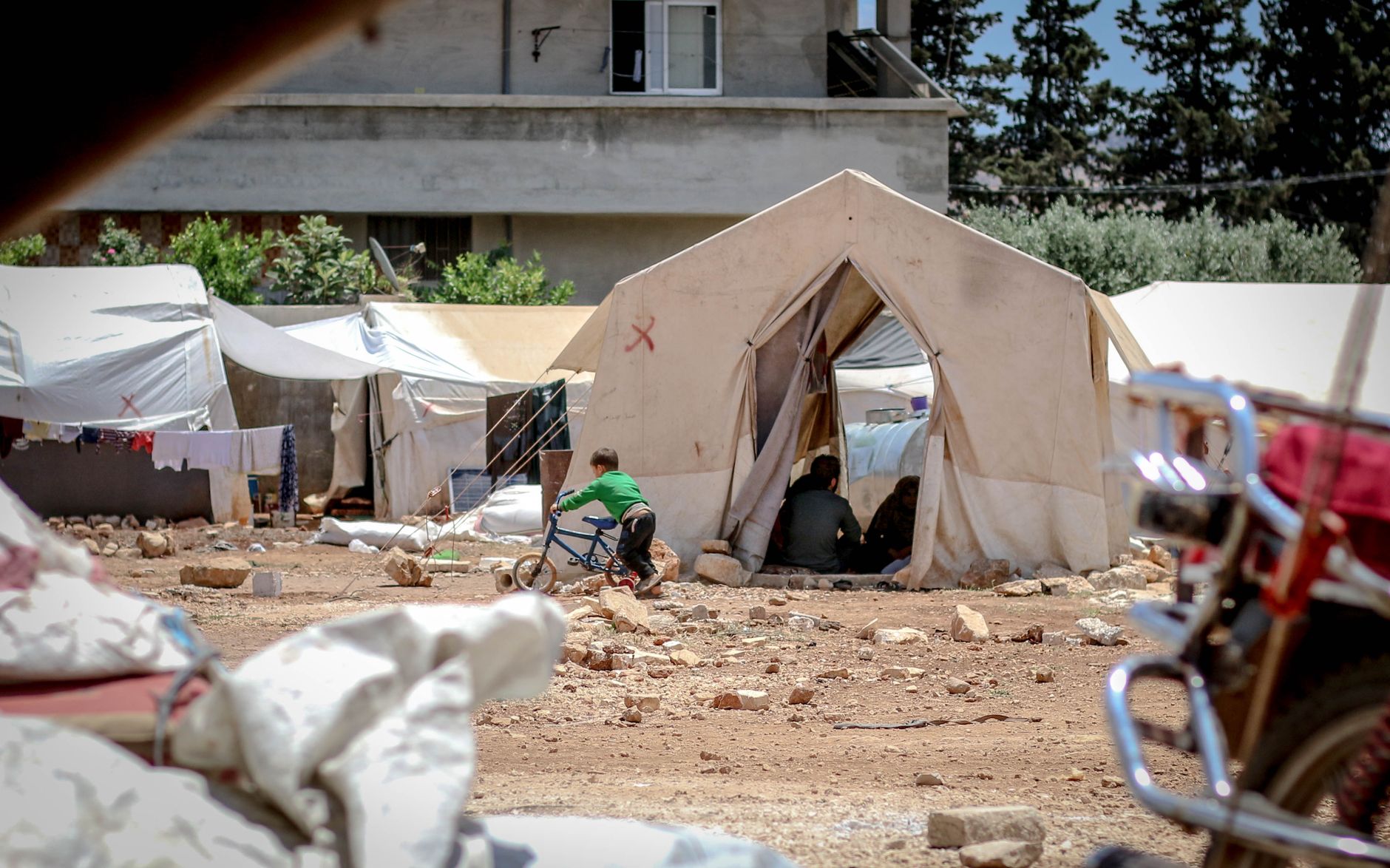
Sudan: ‘El Obeid must not become the next crime scene’, warn UN investigators
UN human rights investigators have warned that the city of El Obeid could be the next site of mass atrocities in Sudan, days after releasing a damning report finding that RSF militia violence against civilians in El Fasher bears the hallmarks of genocide.
What happened in El Fasher
The independent UN Fact-Finding Mission on Sudan documented a wave of attacks carried out by the Rapid Support Forces in El Fasher during October. Investigators found evidence of mass killings, systematic abductions and gang rapes targeting civilian populations in the city, which sits in North Darfur and is the last major urban centre in the Darfur region not under RSF control.
The scale was staggering. Hundreds of civilians were killed in a matter of weeks, investigators said, with women and girls subjected to sexual violence used deliberately as a weapon of war. Bodies were left in the streets. Entire neighbourhoods were emptied.
That’s not incidental violence. That’s a pattern.
El Obeid now in the crosshairs
But El Fasher isn’t the only city at risk. The UN investigators specifically flagged El Obeid, the capital of North Kordofan state, as a potential next target. RSF forces have been massing in surrounding areas, and the civilian population there has seen a sharp increase in displacement and fear in recent weeks.
“El Obeid must not become the next crime scene,” the mission stated in its Wednesday briefing, calling on the international community to act before the situation deteriorates further. The warning was blunt and deliberate — a direct appeal to Security Council members who have so far failed to take binding action on Sudan.
A UN official familiar with the investigation said the evidence gathered points to a coordinated military strategy, not random violence. “What we’re seeing is organised, targeted and designed to terrorise,” the official said.
A genocide finding with no enforcement mechanism
The mission’s conclusion that the El Fasher attacks bear markers of genocide is significant — but it doesn’t automatically trigger a legal process. The word carries enormous weight under international law, yet it won’t by itself compel any government or body to intervene. That’s the frustrating reality the investigators are working within.
Sudan’s 20-month civil war, which erupted in April 2023 between the Sudanese Armed Forces and the RSF, has killed tens of thousands of people and displaced more than 11 million. It’s considered one of the worst humanitarian crises in the world right now, and it’s receiving a fraction of the international attention it demands.
What comes next
Investigators are pushing for immediate protective measures in El Obeid, including humanitarian access corridors and international monitors on the ground. So far, the RSF has shown no sign of pulling back from the areas surrounding the city.
The UN Human Rights Council is expected to review the mission’s full findings in the coming weeks. Whether that review translates into pressure — real, consequential pressure — remains deeply uncertain.