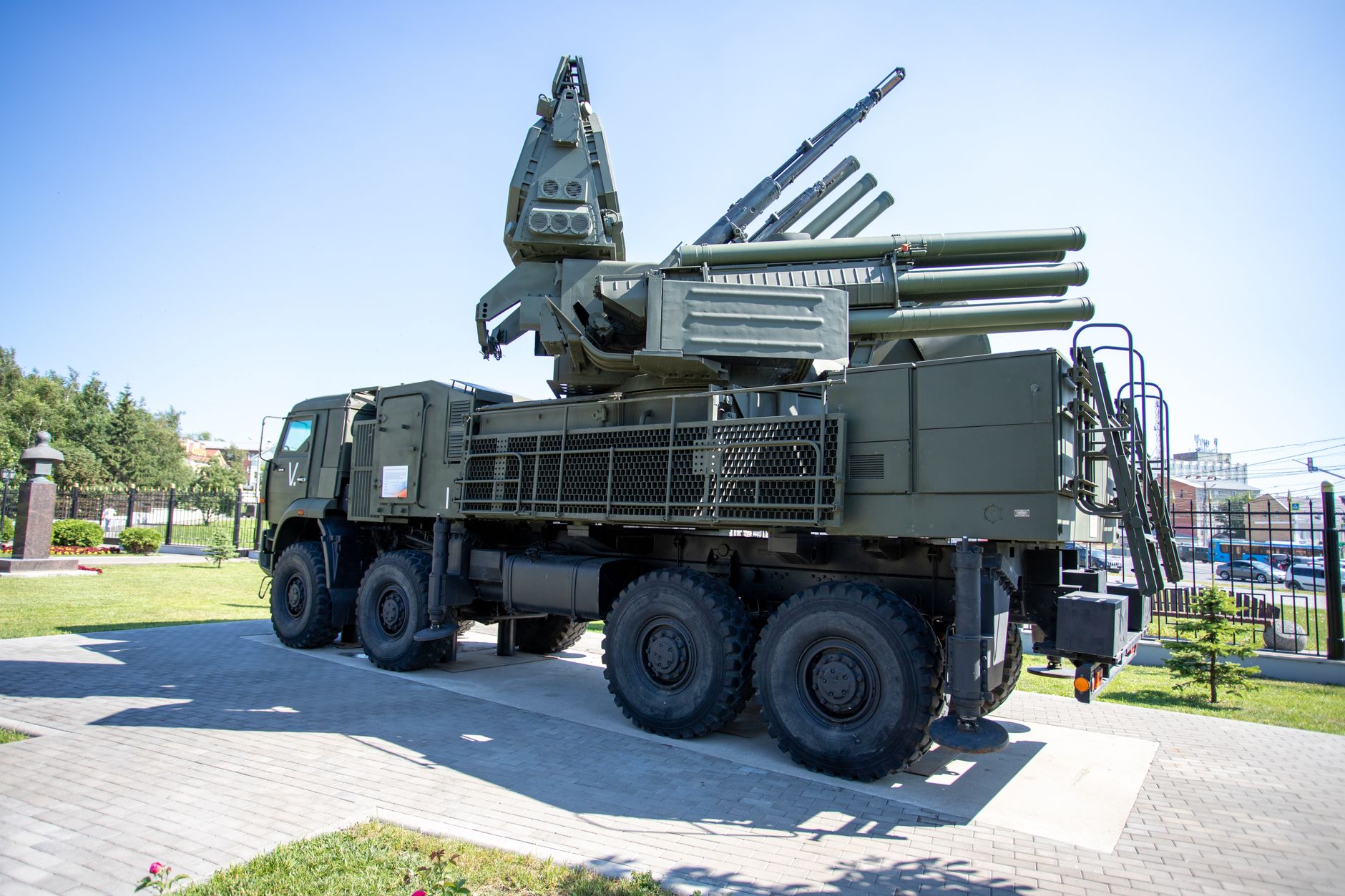
Patriot missile license a ‘long-term’ investment for Ukraine
Donald Trump’s announcement that the United States will license Ukraine to manufacture its own Patriot missile interceptors has been welcomed in Kyiv as a significant step — but experts are already tempering expectations about what it actually means for a country fighting a war today.
The move, which caught many in Washington off guard, would allow Ukraine to produce the advanced air defense interceptors domestically rather than relying entirely on deliveries from American stockpiles. It’s a shift in posture that signals a longer American commitment to Ukrainian defense, even as Trump has pursued a complicated relationship with Kyiv since returning to the White House.
Why this matters — and why it doesn’t fix things now
The Patriot system is widely considered the gold standard of air defense. A single interceptor costs roughly $4 million, and Ukraine burns through them fast. Russian missile barrages have intensified in recent months, hitting energy infrastructure and civilian targets across the country. So the logic of domestic production is obvious: it reduces dependence on American political will and supply chains.
But building that capacity won’t happen overnight. Defense analysts estimate it could take anywhere from three to five years before Ukrainian facilities could produce interceptors at any meaningful scale — assuming funding, technology transfer, and raw material access all fall into place without delays.
That’s a long time when the front line is moving.
The industrial challenge facing Kyiv
Ukraine’s defense industry has shown real resilience since 2022, ramping up drone production in particular. But manufacturing a Patriot interceptor is a different category of challenge. It requires precision components, specialized manufacturing equipment, and technical expertise that takes years to embed in a workforce.
A senior European defense official, speaking on condition of anonymity, said the license was “a serious and welcome signal” but cautioned that “the gap between licensing and production capacity is enormous, and Ukraine will need substantial industrial support to close it.”
There’s also the question of cost. Ukraine’s defense budget is already heavily subsidized by Western allies. Stood up from scratch, a domestic Patriot production line would require billions in capital investment before a single interceptor rolls off it.
The political calculus behind Trump’s move
Trump’s decision is being read by some analysts as a way to offer Ukraine a long-term lifeline while avoiding the politically sensitive step of sending more interceptors directly from US military reserves. It lets him appear supportive without immediately depleting American stockpiles — a balance he’s clearly been trying to strike.
And it gives Kyiv something concrete to point to, even if the timeline is frustrating. Ukrainian officials have been pushing for greater self-sufficiency for months, arguing that dependency on foreign deliveries leaves them strategically exposed whenever political winds shift in Washington or European capitals.
Whether Ukraine can survive the wait long enough to benefit from what it’s been promised is the question that nobody in Kyiv or Washington has a clean answer to right now.