Strait of Hormuz: UN calls for diplomacy as attacks spike
The Strait of Hormuz is once again at the center of a dangerous standoff, with UN agencies issuing urgent calls Monday for diplomatic de-escalation after a wave of strikes tied to the intensifying conflict between the United States and Iran threatened to choke off one of the world’s most critical commercial shipping corridors.
What’s happening in the strait
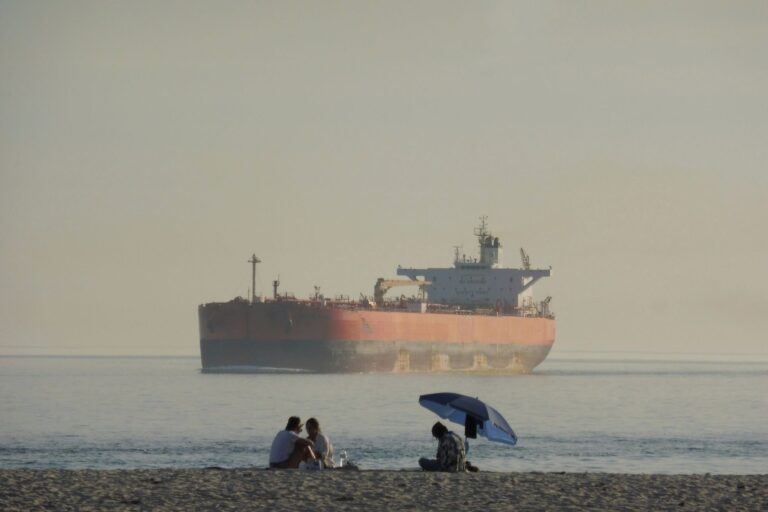
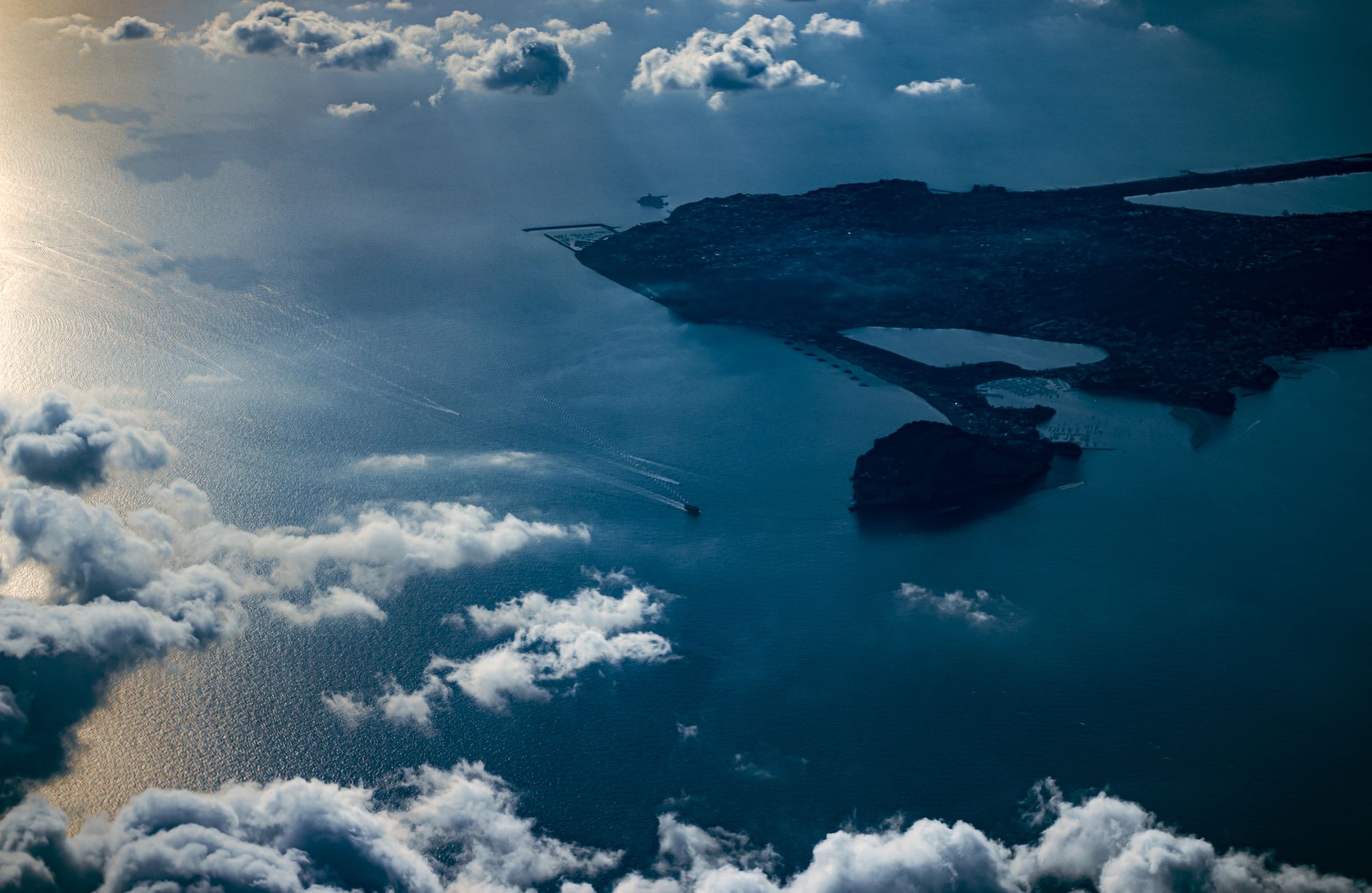
Roughly 20 percent of the world’s oil supply passes through the narrow waterway, which at its tightest point measures just 21 miles wide. Both Washington and Tehran have claimed authority over the route in recent weeks, and that dispute has turned violent. At least seven commercial vessels have reported damage or near-misses since the latest round of hostilities escalated, with shipping insurance premiums jumping more than 40 percent in a matter of days.
The strikes haven’t spared civilian infrastructure. Port operations near Bandar Abbas have been partially suspended, and several energy tankers have rerouted around the Cape of Good Hope, adding weeks and millions of dollars in costs to global supply chains already under strain.
UN agencies demand a ceasefire on the water
The UN Conference on Trade and Development and the International Maritime Organization jointly released a statement Monday calling the situation “untenable” and demanding that all parties immediately halt attacks on commercial shipping. It’s the strongest coordinated language from UN bodies since the conflict began intensifying last month.
“The Strait of Hormuz cannot become a battlefield,” said a senior IMO spokesperson. “Every vessel targeted is a blow to global trade and to the workers and communities that depend on it.”
Still, neither the US Navy’s Fifth Fleet nor Iranian Revolutionary Guard commanders have signaled any willingness to pull back. American destroyers are currently operating in the region alongside two carrier strike groups, and Iran has conducted what officials in Tehran described as “defensive exercises” near the strait’s northern edge.
Economic fallout is already spreading
The disruption is real and it’s moving fast. Brent crude climbed to $97 a barrel Monday morning, its highest point in fourteen months. Asian markets wobbled, and South Korean and Japanese officials — both heavily dependent on Gulf oil imports — convened emergency meetings to assess their exposure.
Shipping giant Maersk confirmed it had diverted three vessels away from the strait indefinitely.
The economic pain isn’t limited to energy markets. Container shipping delays are rippling into electronics manufacturing, automotive supply chains, and food imports across Southeast Asia and East Africa.
What comes next
Diplomatic back-channels are reportedly open, but quietly. European Union foreign policy officials confirmed Monday that informal talks were underway in Oman, though they declined to provide specifics. Qatar, which has previously served as an intermediary between Washington and Tehran, hasn’t confirmed any active mediation role.
And the window for de-escalation may be narrowing. With US midterm political pressures mounting and hardliners on both sides pushing for escalation, analysts warn that the Strait of Hormuz could tip from a crisis zone into something far harder to walk back.