Hungarian president Tamás Sulyok signs amendment ending his own mandate
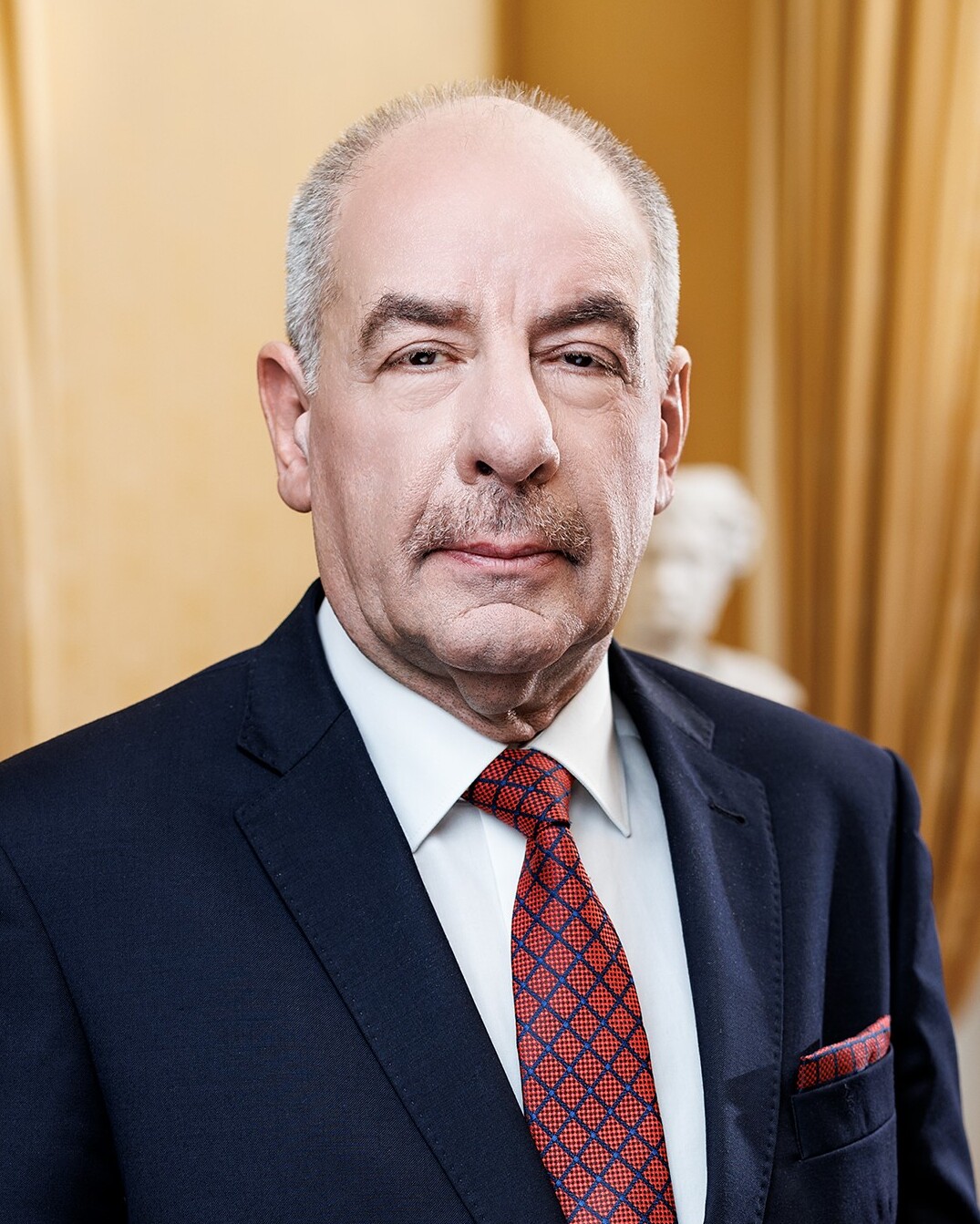
Hungarian president Tamás Sulyok has signed a constitutional amendment that will terminate his own presidency, making an announcement on Facebook on Saturday that immediately triggered a countdown to his departure from office. The seventeenth amendment to Hungary’s Fundamental Law will take effect in the coming days, and Sulyok’s mandate ends the day after it does.
What the amendment actually does
The change is surgical in its scope. It doesn’t overhaul Hungary’s system of government or rewrite sweeping sections of the constitution. It does one specific thing: it cuts short the sitting president’s term. Sulyok, a former constitutional court judge who took office in March 2024, will serve one of the shortest presidential stints in the country’s post-communist history. His full mandate was supposed to run five years.
The amendment is the 17th modification to the Fundamental Law since it was adopted in 2011, a document that critics have long argued Prime Minister Viktor Orbán’s Fidesz party treats as a flexible tool rather than a fixed framework. Still, even by Hungarian standards, an amendment written to end the sitting president’s own mandate is unusual.
Sulyok’s announcement and what he said
Sulyok broke the news himself, posting directly to Facebook rather than issuing a formal statement through the presidential palace. The low-key delivery matched the brevity of the message. He confirmed he had signed the amendment and acknowledged its consequences for his position. There was no lengthy farewell, no detailed explanation of the political circumstances behind the move.
A spokesperson close to the process said the transition is expected to be orderly and swift, with institutional continuity as the priority.
The political backdrop
So why is this happening? Hungary’s political landscape rarely produces moves without Fidesz’s fingerprints, and Sulyok’s presidency was never entirely separate from the ruling party’s calculations. His elevation to the role came after Katalin Novák resigned in February 2024 following a clemency scandal that shook even loyalists within the party. Sulyok was seen as a stabilizing, low-profile choice. But political calculations shift.
Orbán’s government hasn’t provided an extensive public rationale for the constitutional change. That’s not uncommon in Budapest, where major decisions are often announced with minimal advance notice and even less public deliberation.
What comes next
Hungary’s parliament will now need to elect a new president. Under the Fundamental Law, the National Assembly chooses the head of state, meaning Fidesz, which holds a two-thirds supermajority, will effectively decide who takes the role. An election is expected within 30 days of the vacancy opening.
The next president will inherit a ceremonial post that nonetheless carries real symbolic weight, particularly as Hungary navigates tensions with the European Union and positions itself ahead of a complex domestic political calendar. Whoever it is, they’ll need Fidesz’s blessing to get there. And in today’s Hungary, that’s the only blessing that counts.