Franco-German battle tank project on the brink as Berlin pulls back
The long-troubled joint Franco-German battle tank programme appears to be heading for collapse after Germany’s defence minister signalled Berlin may pursue its own path forward, dealing what could be a fatal blow to one of Europe’s most ambitious defence cooperation projects.
What the minister actually said
German Defence Minister Boris Pistorius stopped well short of officially burying the Main Ground Combat System, known as MGCS, but his comments left little room for optimism. Speaking to reporters this week, he acknowledged that the two countries remain far apart on fundamental questions about the tank’s design, workshare arrangements, and who controls the final product. “We can’t keep waiting indefinitely,” one senior German defence official said, reflecting the growing impatience in Berlin with a programme that has been stalled for years.
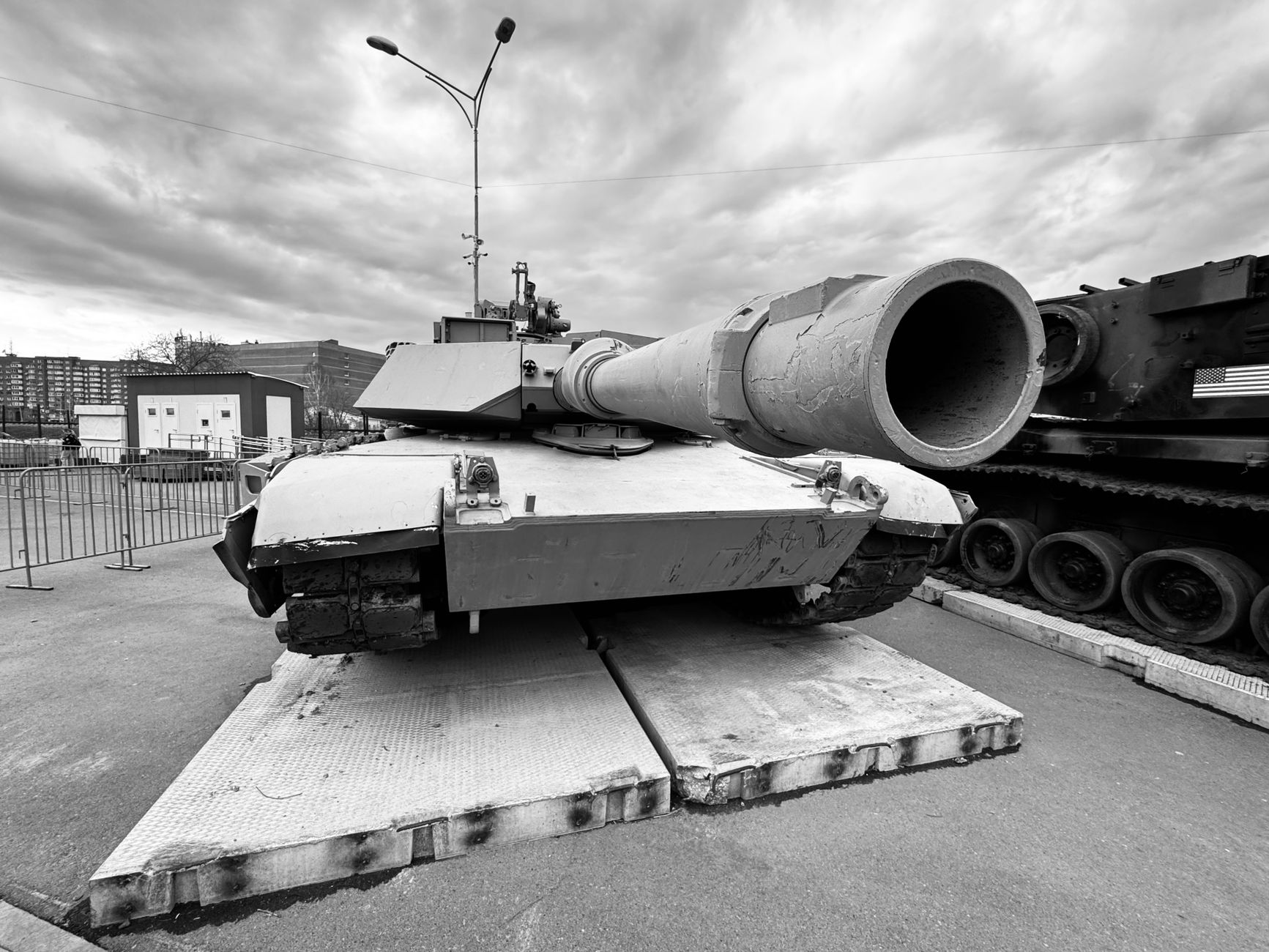
The MGCS was supposed to replace both Germany’s Leopard 2 and France’s Leclerc tanks sometime around 2040. It was launched with considerable fanfare back in 2017, held up as proof that Europe could build serious defence capability together. That optimism has steadily eroded.
Years of disagreement and delays
The problems weren’t exactly secret. Germany and France have clashed repeatedly over which companies should lead the project — Rheinmetall and KNDS Deutschland on the German side, KNDS France and Nexter on the French. Industrial politics kept getting in the way of actual engineering. By some estimates, the two sides have spent close to €100 million on feasibility studies and preliminary work with little concrete progress to show for it.
And that’s before getting into the deeper strategic disagreements. France has pushed for a more export-friendly design. Germany has prioritised NATO interoperability and raw firepower. Those aren’t small differences to paper over.
Germany’s Leopard upgrade as the alternative
Berlin has been quietly hedging its bets for a while now. Rheinmetall has been developing upgrades to the existing Leopard 2 platform — particularly the Leopard 2A8 variant — which Germany sees as a more realistic near-term solution. Several NATO allies have already expressed interest in the upgraded version, giving Rheinmetall commercial incentive to push ahead independently of any Franco-German deal.
So the question isn’t really whether Germany has a Plan B. It does. The question is whether Paris and Berlin can salvage enough political will to keep MGCS alive, or whether the project quietly dies the way so many European defence initiatives have before it.
What happens next
French officials have so far been more measured in their public statements, and neither government has formally announced the programme’s termination. But defence analysts in Brussels say the window for saving MGCS is closing fast. A decision on the programme’s future is expected before the end of 2025.
For Europe’s broader defence ambitions, the timing is uncomfortable. With the continent under pressure to rearm quickly following Russia’s war in Ukraine, watching two of its largest military powers fail to build a single tank together sends a message nobody particularly wants to send right now.